Home » Inked Science » The Art of Column Chromatography: Science in Motion

The Art of Column Chromatography: Science in Motion

Column chromatography is one of those sweet spots where chemistry turns into both art and strategy—a scientific puzzle that rewards patience, planning, and a dash of intuition. At its core, column chromatography is a separation technique born from the principle that molecules have personalities. Some like to stick; others prefer to drift along. The method harnesses those tendencies to isolate, purify, or study compounds—turning a chaotic mixture into order one drop at a time.

The Science Beneath the Layers

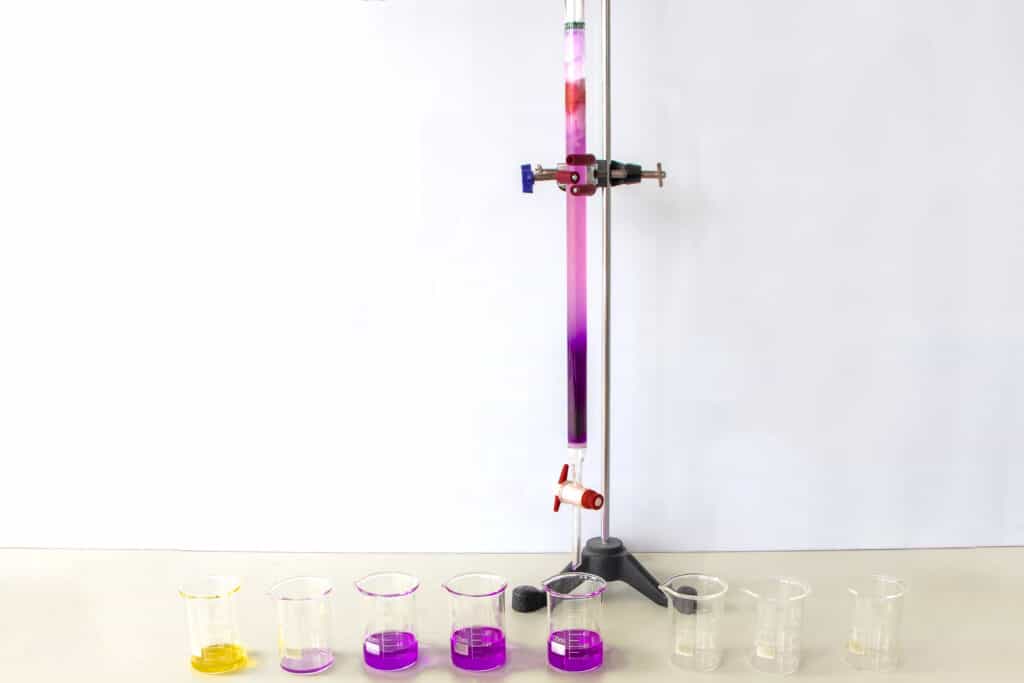
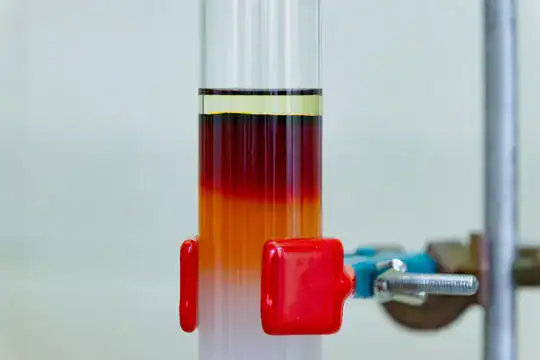
In column chromatography, the setup looks deceptively simple: a glass column, a solid stationary phase (like silica gel or alumina), and a liquid mobile phase (the solvent) flowing through it. But don’t let the simplicity fool you—precision here matters more than anywhere else in chemistry. As a mixture moves down the column, each compound interacts with the stationary phase at a different rate depending on polarity, charge, and molecular size. Those interactions dictate how fast or slow each molecule travels, leading to separation as distinct “bands” form and move through the column .​

Column chromatography


The guiding concept comes down to partitioning—the balance between the stationary and mobile phases. Highly polar compounds will cling to a polar stationary phase like silica gel, while less polar molecules will slide along more easily with the solvent. The art lies in picking the right stationary phase and solvent system. Get it wrong, and your compounds blend or stall altogether.

The Science of Partitioning: Why Balance Is Everything

At the heart of column chromatography is the phenomenon of partitioning, where each compound in a mixture distributes itself between two environments: the stationary phase (which stays put in the column) and the mobile phase (which flows through). This distribution isn’t random—it’s determined by how much a molecule “prefers” one phase over the other, a concept quantified by the partition coefficient .​

When the stationary phase is polar (such as silica gel or alumina), highly polar molecules in your sample will form stronger interactions—think of them as being “magnetically drawn” to the stationary phase. These molecules are retained longer, moving more slowly down the column. In contrast, less polar molecules have weaker attractions to the polar stationary phase. They spend more time dissolving in the mobile phase (often a less polar solvent), zipping along and eluting earlier .​

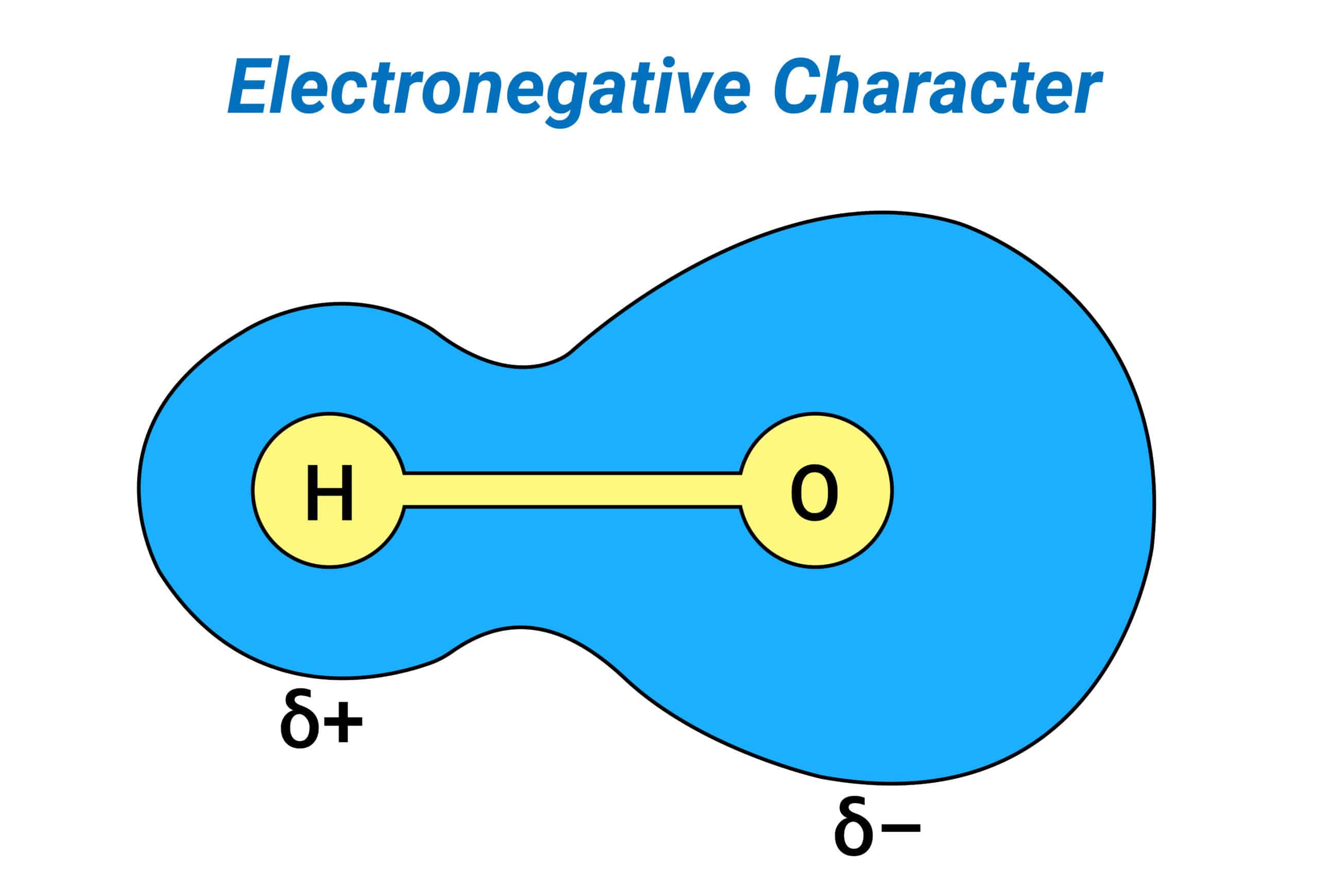
polar atoms are when the charges are unequal on the poles.
Electronegativity is a chemical property that describes the tendency of an atom or a functional group to attract electrons toward itself.

Choosing the right pairing of stationary and mobile phases is a bit like matchmaking. If the solvent is too similar to your compound, everything rushes through together with little separation. If the stationary phase is too attractive, nothing moves, and your compounds get stuck. The art—and science—lies in fine-tuning both the stationary phase and solvent strength to harness just the right degree of “clinginess” and “freedom.” Only with this balance can each molecule travel at its own pace, forming distinct, isolated bands or spots for pure separation .​

This careful control over partitioning lets chemists separate everything from food dyes and plant pigments to pharmaceuticals and proteins, making column chromatography indispensable in labs worldwide.

From History to Modern Application

Column chromatography’s roots reach back to the early 1900s, when Mikhail Tsvet used it to separate plant pigments. Mikhail Semyonovich Tsvet—a Russian-Italian botanist born in 1872—holds a special place in science as the inventor of chromatography. His curiosity about plant pigments led him, in 1901, to create the first chromatography column using a glass tube packed with adsorbent material (like calcium carbonate) to separate plant pigments such as chlorophyll and carotenoids. Tsvet’s meticulous approach allowed him to demonstrate that these pigments could be separated into distinct colored bands by passing plant extract solutions through the column, a groundbreaking achievement at the time when most believed plants contained only two main pigments .​

Tsvet introduced the term “chromatography,” blending the Greek words “chroma” (color) and “graphein” (to write), since his experiments visually “wrote” color bands in the column. Tsvet’s work was not fully recognized during his lifetime, partly due to publication barriers and initial skepticism among peers, but his method became foundational to modern analytical chemistry. Today, chromatography is indispensable in fields from bioanalysis and forensic science to environmental testing—all thanks to Tsvet’s colorful curiosity and scientific rigor .

His name is a pun! The clever, subtle pun comes from his surname—Tsvet literally means “color” in Russian—so the man who invented the method that “writes with color” also happened to be named Color. While this linguistic twist is fun for language lovers, it’s likely to be missed by those unfamiliar with Russian.​

Fast forward to today, and this method remains the backbone of molecular separation in pharmaceuticals, biochemistry, environmental testing, and even art restoration. Scientists use it to clean up synthesized compounds, purify proteins, or analyze bioactive molecules in plants. Its flexibility is unmatched—gravity-based for teaching labs and flash chromatography for fast-paced synthesis, even scaling up to industrial purification systems.​

Modern practitioners often pair it with thin-layer chromatography (TLC) as a preliminary test to fine-tune solvent systems. Before committing to a full column, TLC helps find that sweet spot in the solvent polarity range, ideally achieving an R_f value between 0.2 and 0.3 for key compounds .​

What’s Beautiful About the Process

There’s a meditative rhythm to running a good column. You learn to read the subtle cues—how quickly solvent moves, the spacing between colored bands, the clarity of eluate coming out. It’s chemistry that teaches patience, observation, and respect for the interplay of molecular forces. Students often describe the moment when different colors stream through as “science you can see”—and that’s a big part of its magic.

Even more exciting, column chromatography embodies sustainability lessons for modern labs. Microscale setups—like those using Pasteur pipets for flash chromatography—drastically reduce solvent use, minimize waste, and make the technique more eco-conscious without losing educational value .​

Beyond the Lab: Why It Matters

The reach of this technique extends beyond laboratory benches into real-world impact. In environmental science, chromatographic columns detect pollutants in soil and water. In healthcare, they ensure drug purity down to the smallest impurity. The cosmetics industry uses them to standardize natural extracts safely. Column chromatography remains indispensable because it allows researchers to truly see what’s in a mixture and refine it until only the wanted component remains.


21495 {21495:G2CN9PXY},{21495:JCQMN29E},{21495:5975Q7TM},{21495:VH6SDJ2M} 1 apa 50 default 12946 https://insanitek.net/wp-content/plugins/zotpress/
%7B%22status%22%3A%22success%22%2C%22updateneeded%22%3Afalse%2C%22instance%22%3Afalse%2C%22meta%22%3A%7B%22request_last%22%3A0%2C%22request_next%22%3A0%2C%22used_cache%22%3Atrue%7D%2C%22data%22%3A%5B%7B%22key%22%3A%22VH6SDJ2M%22%2C%22library%22%3A%7B%22id%22%3A21495%7D%2C%22meta%22%3A%7B%22creatorSummary%22%3A%22Robert%22%2C%22parsedDate%22%3A%222025-06-28%22%2C%22numChildren%22%3A2%7D%2C%22bib%22%3A%22%26lt%3Bdiv%20class%3D%26quot%3Bcsl-bib-body%26quot%3B%20style%3D%26quot%3Bline-height%3A%202%3B%20padding-left%3A%201em%3B%20text-indent%3A-1em%3B%26quot%3B%26gt%3B%5Cn%20%20%26lt%3Bdiv%20class%3D%26quot%3Bcsl-entry%26quot%3B%26gt%3BRobert%2C%20C.%20%282025%29.%20Advancements%20and%20Methodologies%20of%20Column%20Chromatography.%20%26lt%3Bi%26gt%3BJournal%20of%20Chromatography%20%26amp%3B%20Separation%20Techniques%26lt%3B%5C%2Fi%26gt%3B%2C%20%26lt%3Bi%26gt%3B16%26lt%3B%5C%2Fi%26gt%3B%282%29%2C%201%26%23x2013%3B1.%20%26lt%3Ba%20class%3D%26%23039%3Bzp-DOIURL%26%23039%3B%20href%3D%26%23039%3Bhttps%3A%5C%2F%5C%2Fdoi.org%5C%2F10.35248%5C%2F2157-7064.25.16.514%26%23039%3B%26gt%3Bhttps%3A%5C%2F%5C%2Fdoi.org%5C%2F10.35248%5C%2F2157-7064.25.16.514%26lt%3B%5C%2Fa%26gt%3B%26lt%3B%5C%2Fdiv%26gt%3B%5Cn%26lt%3B%5C%2Fdiv%26gt%3B%22%2C%22data%22%3A%7B%22itemType%22%3A%22journalArticle%22%2C%22title%22%3A%22Advancements%20and%20Methodologies%20of%20Column%20Chromatography%22%2C%22creators%22%3A%5B%7B%22creatorType%22%3A%22author%22%2C%22firstName%22%3A%22Cornelia%22%2C%22lastName%22%3A%22Robert%22%7D%5D%2C%22abstractNote%22%3A%22Longdom%20Publishing%20SL%20is%20one%20of%20the%20leading%20international%20open%20access%20journals%20publishers%2C%20covering%20clinical%2C%20medical%2C%20and%20technology-oriented%20subjects%22%2C%22date%22%3A%222025%5C%2F06%5C%2F28%22%2C%22section%22%3A%22%22%2C%22partNumber%22%3A%22%22%2C%22partTitle%22%3A%22%22%2C%22DOI%22%3A%2210.35248%5C%2F2157-7064.25.16.514%22%2C%22citationKey%22%3A%22%22%2C%22url%22%3A%22https%3A%5C%2F%5C%2Fwww.longdom.org%5C%2F%22%2C%22PMID%22%3A%22%22%2C%22PMCID%22%3A%22%22%2C%22ISSN%22%3A%222157-7064%22%2C%22language%22%3A%22en%22%2C%22collections%22%3A%5B%22XAWSHPGP%22%5D%2C%22dateModified%22%3A%222025-11-29T22%3A28%3A49Z%22%7D%7D%2C%7B%22key%22%3A%225975Q7TM%22%2C%22library%22%3A%7B%22id%22%3A21495%7D%2C%22meta%22%3A%7B%22numChildren%22%3A1%7D%2C%22bib%22%3A%22%26lt%3Bdiv%20class%3D%26quot%3Bcsl-bib-body%26quot%3B%20style%3D%26quot%3Bline-height%3A%202%3B%20padding-left%3A%201em%3B%20text-indent%3A-1em%3B%26quot%3B%26gt%3B%5Cn%20%20%26lt%3Bdiv%20class%3D%26quot%3Bcsl-entry%26quot%3B%26gt%3B%26lt%3Bi%26gt%3BIntroduction%20to%20Column%20Chromatography%20Methods%20and%20Instrumentation%20%7C%20Bio-Rad%26lt%3B%5C%2Fi%26gt%3B.%20%28n.d.%29.%20Retrieved%20November%2029%2C%202025%2C%20from%20%26lt%3Ba%20class%3D%26%23039%3Bzp-ItemURL%26%23039%3B%20href%3D%26%23039%3Bhttps%3A%5C%2F%5C%2Fwww.bio-rad.com%5C%2Fen-us%5C%2Fapplications-technologies%5C%2Fintroduction-column-chromatography-methods-instrumentation%3FID%3DMWHB7PIVK%26%23039%3B%26gt%3Bhttps%3A%5C%2F%5C%2Fwww.bio-rad.com%5C%2Fen-us%5C%2Fapplications-technologies%5C%2Fintroduction-column-chromatography-methods-instrumentation%3FID%3DMWHB7PIVK%26lt%3B%5C%2Fa%26gt%3B%26lt%3B%5C%2Fdiv%26gt%3B%5Cn%26lt%3B%5C%2Fdiv%26gt%3B%22%2C%22data%22%3A%7B%22itemType%22%3A%22webpage%22%2C%22title%22%3A%22Introduction%20to%20Column%20Chromatography%20Methods%20and%20Instrumentation%20%7C%20Bio-Rad%22%2C%22creators%22%3A%5B%5D%2C%22abstractNote%22%3A%22Column%20chromatography%20uses%20a%20resin%20packed%20into%20a%20column%20to%20separate%20components%20in%20a%20liquid%20mixture%20passed%20through%20the%20column%20by%20various%20physicochemical%20methods.%22%2C%22date%22%3A%22%22%2C%22DOI%22%3A%22%22%2C%22citationKey%22%3A%22%22%2C%22url%22%3A%22https%3A%5C%2F%5C%2Fwww.bio-rad.com%5C%2Fen-us%5C%2Fapplications-technologies%5C%2Fintroduction-column-chromatography-methods-instrumentation%3FID%3DMWHB7PIVK%22%2C%22language%22%3A%22en-us%22%2C%22collections%22%3A%5B%5D%2C%22dateModified%22%3A%222025-11-29T22%3A26%3A42Z%22%7D%7D%2C%7B%22key%22%3A%22JCQMN29E%22%2C%22library%22%3A%7B%22id%22%3A21495%7D%2C%22meta%22%3A%7B%22creatorSummary%22%3A%22VIVEK%20TUKARAM%20SHINDE%20et%20al.%22%2C%22parsedDate%22%3A%222023-05-05%22%2C%22numChildren%22%3A1%7D%2C%22bib%22%3A%22%26lt%3Bdiv%20class%3D%26quot%3Bcsl-bib-body%26quot%3B%20style%3D%26quot%3Bline-height%3A%202%3B%20padding-left%3A%201em%3B%20text-indent%3A-1em%3B%26quot%3B%26gt%3B%5Cn%20%20%26lt%3Bdiv%20class%3D%26quot%3Bcsl-entry%26quot%3B%26gt%3BVIVEK%20TUKARAM%20SHINDE%2C%20R.S.%20GARAD%2C%20SANTOSH%20JAIN%2C%20KAMBLE%20MANOJ%2C%20%26amp%3B%20BANSODE%20BADAL.%20%282023%29.%20Column%20Chromatography.%20%26lt%3Bi%26gt%3BInternational%20Journal%20of%20Creative%20Research%20Thoughts%26lt%3B%5C%2Fi%26gt%3B%2C%20%26lt%3Bi%26gt%3B11%26lt%3B%5C%2Fi%26gt%3B%285%29%2C%20591%26%23x2013%3B605.%20%26lt%3Ba%20class%3D%26%23039%3Bzp-ItemURL%26%23039%3B%20href%3D%26%23039%3Bhttps%3A%5C%2F%5C%2Fijcrt.org%5C%2Fpapers%5C%2FIJCRT23A5487.pdf%26%23039%3B%26gt%3Bhttps%3A%5C%2F%5C%2Fijcrt.org%5C%2Fpapers%5C%2FIJCRT23A5487.pdf%26lt%3B%5C%2Fa%26gt%3B%26lt%3B%5C%2Fdiv%26gt%3B%5Cn%26lt%3B%5C%2Fdiv%26gt%3B%22%2C%22data%22%3A%7B%22itemType%22%3A%22journalArticle%22%2C%22title%22%3A%22Column%20Chromatography%22%2C%22creators%22%3A%5B%7B%22creatorType%22%3A%22author%22%2C%22name%22%3A%22VIVEK%20TUKARAM%20SHINDE%22%7D%2C%7B%22creatorType%22%3A%22author%22%2C%22name%22%3A%22R.S.%20GARAD%22%7D%2C%7B%22creatorType%22%3A%22author%22%2C%22name%22%3A%22SANTOSH%20JAIN%22%7D%2C%7B%22creatorType%22%3A%22author%22%2C%22name%22%3A%22KAMBLE%20MANOJ%22%7D%2C%7B%22creatorType%22%3A%22author%22%2C%22name%22%3A%22BANSODE%20BADAL%22%7D%5D%2C%22abstractNote%22%3A%22%22%2C%22date%22%3A%222023-05-05%22%2C%22section%22%3A%22%22%2C%22partNumber%22%3A%22%22%2C%22partTitle%22%3A%22%22%2C%22DOI%22%3A%22%22%2C%22citationKey%22%3A%22%22%2C%22url%22%3A%22https%3A%5C%2F%5C%2Fijcrt.org%5C%2Fpapers%5C%2FIJCRT23A5487.pdf%22%2C%22PMID%22%3A%22%22%2C%22PMCID%22%3A%22%22%2C%22ISSN%22%3A%222320-2882%22%2C%22language%22%3A%22English%22%2C%22collections%22%3A%5B%22XAWSHPGP%22%5D%2C%22dateModified%22%3A%222025-11-29T22%3A25%3A20Z%22%7D%7D%2C%7B%22key%22%3A%22G2CN9PXY%22%2C%22library%22%3A%7B%22id%22%3A21495%7D%2C%22meta%22%3A%7B%22creatorSummary%22%3A%22Coskun%22%2C%22parsedDate%22%3A%222016%22%2C%22numChildren%22%3A1%7D%2C%22bib%22%3A%22%26lt%3Bdiv%20class%3D%26quot%3Bcsl-bib-body%26quot%3B%20style%3D%26quot%3Bline-height%3A%202%3B%20padding-left%3A%201em%3B%20text-indent%3A-1em%3B%26quot%3B%26gt%3B%5Cn%20%20%26lt%3Bdiv%20class%3D%26quot%3Bcsl-entry%26quot%3B%26gt%3BCoskun%2C%20O.%20%282016%29.%20Separation%20techniques%3A%20Chromatography.%20%26lt%3Bi%26gt%3BNorthern%20Clinics%20of%20Istanbul%26lt%3B%5C%2Fi%26gt%3B%2C%20%26lt%3Bi%26gt%3B3%26lt%3B%5C%2Fi%26gt%3B%282%29%2C%20156%26%23x2013%3B160.%20%26lt%3Ba%20class%3D%26%23039%3Bzp-DOIURL%26%23039%3B%20href%3D%26%23039%3Bhttps%3A%5C%2F%5C%2Fdoi.org%5C%2F10.14744%5C%2Fnci.2016.32757%26%23039%3B%26gt%3Bhttps%3A%5C%2F%5C%2Fdoi.org%5C%2F10.14744%5C%2Fnci.2016.32757%26lt%3B%5C%2Fa%26gt%3B%26lt%3B%5C%2Fdiv%26gt%3B%5Cn%26lt%3B%5C%2Fdiv%26gt%3B%22%2C%22data%22%3A%7B%22itemType%22%3A%22journalArticle%22%2C%22title%22%3A%22Separation%20techniques%3A%20Chromatography%22%2C%22creators%22%3A%5B%7B%22creatorType%22%3A%22author%22%2C%22firstName%22%3A%22Ozlem%22%2C%22lastName%22%3A%22Coskun%22%7D%5D%2C%22abstractNote%22%3A%22Chromatography%20is%20an%20important%20biophysical%20technique%20that%20enables%20the%20separation%2C%20identification%2C%20and%20purification%20of%20the%20components%20of%20a%20mixture%20for%20qualitative%20and%20quantitative%20analysis.%20Proteins%20can%20be%20purified%20based%20on%20characteristics%20such%20as%20size%20and%20shape%2C%20total%20charge%2C%20hydrophobic%20groups%20present%20on%20the%20surface%2C%20and%20binding%20capacity%20with%20the%20stationary%20phase.%20Four%20separation%20techniques%20based%20on%20molecular%20characteristics%20and%20interaction%20type%20use%20mechanisms%20of%20ion%20exchange%2C%20surface%20adsorption%2C%20partition%2C%20and%20size%20exclusion.%20Other%20chromatography%20techniques%20are%20based%20on%20the%20stationary%20bed%2C%20including%20column%2C%20thin%20layer%2C%20and%20paper%20chromatography.%20Column%20chromatography%20is%20one%20of%20the%20most%20common%20methods%20of%20protein%20purification.%22%2C%22date%22%3A%222016%22%2C%22section%22%3A%22%22%2C%22partNumber%22%3A%22%22%2C%22partTitle%22%3A%22%22%2C%22DOI%22%3A%2210.14744%5C%2Fnci.2016.32757%22%2C%22citationKey%22%3A%22%22%2C%22url%22%3A%22%22%2C%22PMID%22%3A%22%22%2C%22PMCID%22%3A%22%22%2C%22ISSN%22%3A%222536-4553%22%2C%22language%22%3A%22eng%22%2C%22collections%22%3A%5B%22XAWSHPGP%22%5D%2C%22dateModified%22%3A%222025-11-29T22%3A17%3A43Z%22%7D%7D%5D%7D
Robert, C. (2025). Advancements and Methodologies of Column Chromatography. Journal of Chromatography & Separation Techniques, 16(2), 1–1. https://doi.org/10.35248/2157-7064.25.16.514
Introduction to Column Chromatography Methods and Instrumentation | Bio-Rad. (n.d.). Retrieved November 29, 2025, from https://www.bio-rad.com/en-us/applications-technologies/introduction-column-chromatography-methods-instrumentation?ID=MWHB7PIVK
VIVEK TUKARAM SHINDE, R.S. GARAD, SANTOSH JAIN, KAMBLE MANOJ, & BANSODE BADAL. (2023). Column Chromatography. International Journal of Creative Research Thoughts, 11(5), 591–605. https://ijcrt.org/papers/IJCRT23A5487.pdf
Coskun, O. (2016). Separation techniques: Chromatography. Northern Clinics of Istanbul, 3(2), 156–160. https://doi.org/10.14744/nci.2016.32757

Leave a Reply

Your email address will not be published. Required fields are marked *