Home » Inked Science

Lithium in Drinking Water: What the Data Actually Says

You fill water bottles, cook pasta, make coffee, and trust that the tap is doing its ordinary job. Then a post suggests that something is being added to the water supply to affect how people think. Even after the post is gone, it can leave behind a hard question: Do I need to worry? And …

Keep going...

When Gas Has Nowhere to Go: Why Pressure Builds in Closed Containers

Gas pressure is often introduced through familiar objects—a balloon, a tire, a carbonated beverage, or a sealed container—but its behavior is governed by a consistent physical principle: gas particles in continuous motion transfer momentum when they collide with a boundary. When a gas is trapped, those particles cannot disperse freely into the surrounding environment. Changes …

Keep going...

Landscape photo of foggy pine-covered hills at sunrise with text that reads, “Mistake-free climate starts with patterns, not single storms. Help your students see how temperature and precipitation shape biomes—and finally make sense of climate vs. weather.”

The Science of Biomes: Helping Students Understand Climate vs. Weather

Everyone already teaches the water cycle. Most textbooks and museum exhibits stop neatly at evaporation–condensation–precipitation—a tidy loop that explains where rain comes from, but not why some places stay dry while others are drenched year‑round. At Insanitek, we like to go one step further. The same ideas that drive the water cycle—energy from the Sun, changing temperatures, and …

Keep going...

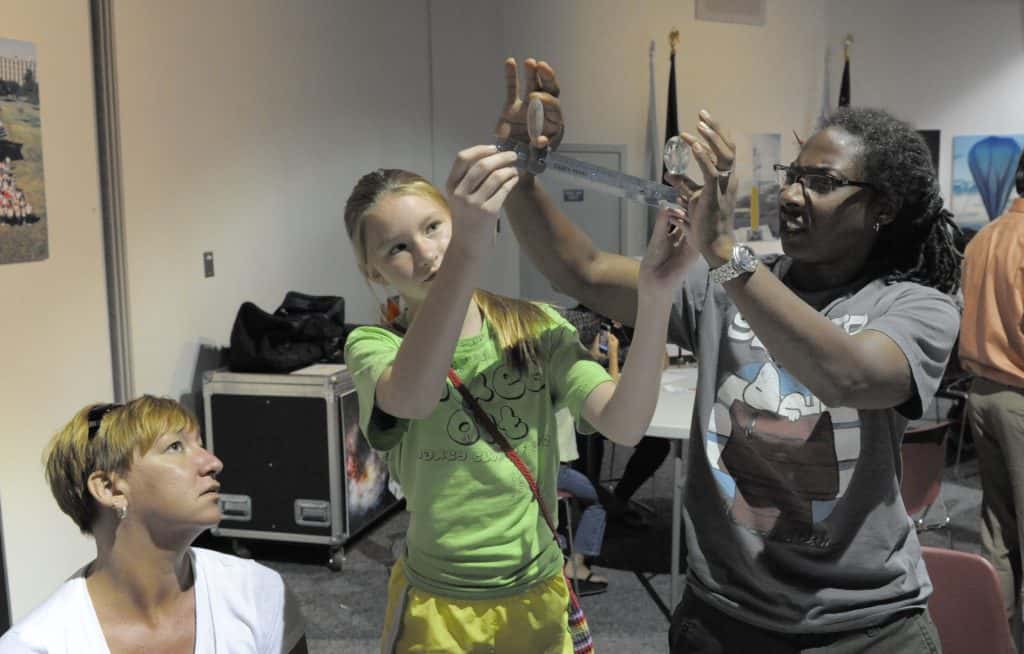
Mentor and student doing a hands-on science experiment with a ruler and lenses in a casual workshop setting.

Why Hands‑On Science Matters More Than Perfect Labs

In the mass‑acceleration lab at Purdue, we had a pyramid made of duct tape rolls—nine to a level, stacked into a 3×3‑foot base. Halfway up was a note that read, “Order more duct tape.” We grinned like lunatics every time we saw it. It wasn’t art—it was infrastructure. That tape kept the mass accelerator patched, …

Keep going...

Person scooping soil into a sample bag, with the words “Is Your Soil Really Safe?” overlaid on the image.

Independent Environmental Testing for Small Farms and Homesteads: Affordable Soil and Water Testing

Independent environmental testing gives small farms, homesteads, and community gardens a reality check on soil and water quality so you can grow food safely, use inputs wisely, and catch problems before they become crises. It works alongside extension offices and big labs by adding a neutral, client‑focused partner who can ask “but what does this …

Keep going...

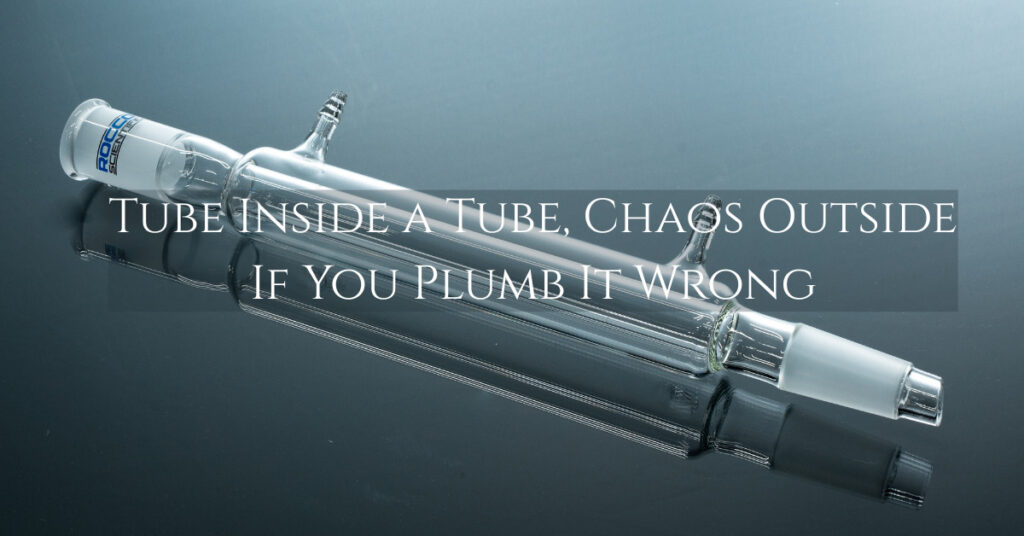
Liebig condenser in a laboratory setup showing inner tube and outer water jacket, with hoses attached for coolant flow during distillation and reflux.

How a Liebig Condenser Really Works (So You Don’t Flood the Lab)

Editor’s note: Most of the foundational work on condensers and on Justus von Liebig’s teaching laboratory was published in German, where Liebig lived and worked as a chemist and professor. Many of those primary sources have never been translated or made easily searchable online, so what you see below leans on peer‑reviewed articles, museum archives, and …

Keep going...

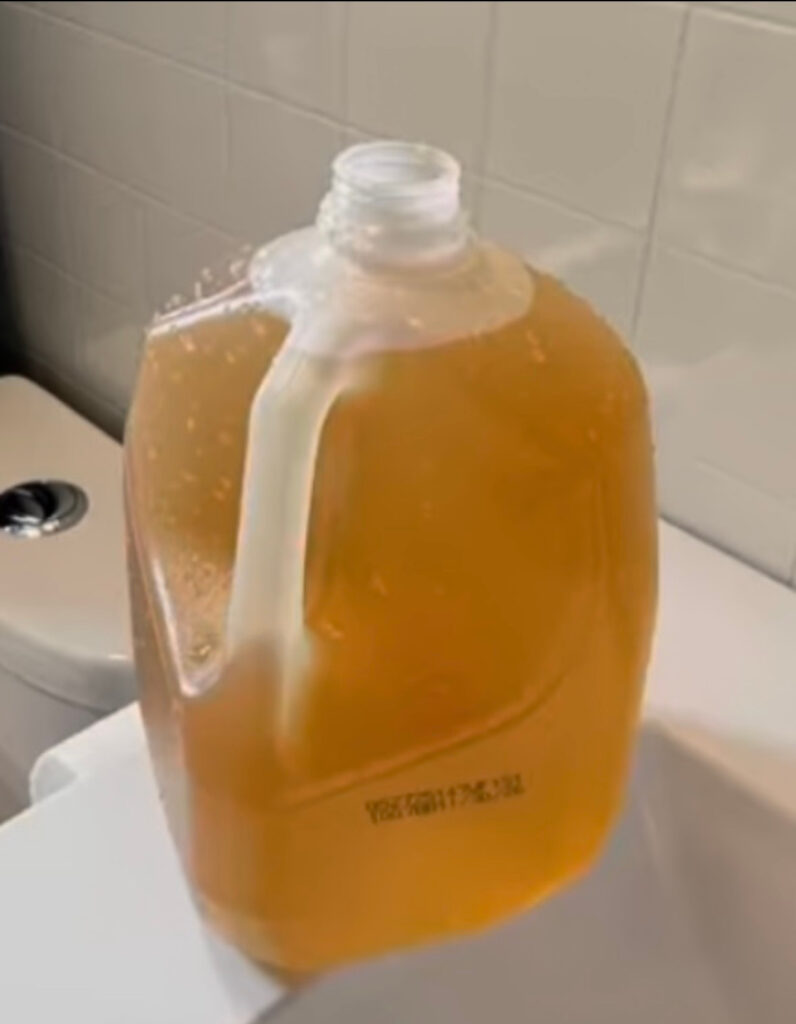
Yellow Water in Lapel: How a Small Lab Can Support a Community Already Fighting

In Lapel, Indiana, people are turning on their taps and seeing bright yellow water flow into their sinks, tubs, and baby bottles. Residents describe it as “fluorescent” and “the color of sweet tea,” and photos circulating online and in local coverage are hard to look at if you imagine bathing your kids in it.​ Brianna …

Keep going...