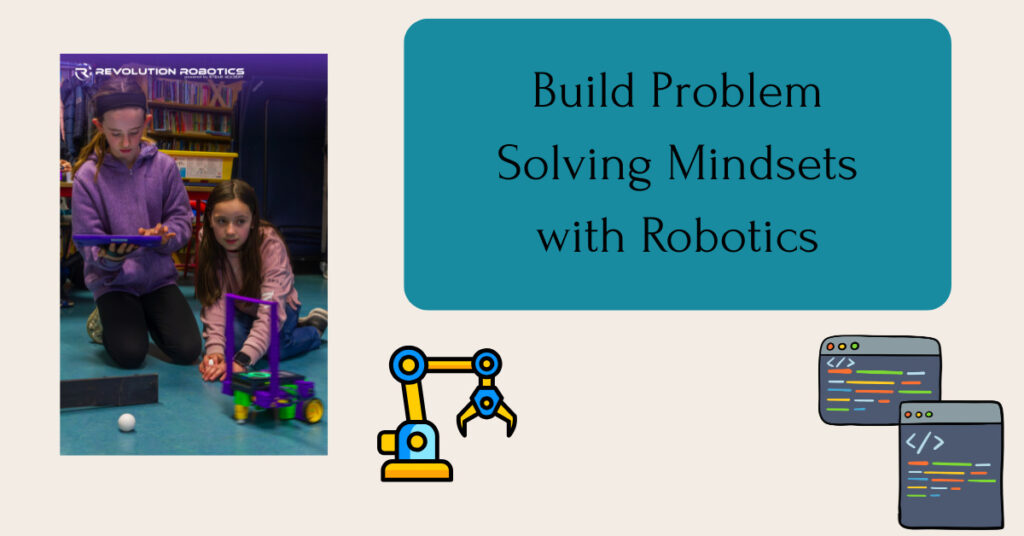
How robotics teaches problem solving and engineering comes down to how you structure the work: real problems, real constraints, and time to iterate, not just “drive the robot around.”
Why Robotics Is More Than “Playing With Robots”
When kids and teens build and program a robot to do a specific job, they have to break a messy problem into smaller pieces, test ideas, and fix what breaks along the way. Research on engineering habits of mind highlights systems thinking, creative problem solving, and improving designs over time as core ways engineers think .
In your 90‑minute STEAM Academy PRO library sessions, that mindset shows up in short, focused build‑and‑code challenges instead of open‑ended toy time. Each meeting becomes a mini design lab where kids try, fail safely, and improve.
Case Study: 90‑Minute Library Robotics Labs
STEAM Academy PRO designs mentor‑led robotics classes that run 60–90 minutes with small groups (often around 10–14 learners), which is ideal for deep, hands‑on work in a public setting. The story‑driven format (comic‑style characters and missions) gives each robot challenge a narrative hook, so kids experience the session as an adventure with constraints, not a worksheet.
In a library context, this means a one‑off or short series program can still feel like a coherent project: “Help the rover cross the canyon,” “Deliver supplies without crashing,” or “Rescue the stranded probe.” Those missions map neatly onto real‑world engineering challenges like navigating terrain, managing limited power, or using sensors for feedback.
Teaching Systems Thinking With Robots
Systems thinking is about seeing how parts connect: sensors, motors, code, and environment all interact. When a student’s robot veers off course, they learn quickly that it may not be “just the code”—wheel friction, battery level, surface texture, and turn timing all matter.
In a 90‑minute class, you can deliberately structure time for learners to map the system: list robot parts, identify inputs (sensor readings, commands), and outputs (movement, lights, sounds). Asking them to predict what will happen if they change just one element (“What if we move the sensor higher?”) nudges them into true systems‑level reasoning instead of random tinkering.
Debugging: Turning Failure Into Data
Robotics is a natural debugging playground: something almost always fails the first time. Kids see immediate feedback—wheels spin but nothing moves, the robot overshoots the line, or the sensor never triggers—and have to trace the issue logically.
You can make debugging an explicit habit by building cycles into the class flow: plan, build, test, identify what went wrong, adjust, and test again. Short reflective prompts (“What changed?”, “What did you try first?”) help students treat errors as information, which supports resilience and more sophisticated problem‑solving .
Iterative Design and Engineering Habits of Mind
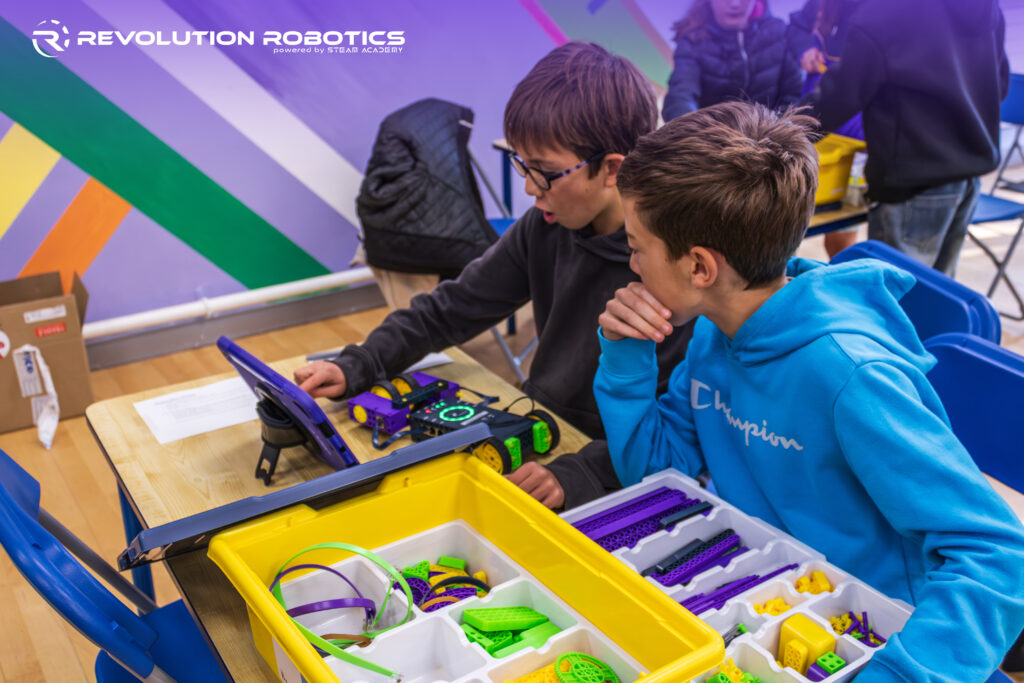
Studies on engineering education call out recurring “engineering habits of mind,” including systems thinking, adapting designs, problem‑finding, creative problem solving, visualising, and improving. Robotics projects are a concrete way to practice these: learners imagine a solution, build a prototype, test, and then refine .
In your STEAM Academy PRO partnership, each library session can spotlight one habit explicitly: one week might focus on improving reliability (run a challenge three times and make it more consistent), another on adapting to new constraints (add a time limit or change the course mid‑class). Over time, students internalize that “done” is rarely the first draft; engineers expect to iterate.
Why Libraries Are Ideal Robotics Hubs
Public and school libraries are increasingly using robotics kits to give patrons hands‑on STEAM experiences without requiring families to buy expensive equipment. The neutral, low‑stakes setting lowers anxiety, making it easier for kids and teens to experiment and fail publicly without grade pressure.
Because library programs often run in short, recurring blocks, a 90‑minute robotics session fits well as a “micro‑apprenticeship” in engineering thinking. With a mentor‑led, narrative‑rich format like STEAM Academy PRO’s, even newcomers can jump into a mission, learn basic mechanics and coding, and walk away having experienced a full design‑test‑improve cycle.
Practical Ways To Use Robotics To Teach Engineering Thinking
For librarians, educators, or club leaders who want to go beyond fun and make the engineering habits explicit, you can:
- Start each session with a real‑world framing (“Engineers use robots like this to inspect bridges or explore Mars.”).
- Build in at least two test‑and‑fix cycles, even in a single 90‑minute class, so kids feel iteration, not just completion.
- Ask students to explain their design choices and what they changed after each test; talking it out reinforces systems thinking and reflection.
At Insanitek, we’re piloting a small, focused robotics track right at the library itself, with just two “junior engineers in training.” If your learner is ready for deeper, real‑world projects and close mentorship during these robotics sessions, the registration is here:
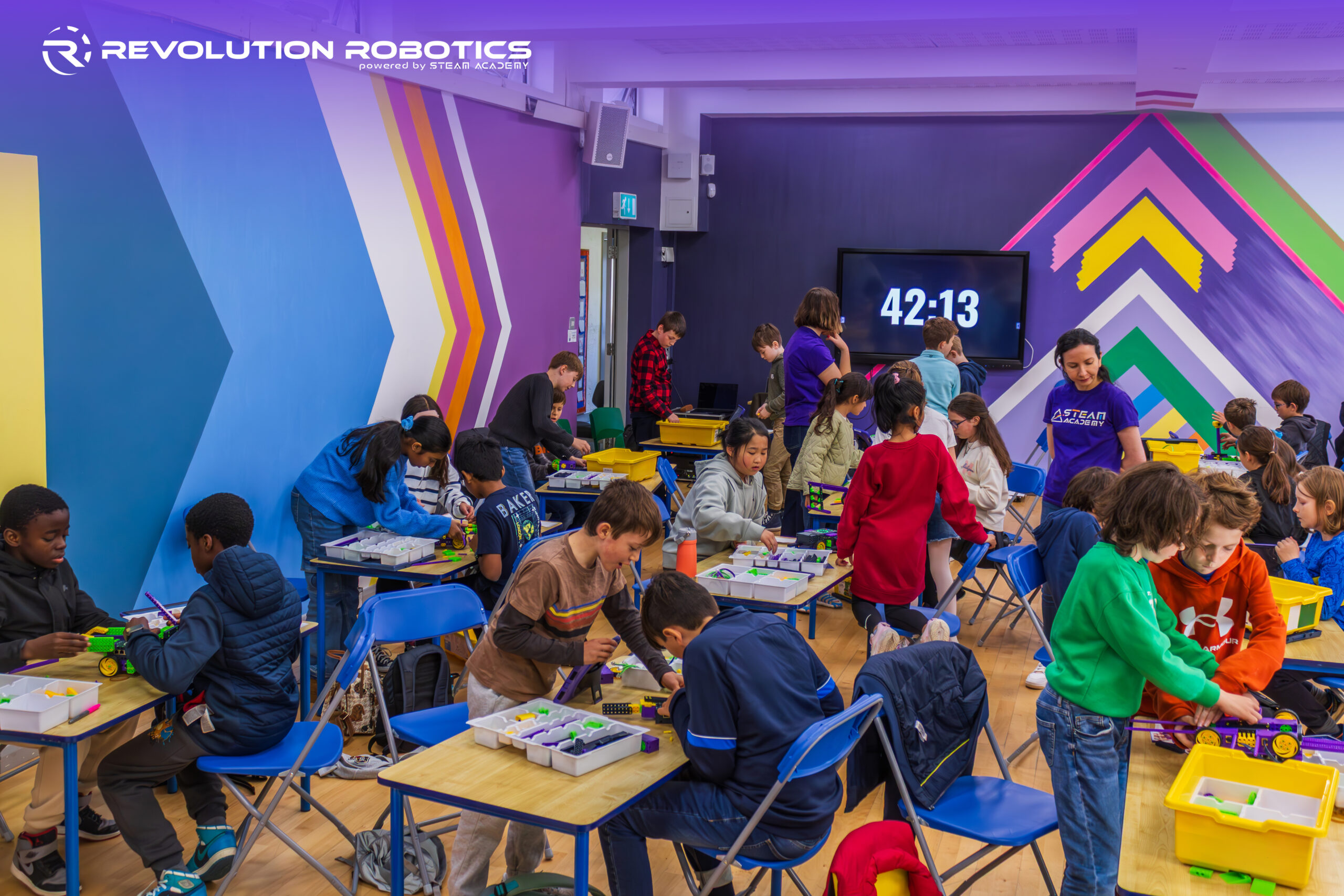
Revolution Robotics Class 26.March
$ 40.00
In Person Class
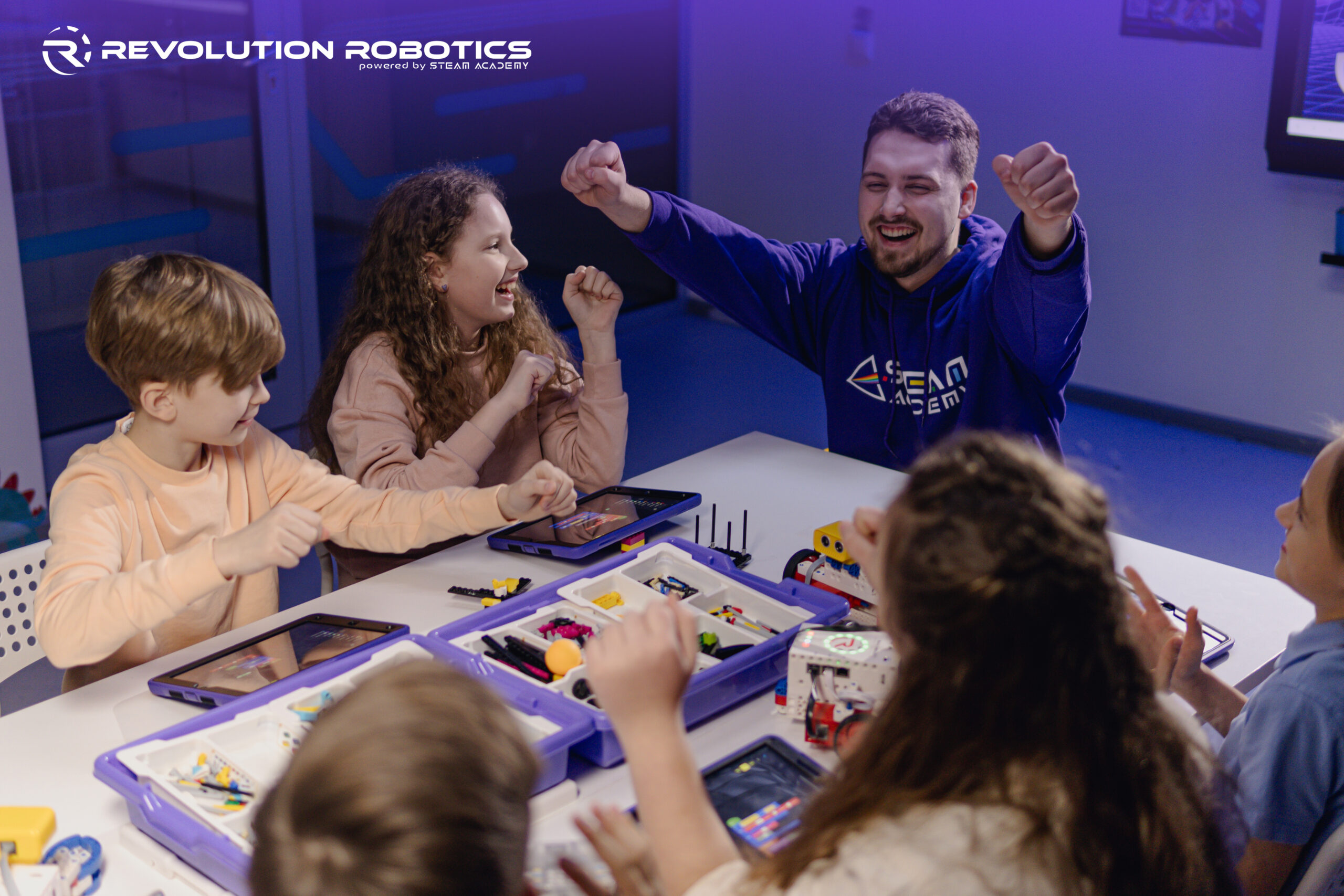
Empower your child’s inner inventor with Revolution Robotics — a superhero-themed adventure where kids learn real robotics, coding, and problem-solving through play! Designed for 3rd–5th graders, this 90-minute hands-on class blends LEGO-style building with app-based coding for a fun, confidence-building STEM experience.
Remember, this class is held at the Indianapolis Library, Glendale Branch, where we have reserved a room. If you are interested in this class, but different location, it must be discussed before purchase to include travel expenses if needed.
Description
About the In Person Class
Step into the world of Revolution Robotics, a story-driven STEM experience where your child becomes the hero of their own tech adventure! Created by STEAM Academy Pro, this engaging program introduces robotics and coding through imaginative storytelling and hands-on building.
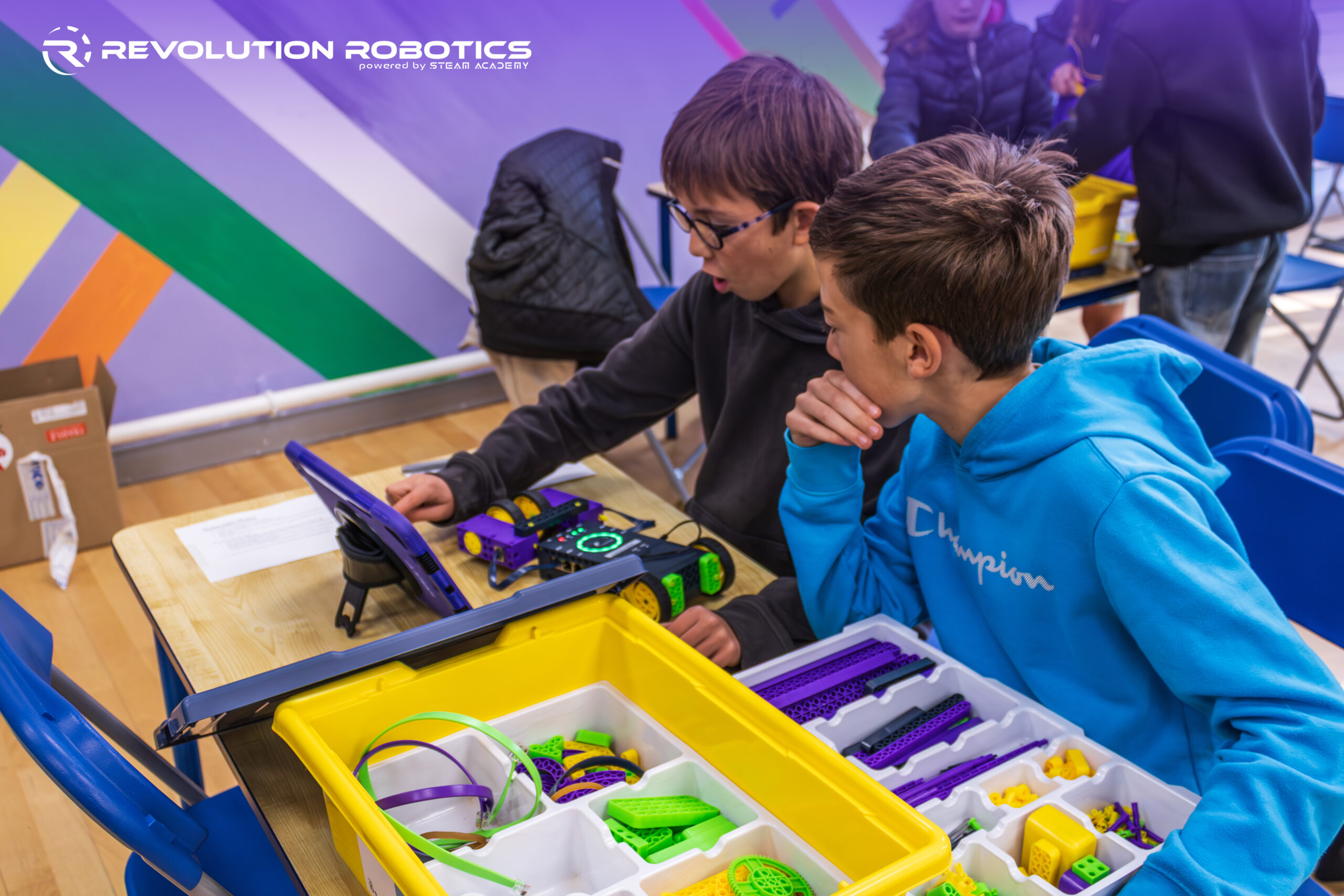
Perfect for kids in grades 3–5, each session challenges students to design, build, and program a robot using snap-together robotics parts and a kid-friendly app on the iPad. Through creative missions and superhero challenges, students learn engineering principles, teamwork, and critical thinking — all while having a blast.
What Your Child Will Do
- Follow an interactive, superhero-themed story that turns STEM lessons into fun missions.
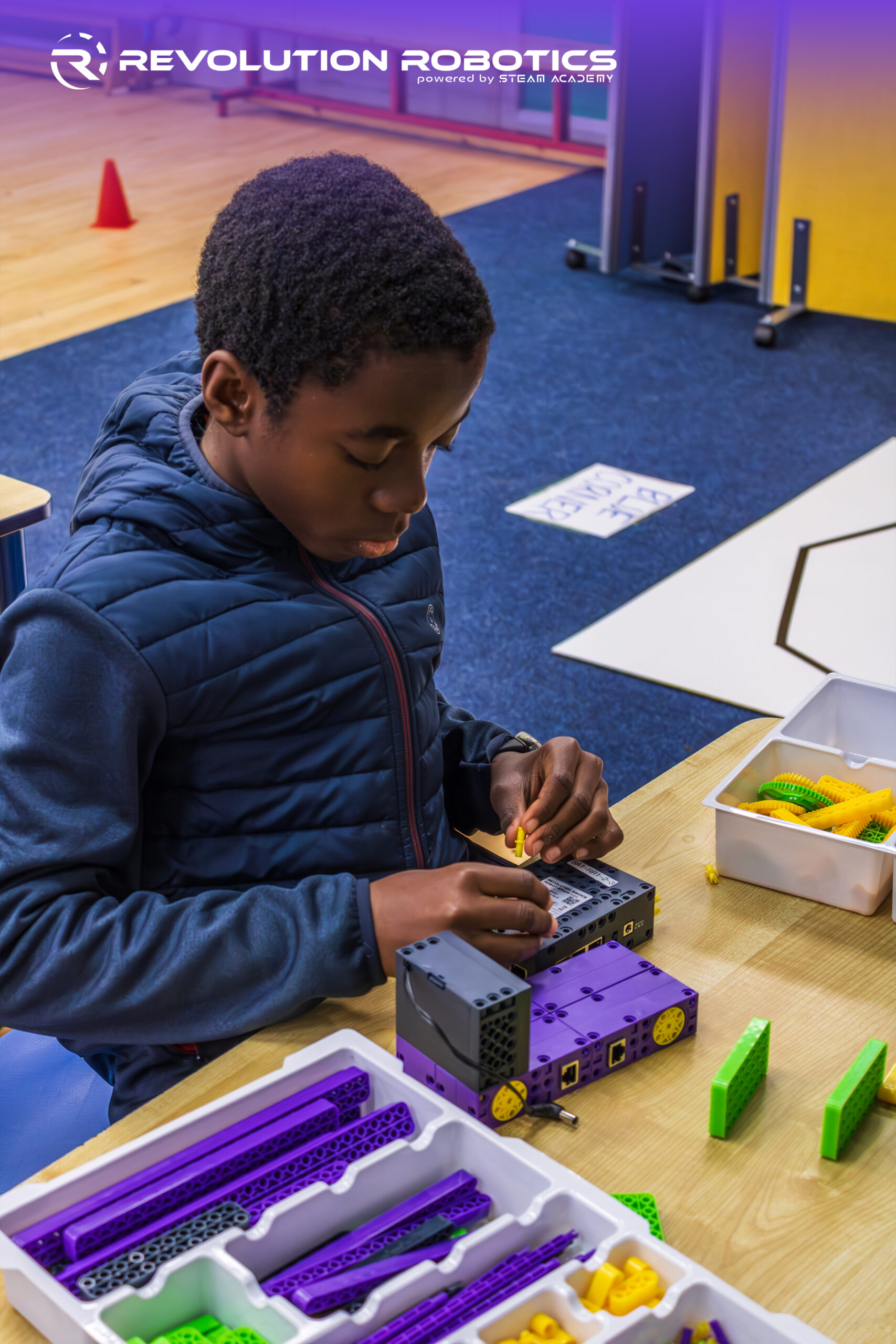
- Build and customize LEGO-style robots using real-world robotics components.
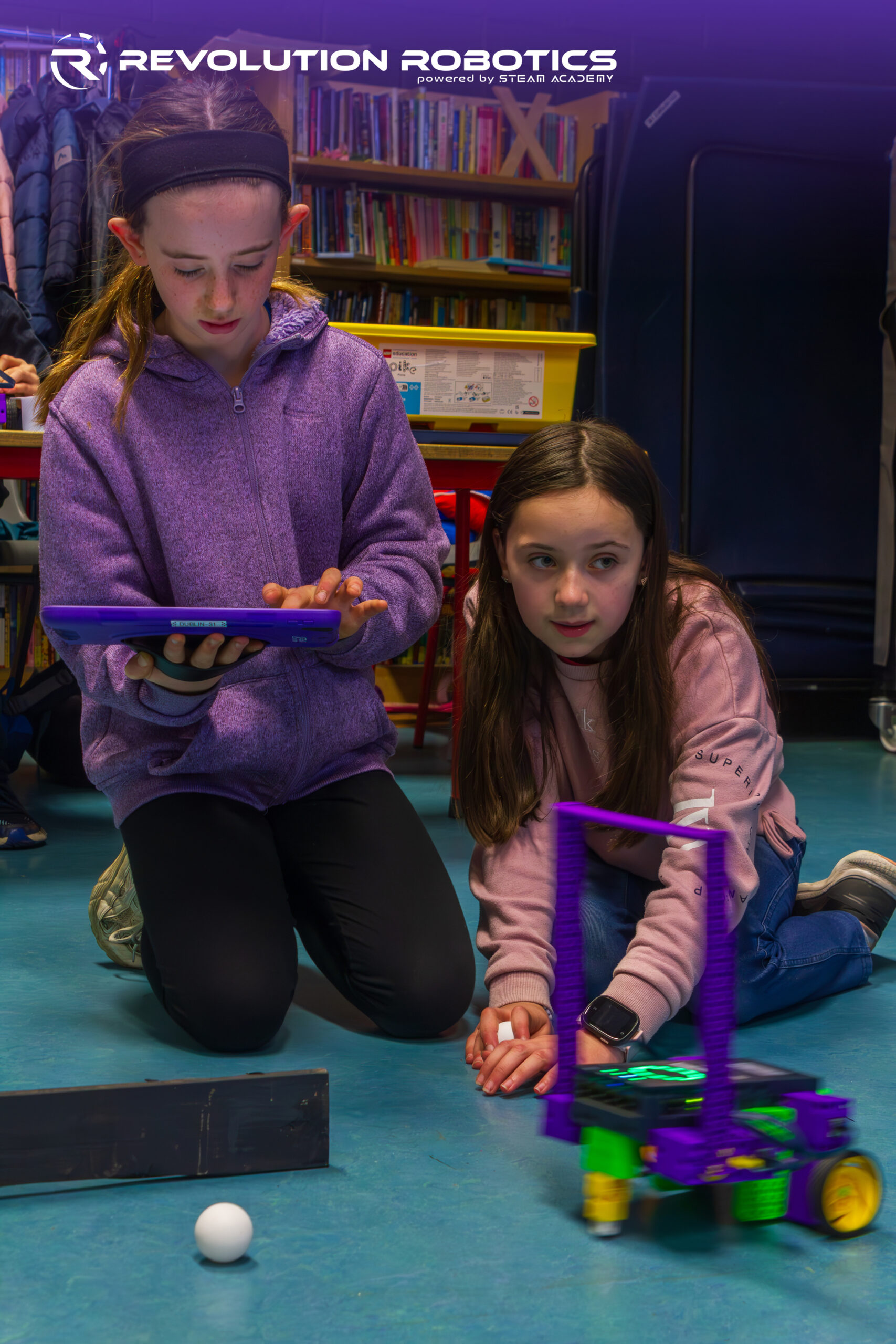
- Learn to write code through an easy, visual app made for young learners.
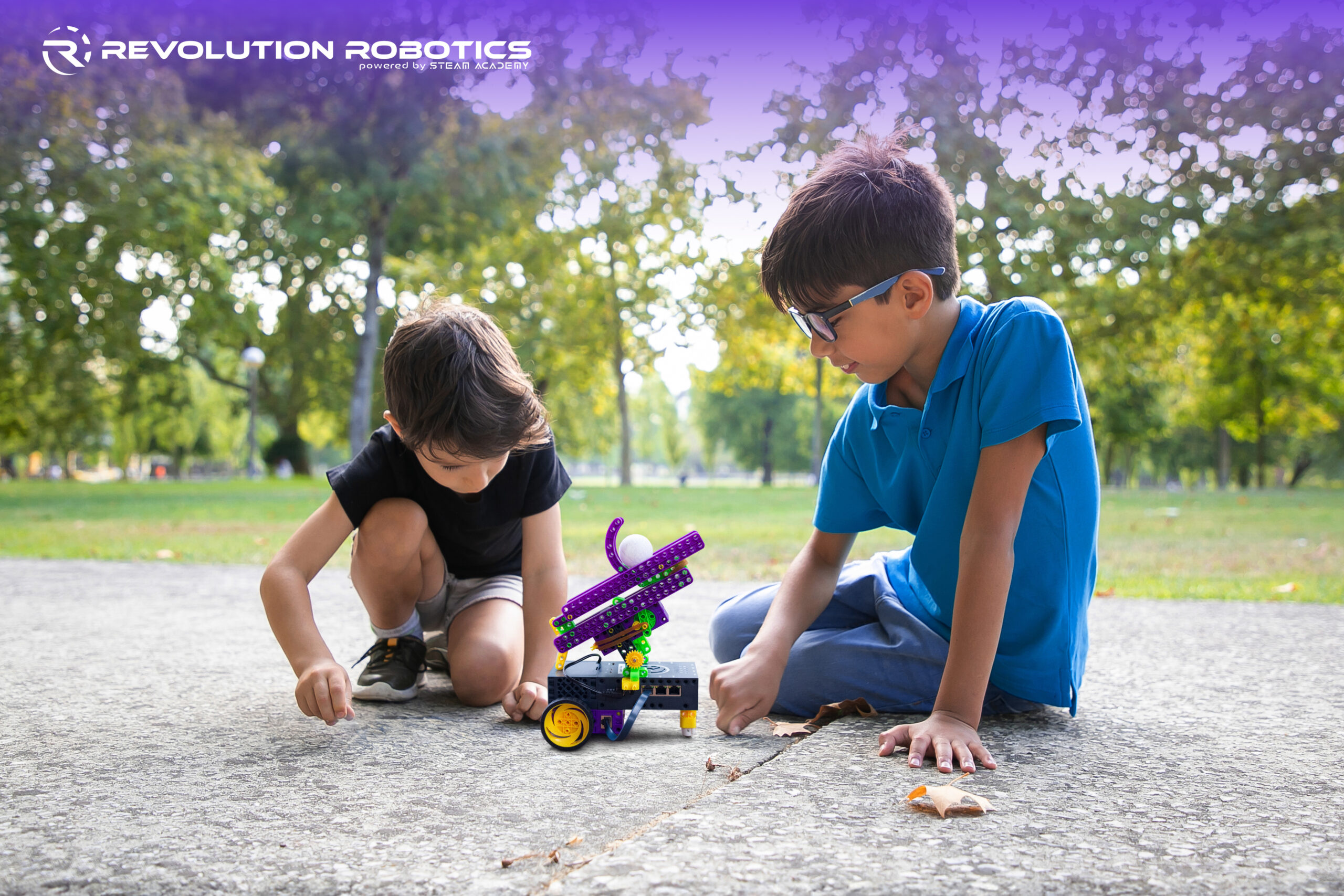
- Work in teams to solve creative challenges that build problem-solving and collaboration skills.
- Take home photos of their robots, newfound confidence, and hands-on STEM know-how!
Class Details
- Age Range: 8–11 years (Grades 3–5)
- Duration: 90 minutes
- Cost: $40 per session
- Location: Indianapolis Public Library, Glendale Branch
- Time: 3pm to 5pm
- Note: Students do not take the robots home, but they keep all digital progress and can save photos of their work.
Why Parents Love It
Parents rave about the Revolution Robotics class because it combines fun storytelling with meaningful STEM education. Kids don’t just play — they create, problem-solve, and think like engineers. It’s the perfect way to nurture curiosity, confidence, and teamwork in a supportive, imaginative environment.
Only logged in customers who have purchased this product may leave a review.



Reviews
There are no reviews yet.