

Description
Turn familiar pushes, pulls, and moving parts into meaningful science learning.
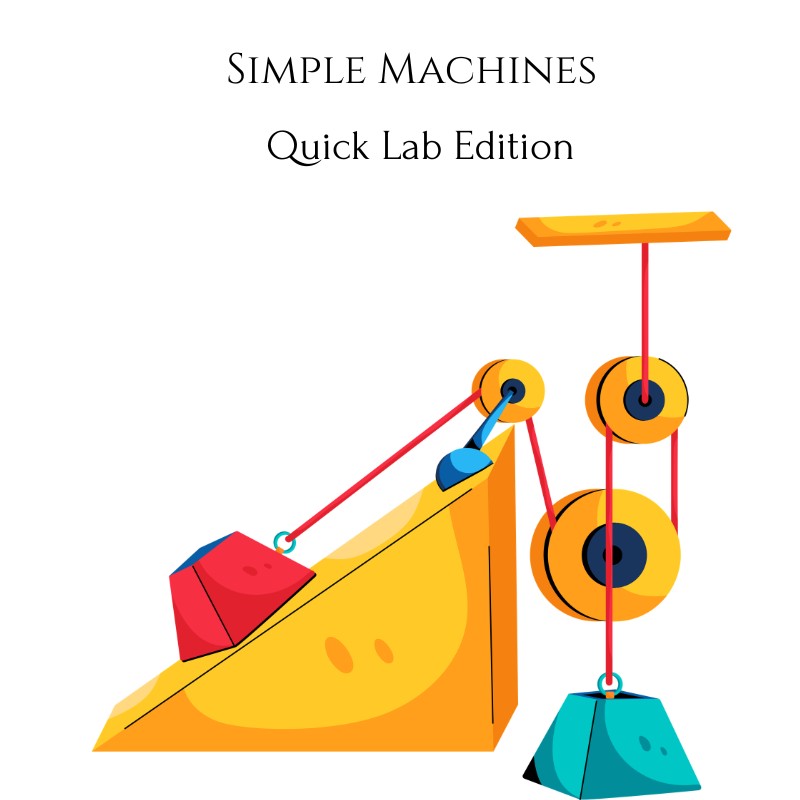
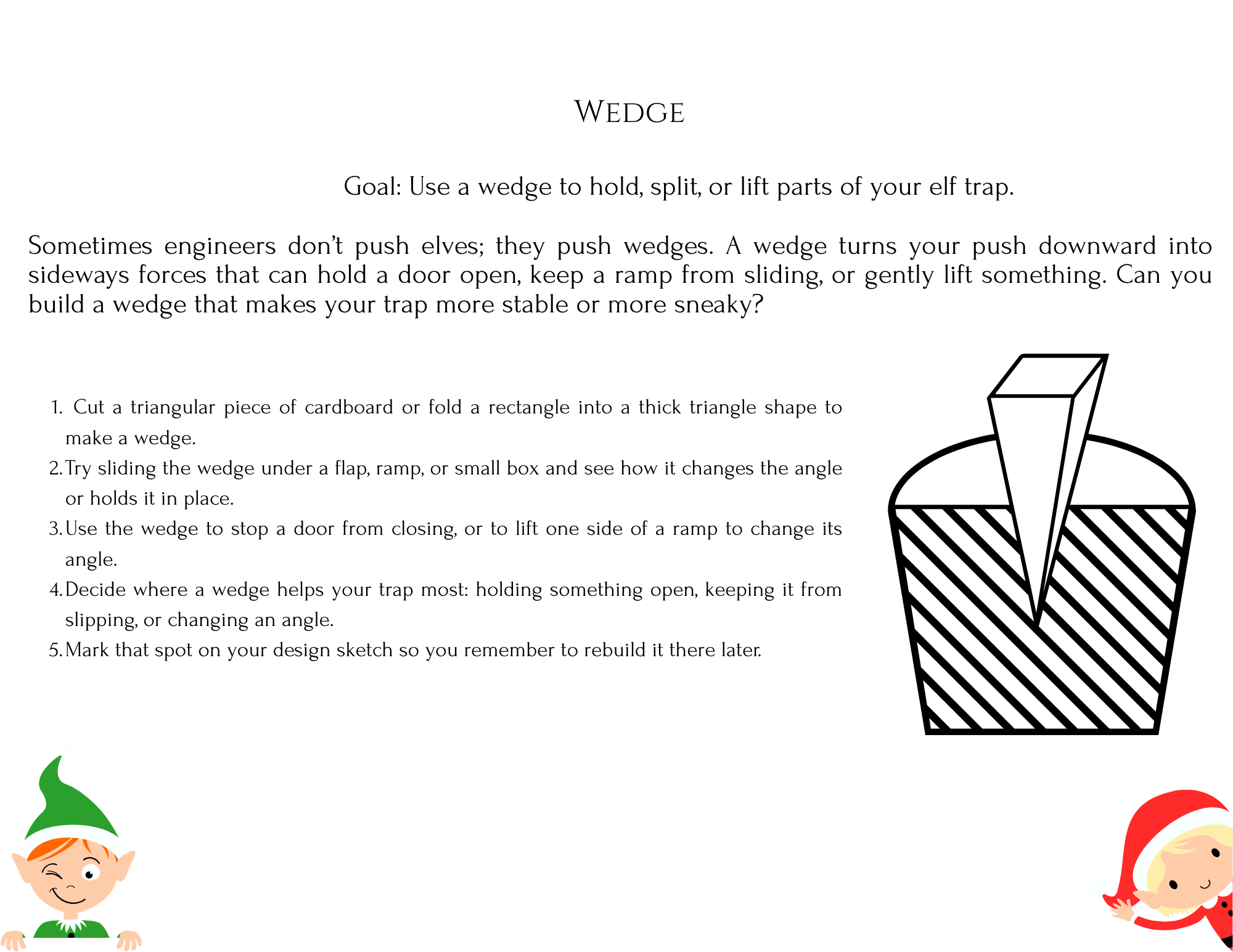
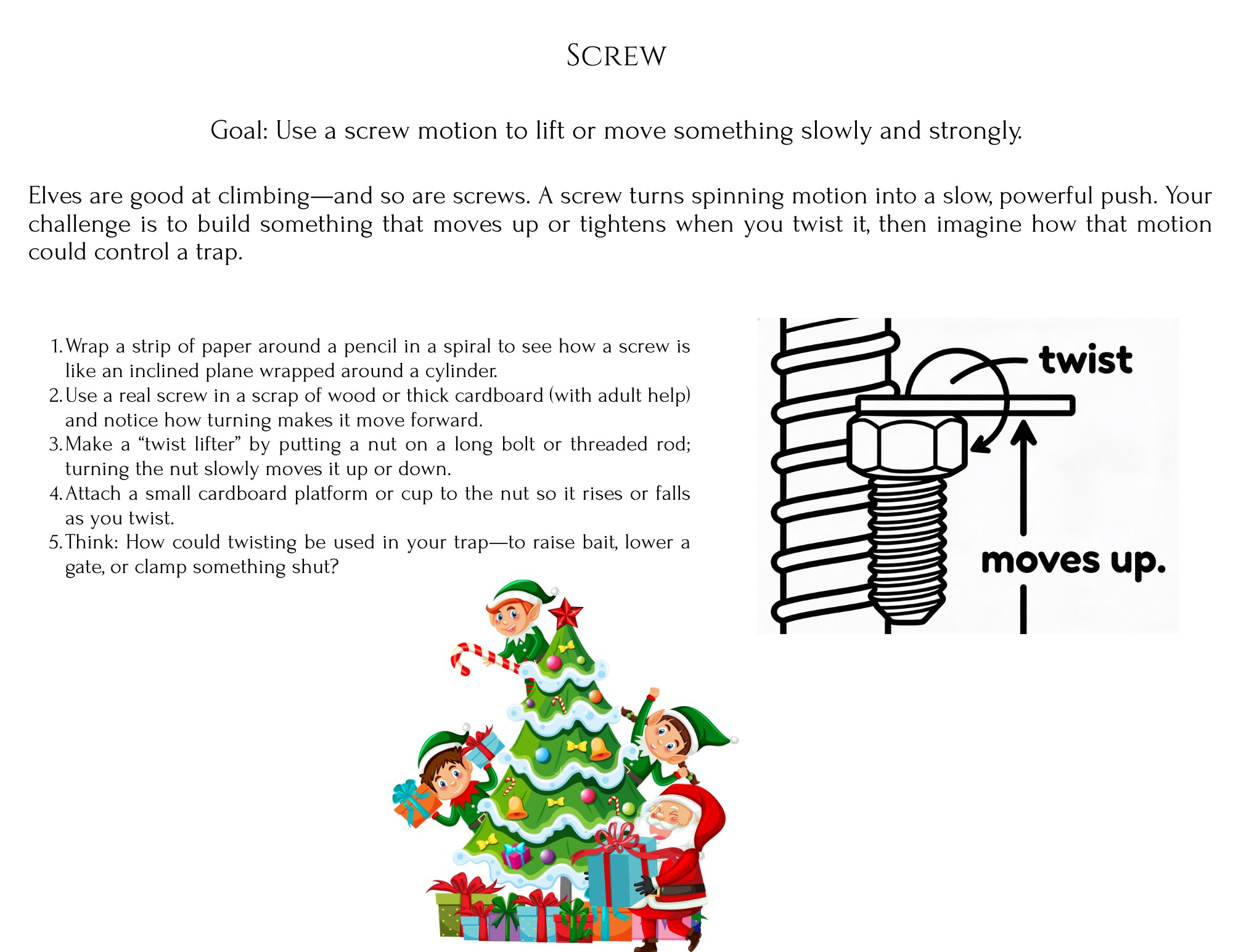
This hands-on mini unit helps learners move beyond recognizing simple machines to understanding how they work. Students explore levers, inclined planes, and pulleys, then apply their discoveries to build a device with two functional simple machines and one clear final action.
The core lesson is theme-neutral, so it can accompany different seasonal story cards without changing the science or activity structure.
What’s Included
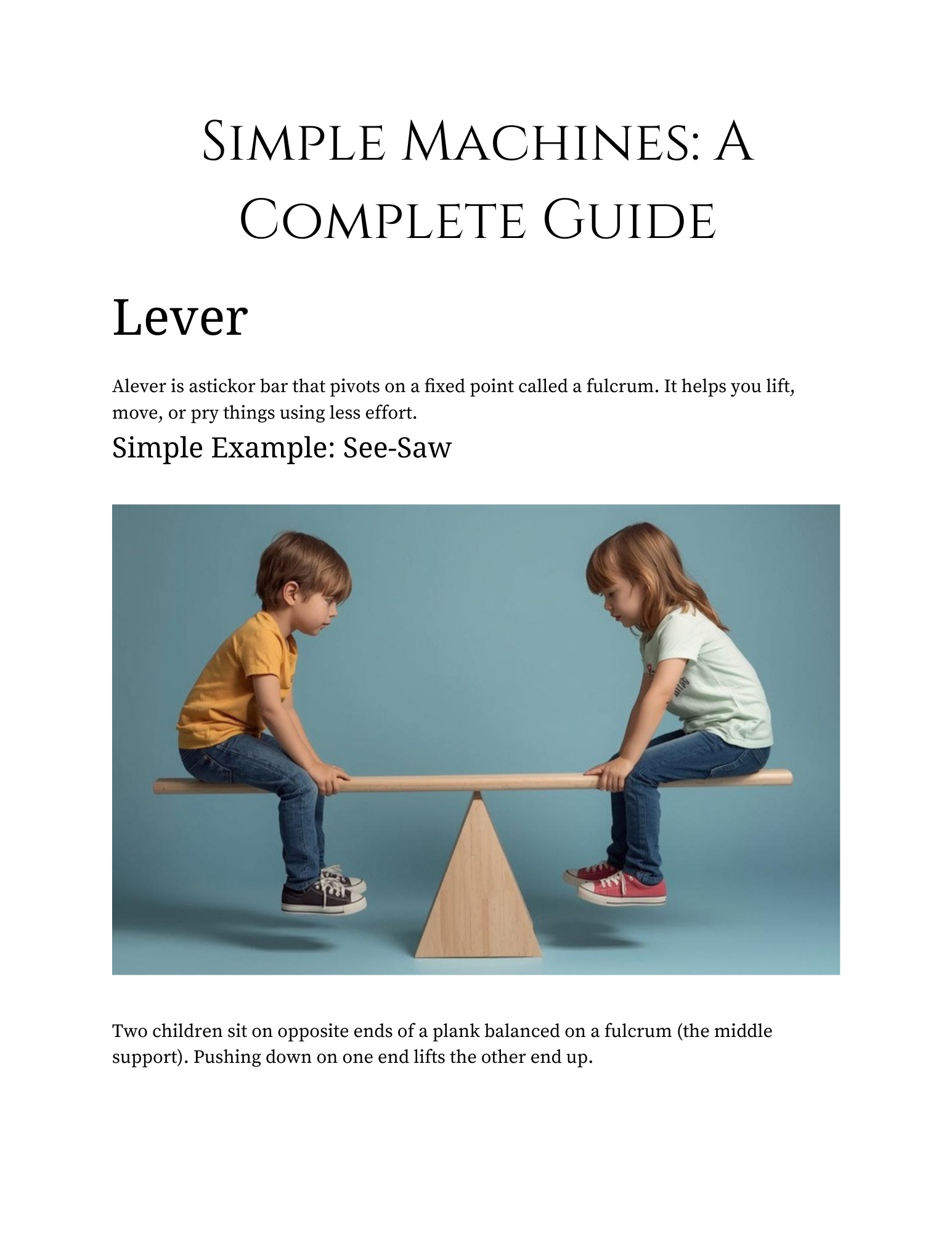
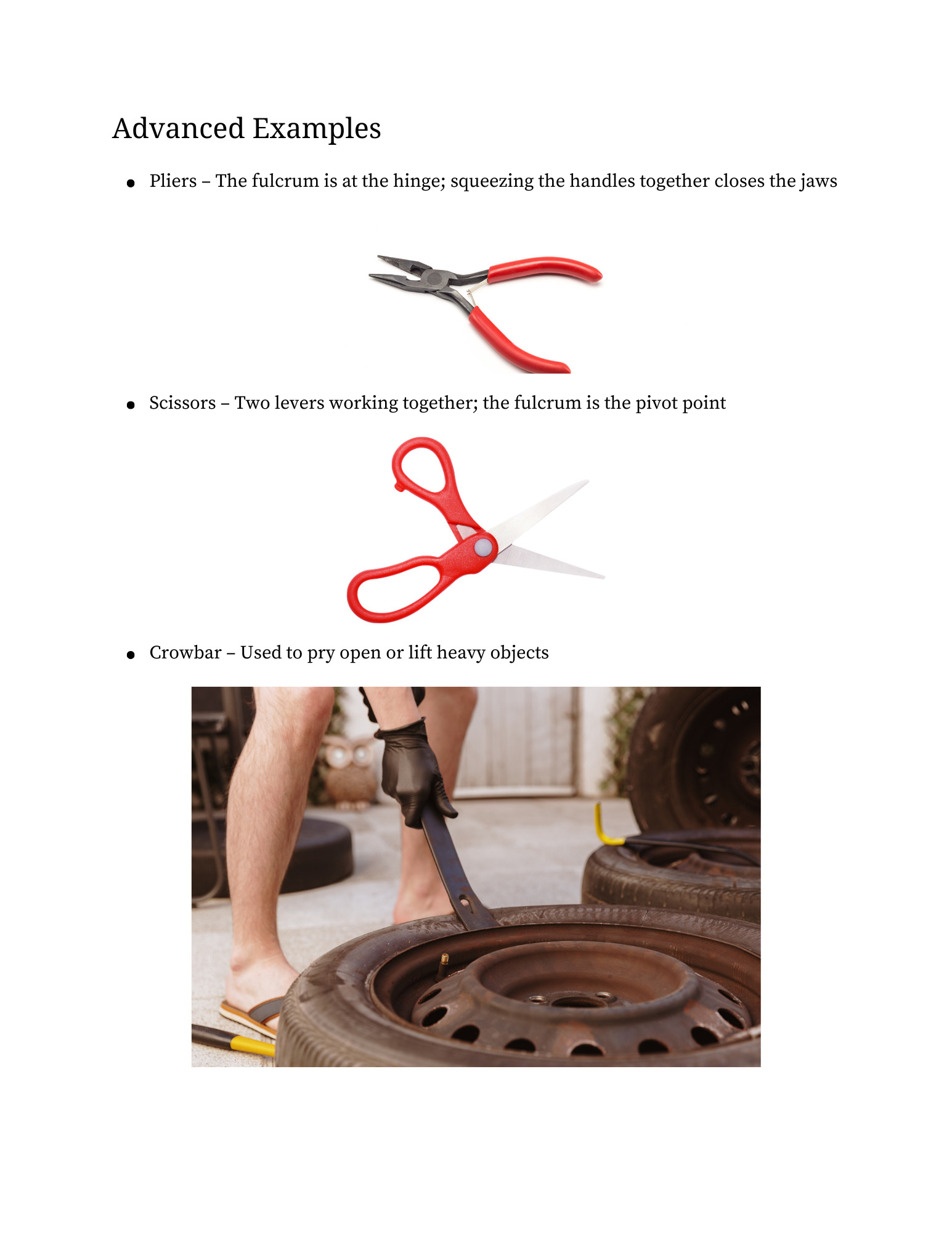
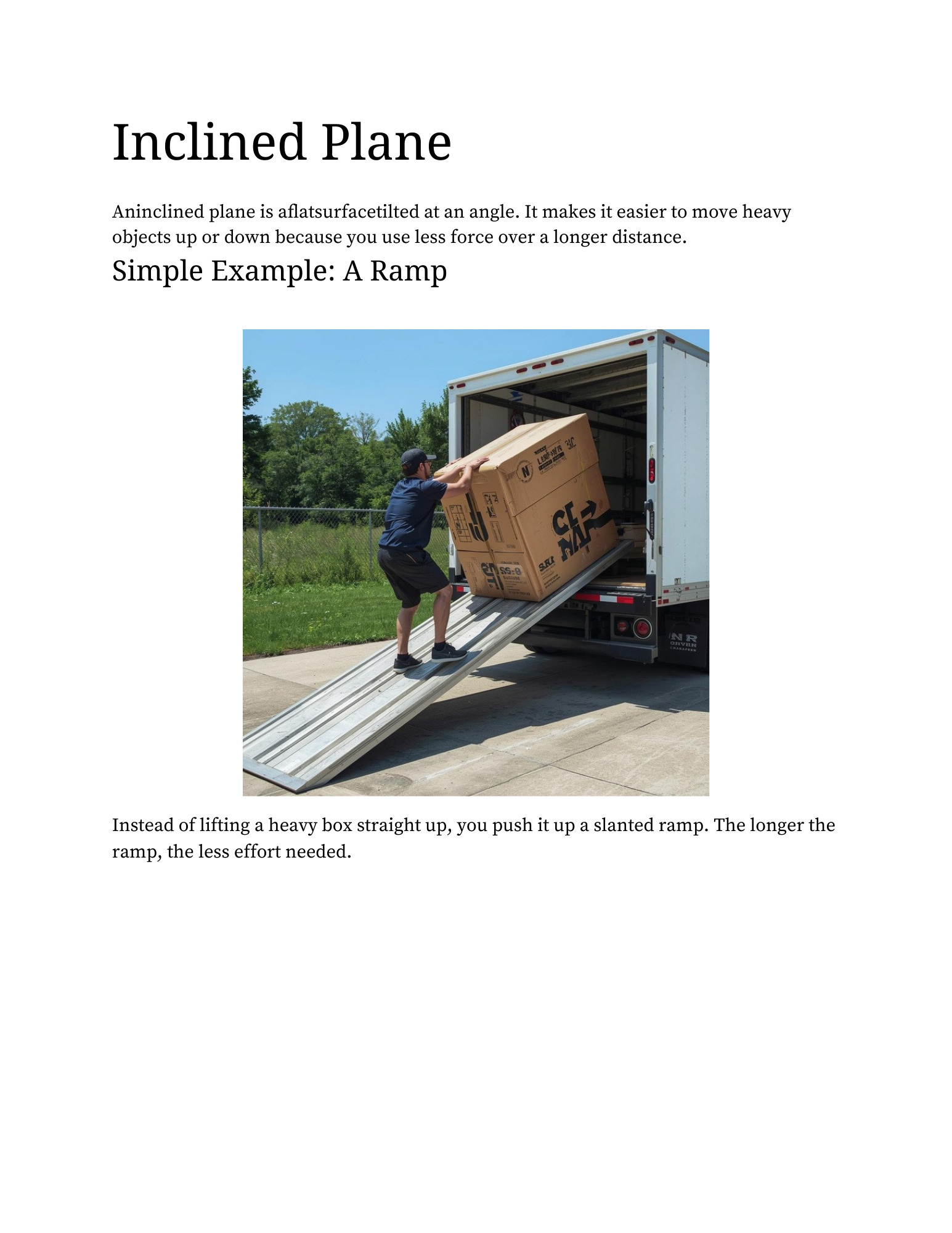
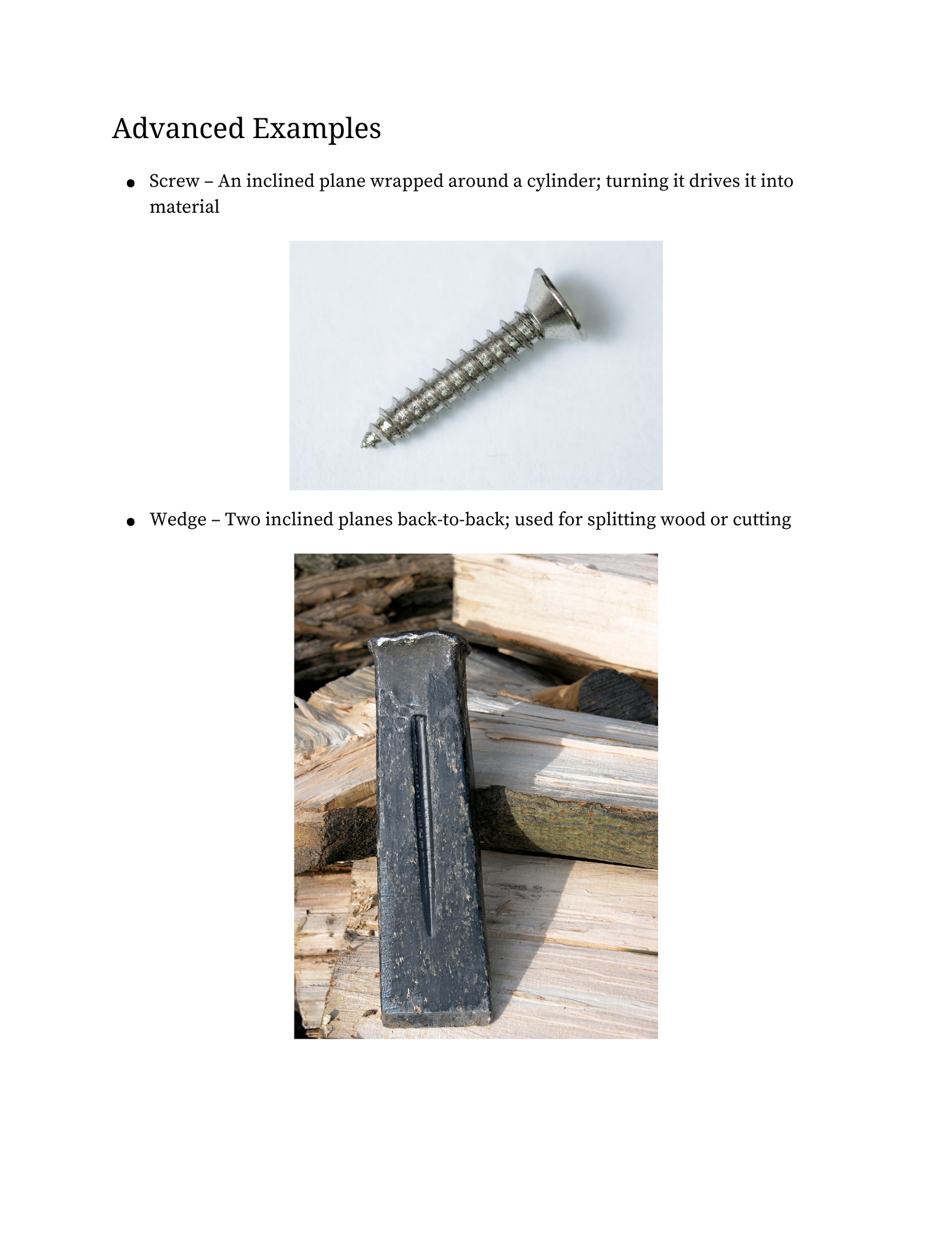
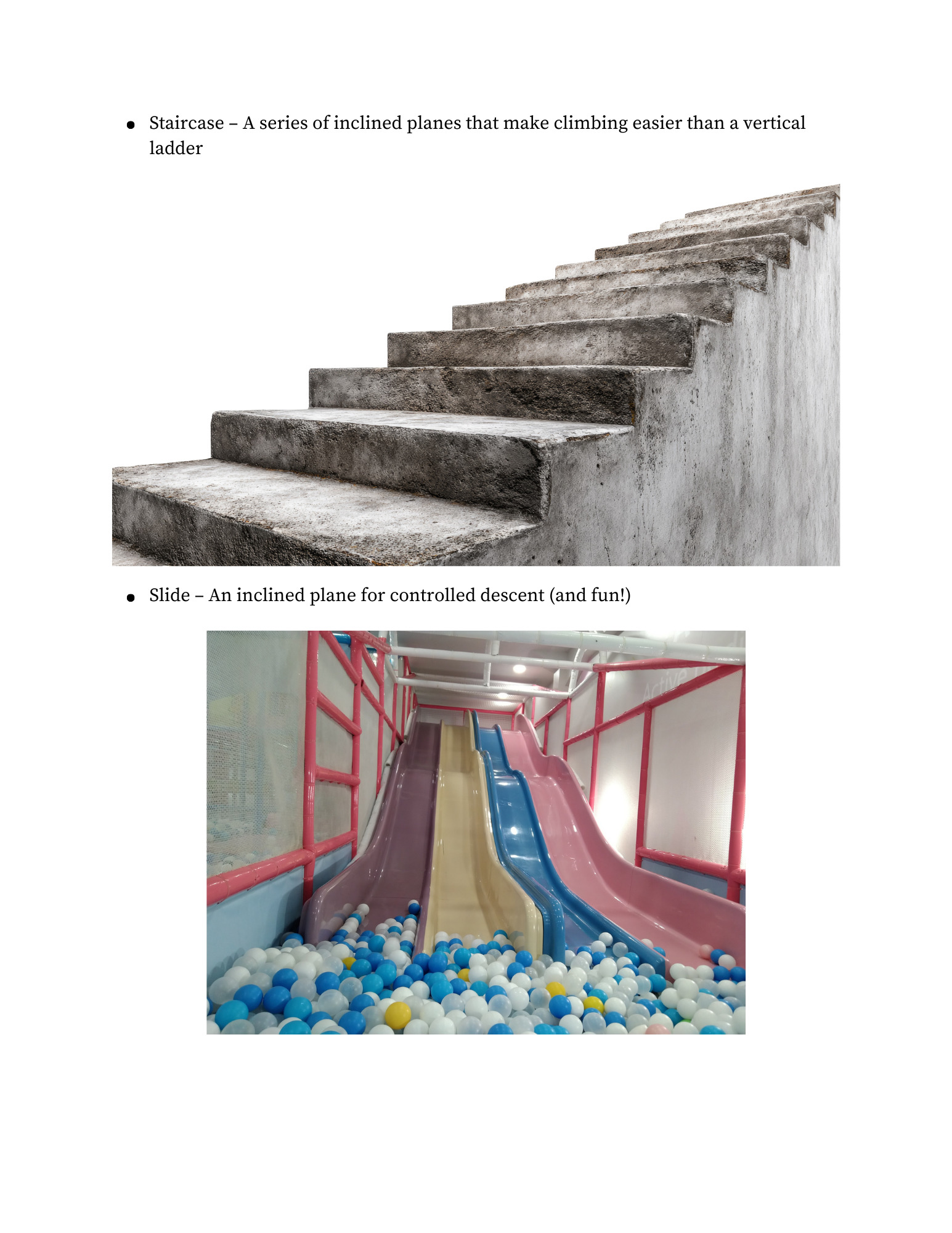
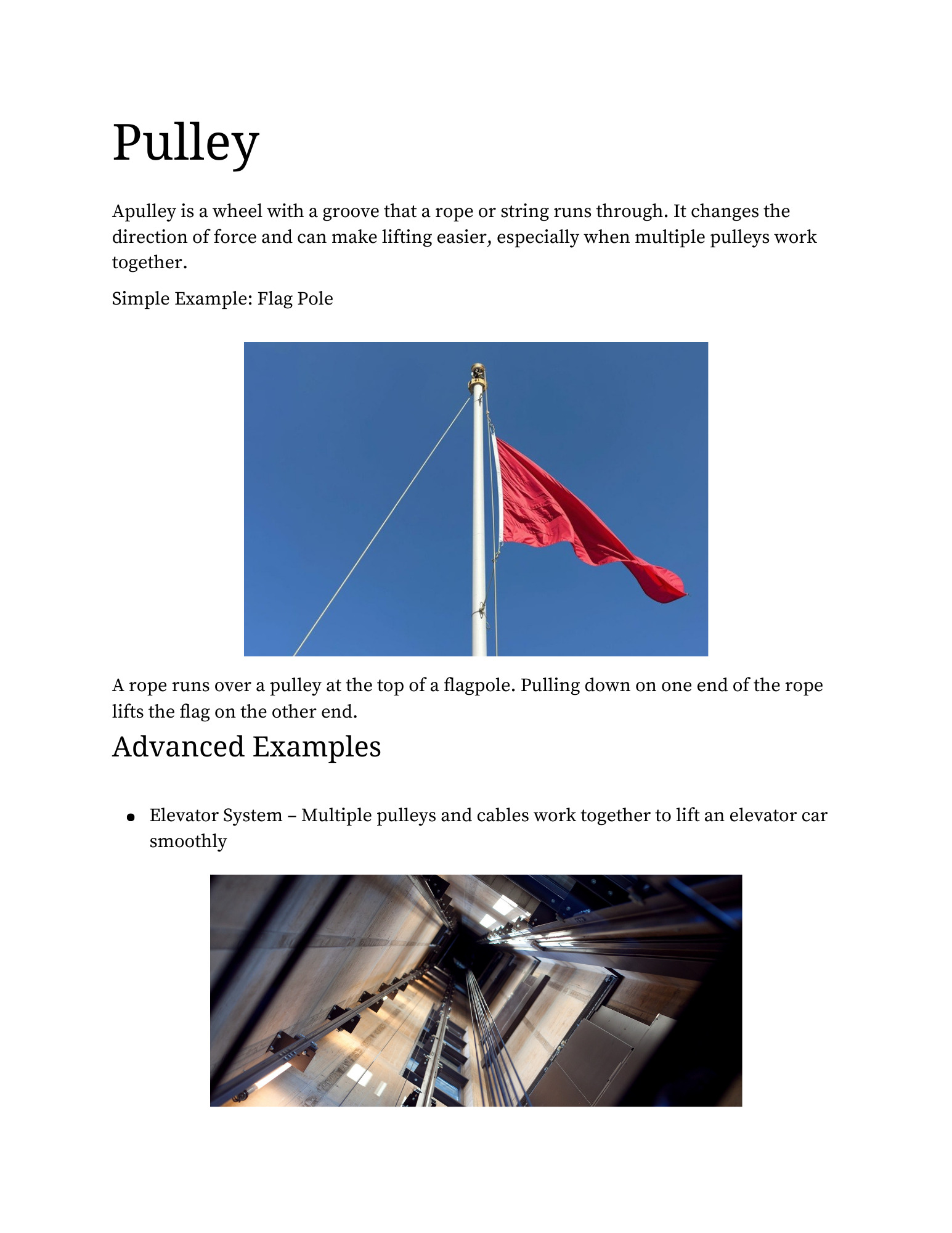
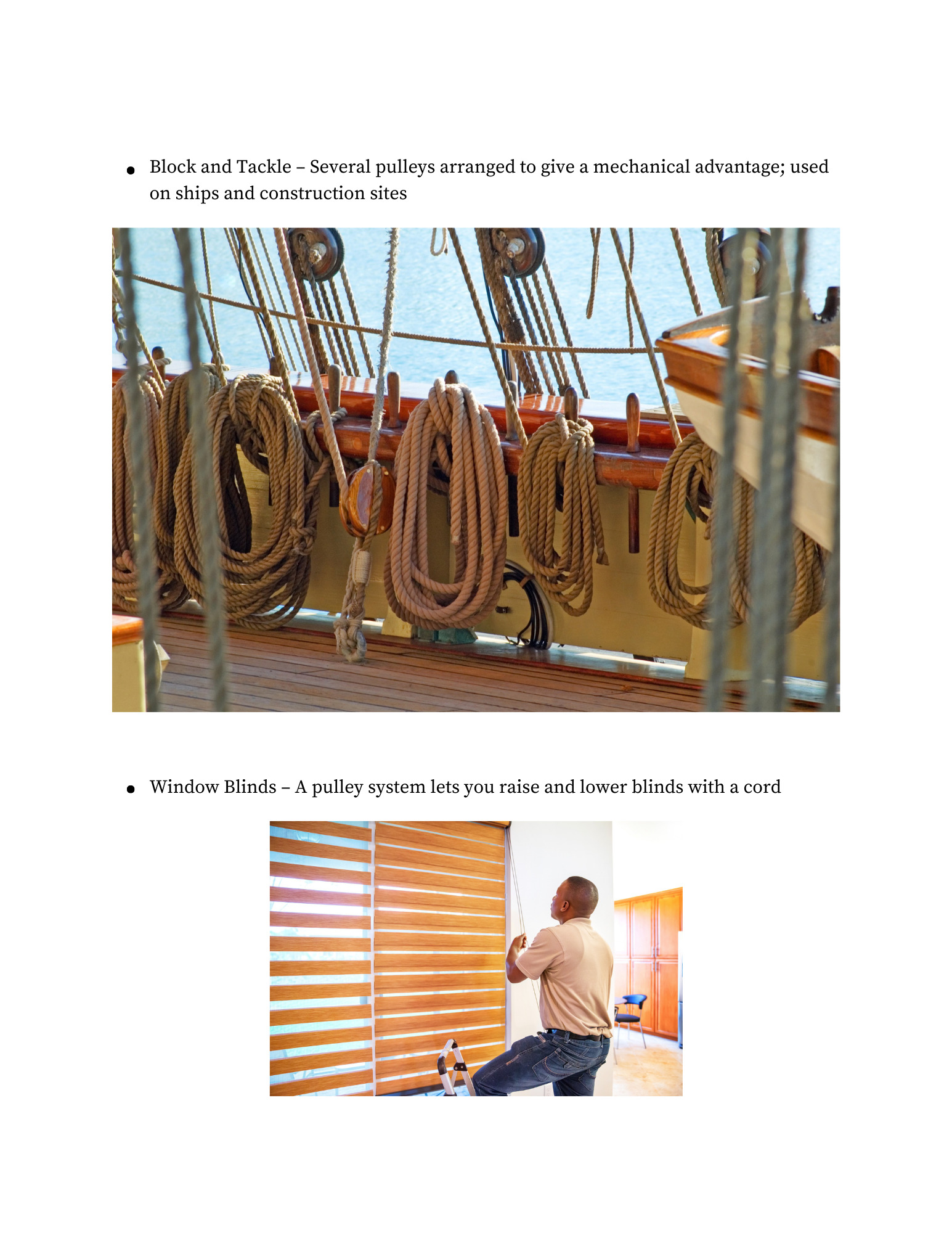
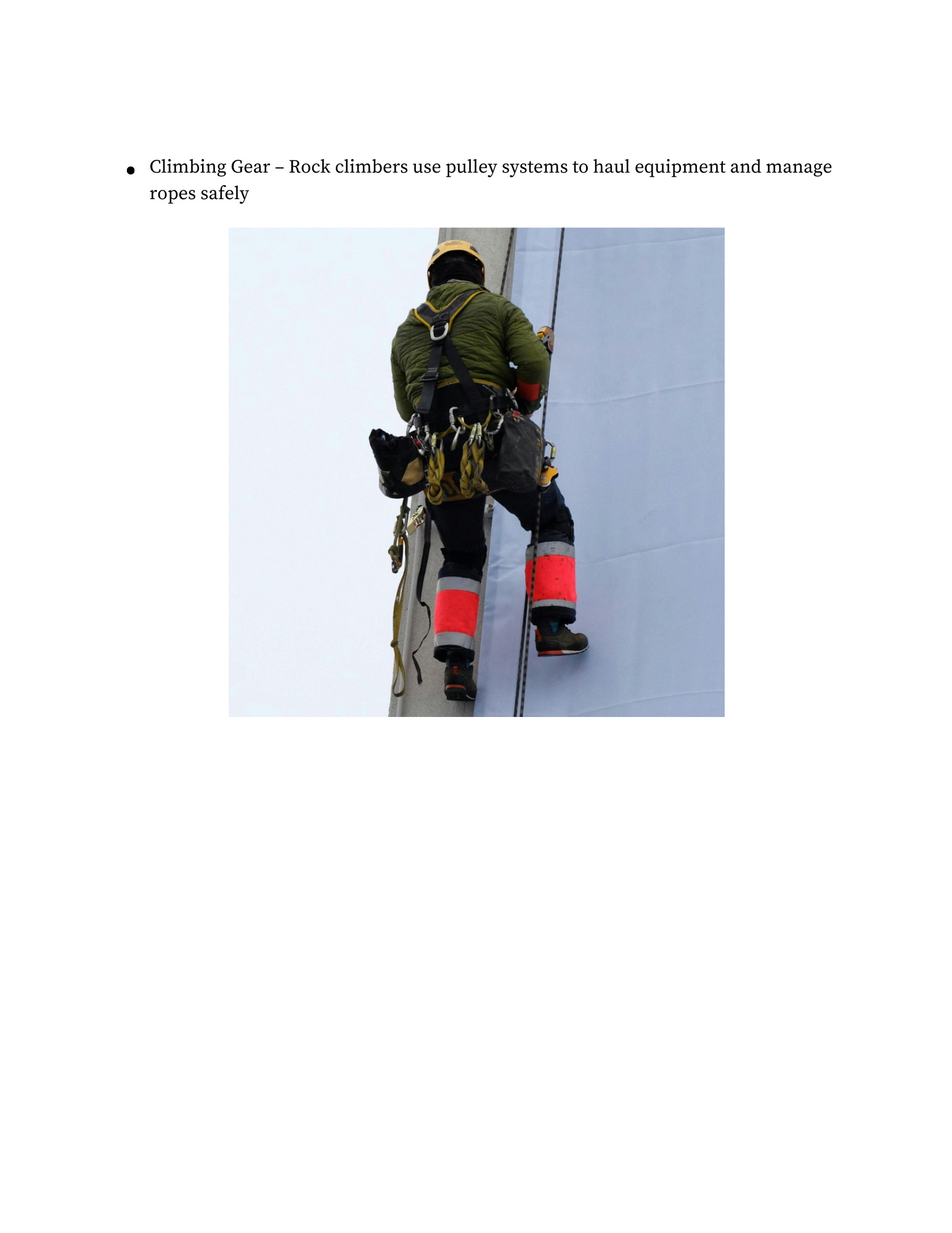
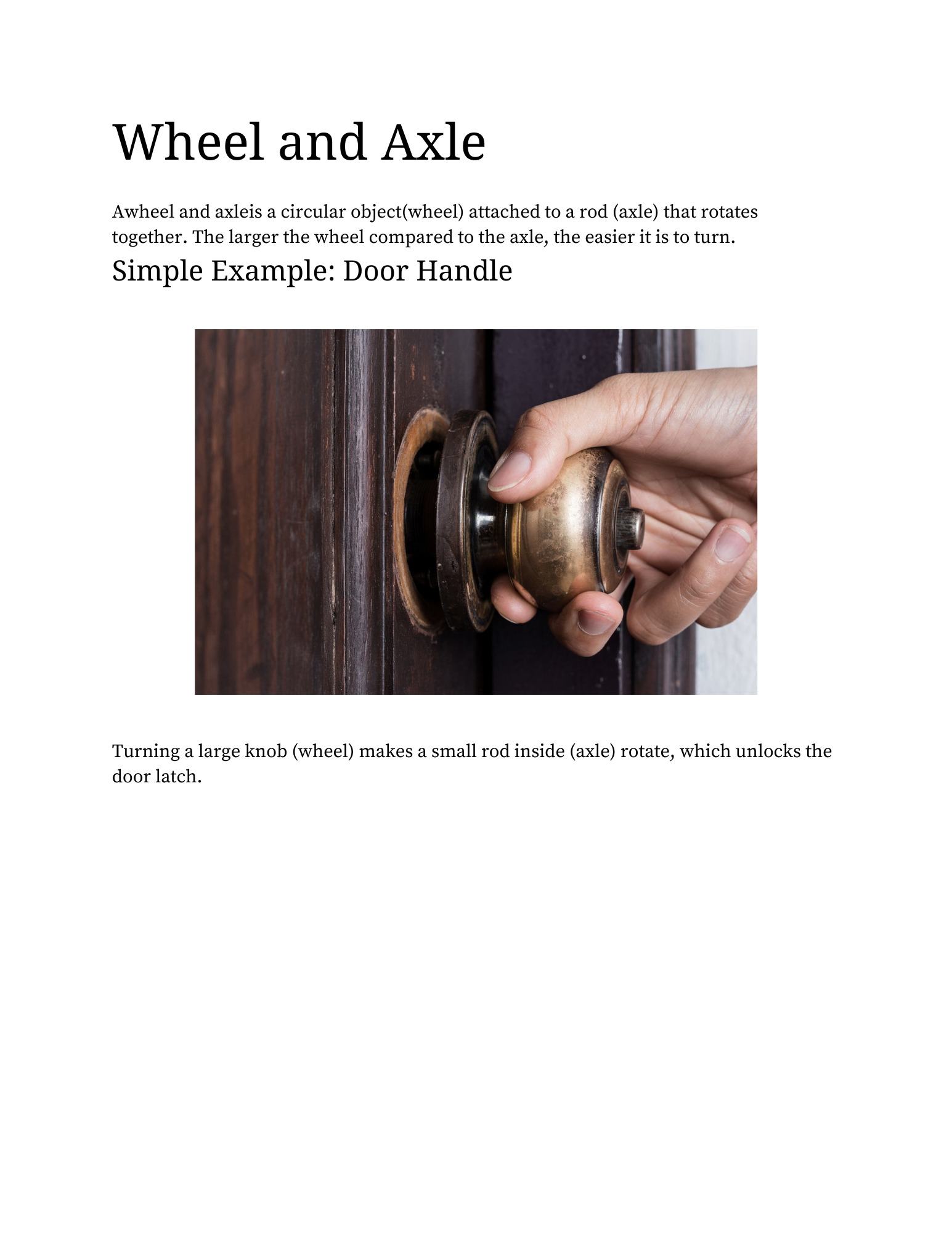
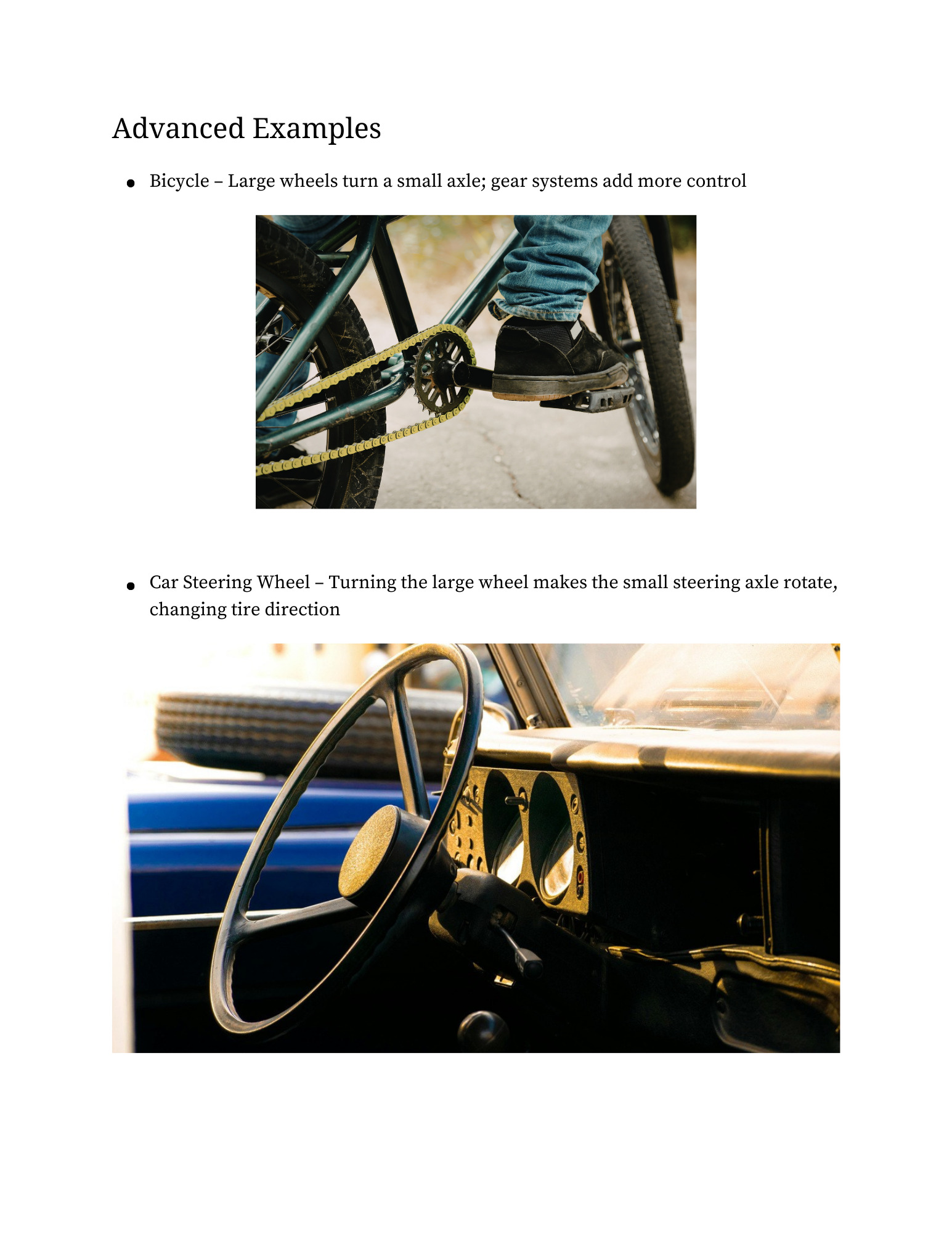
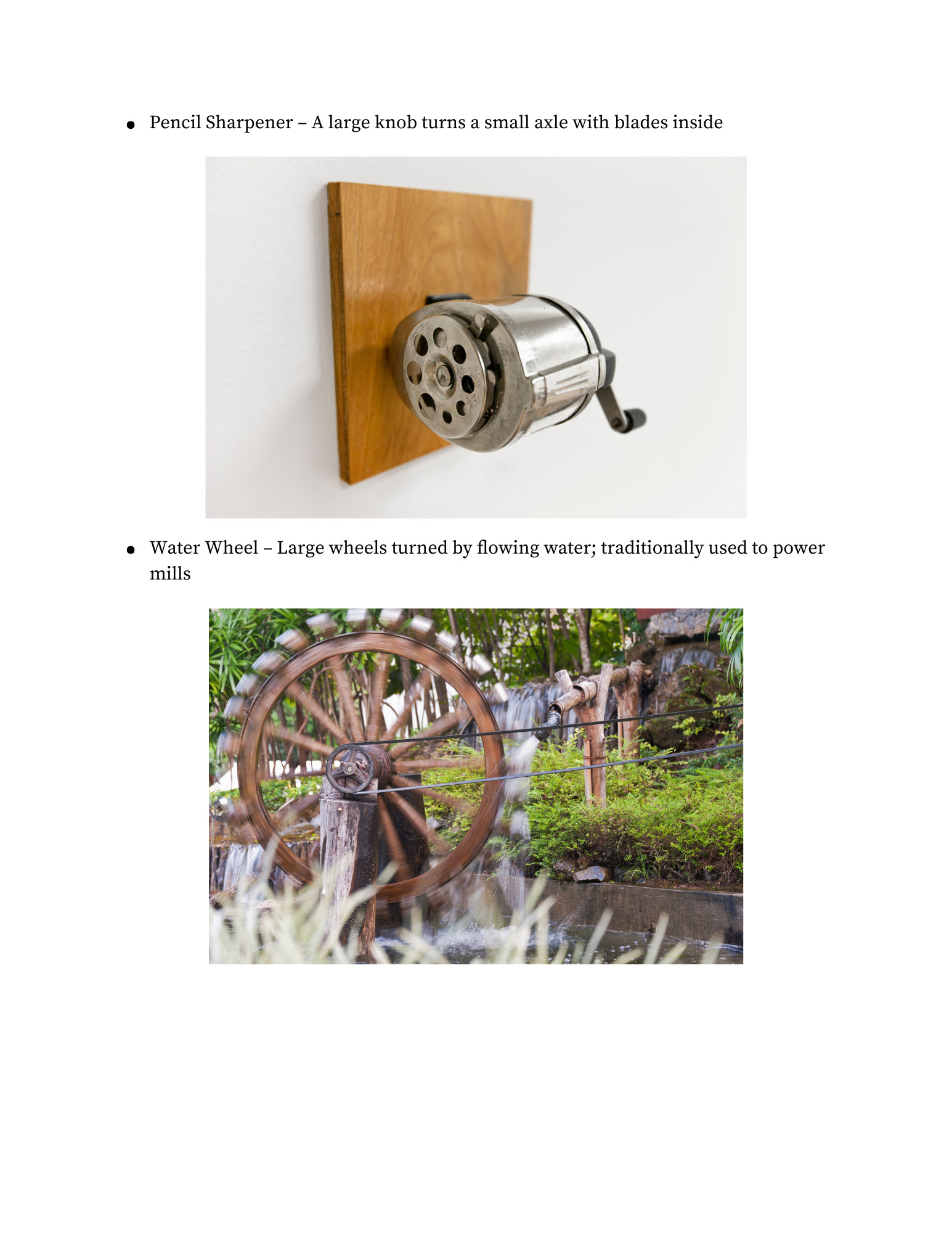
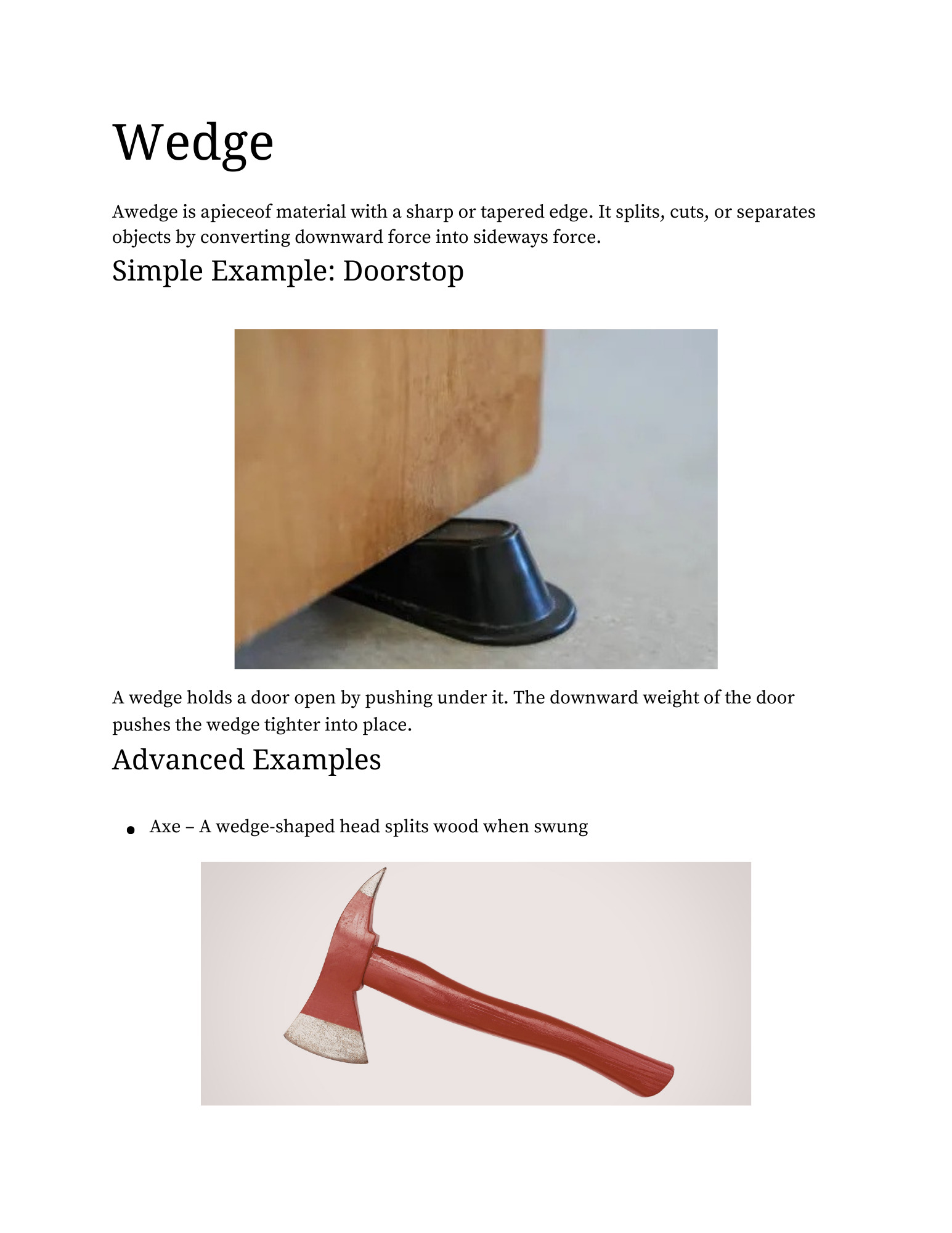
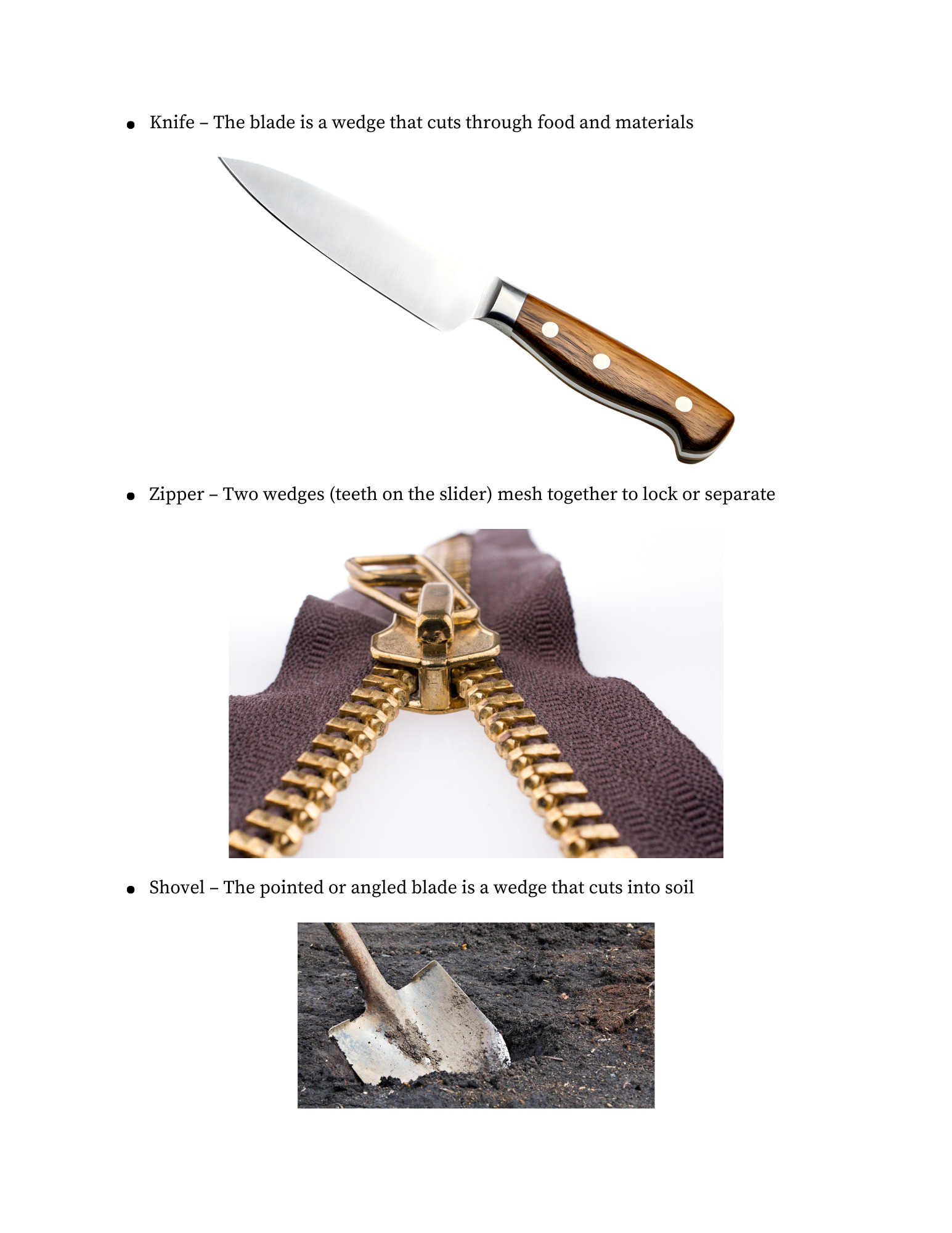
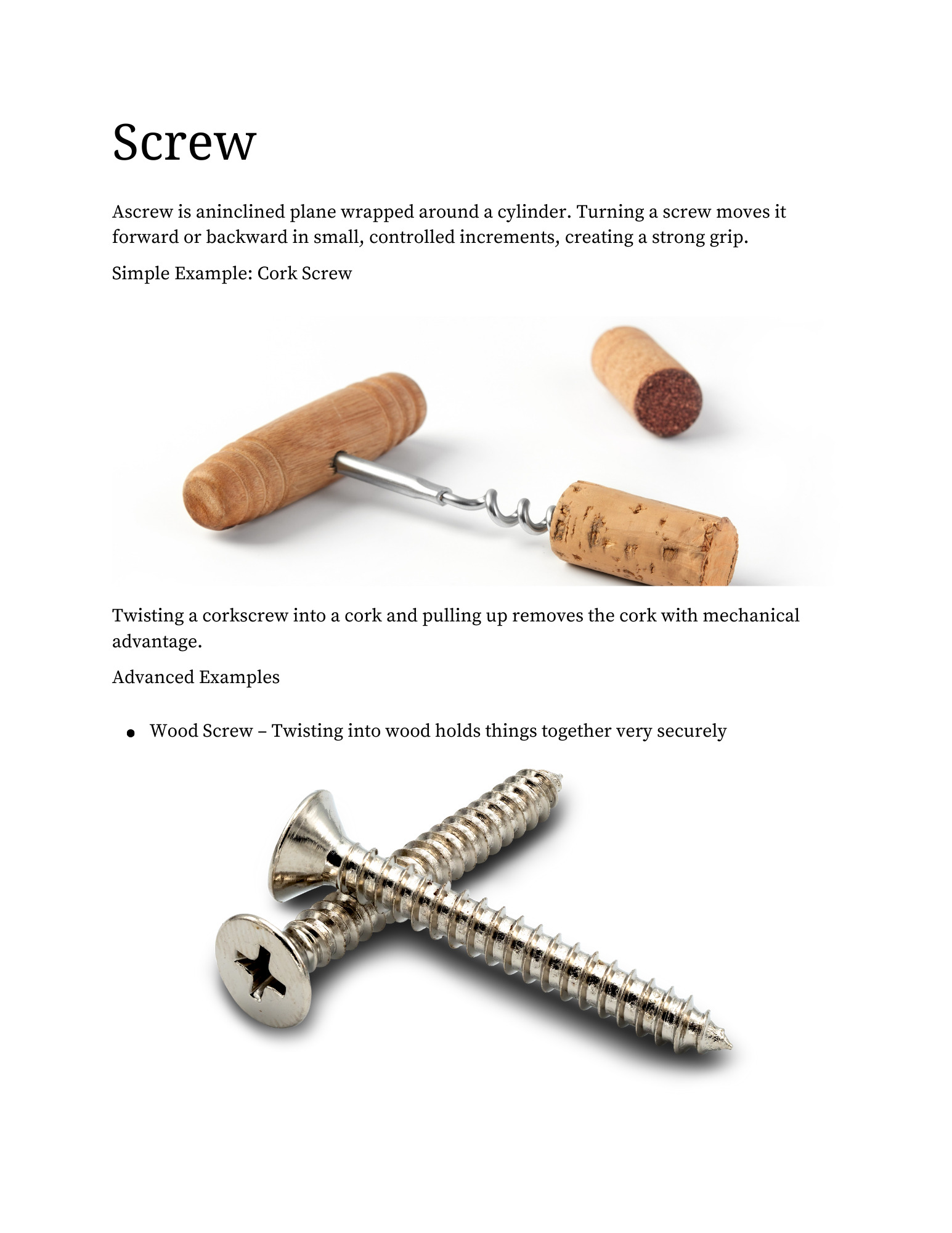
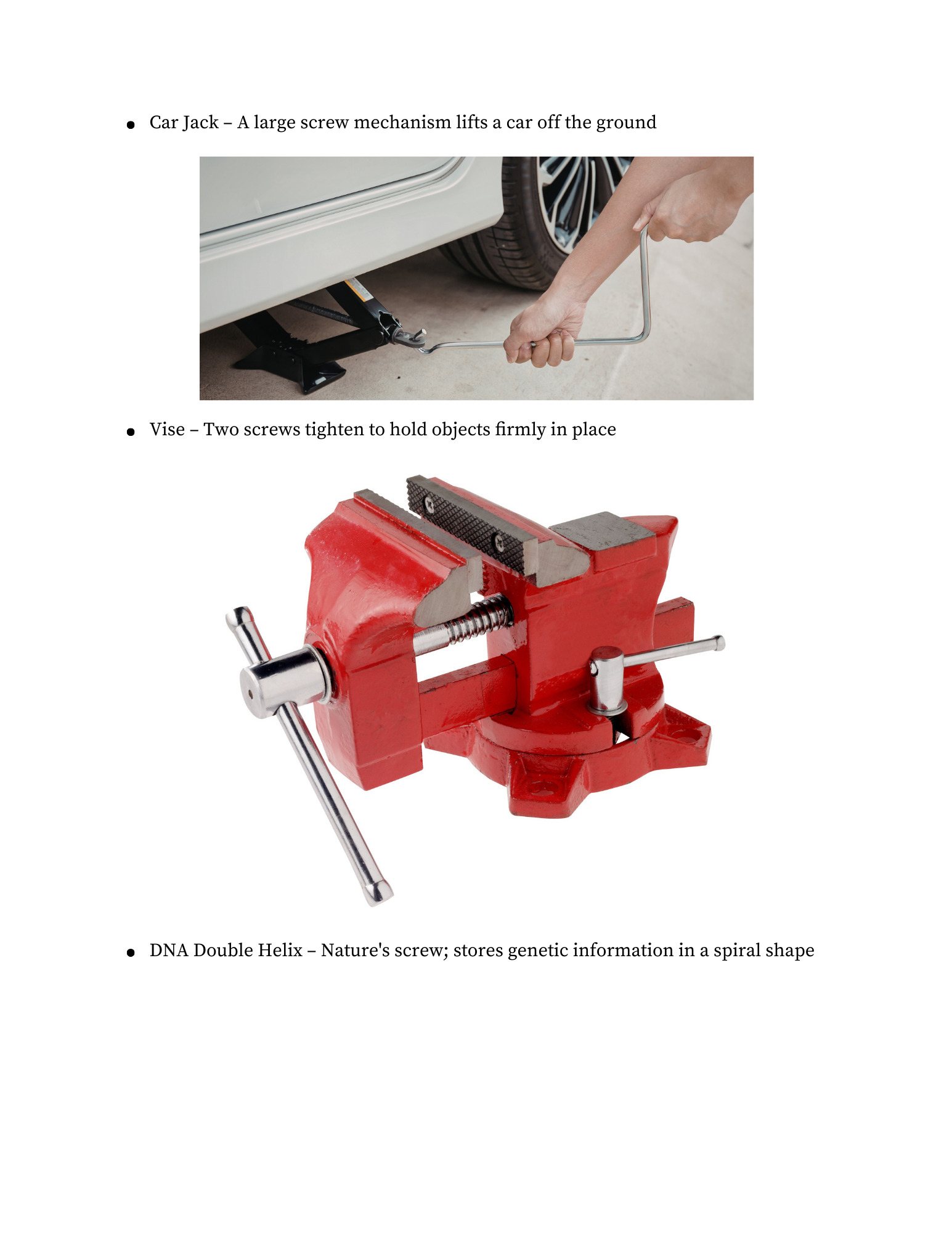
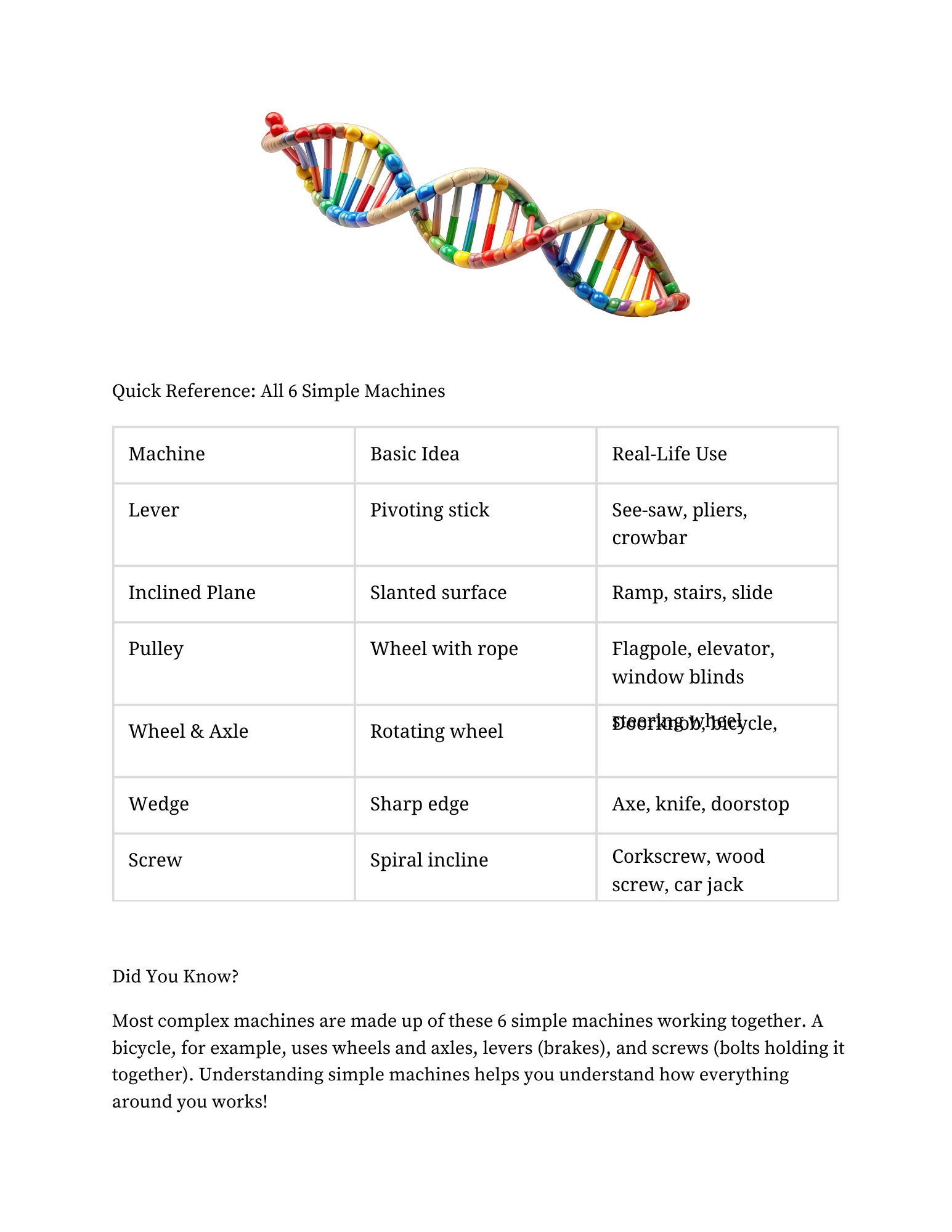
- Simple Machines Guide — Definitions, illustrations, and everyday examples of all six simple machines.
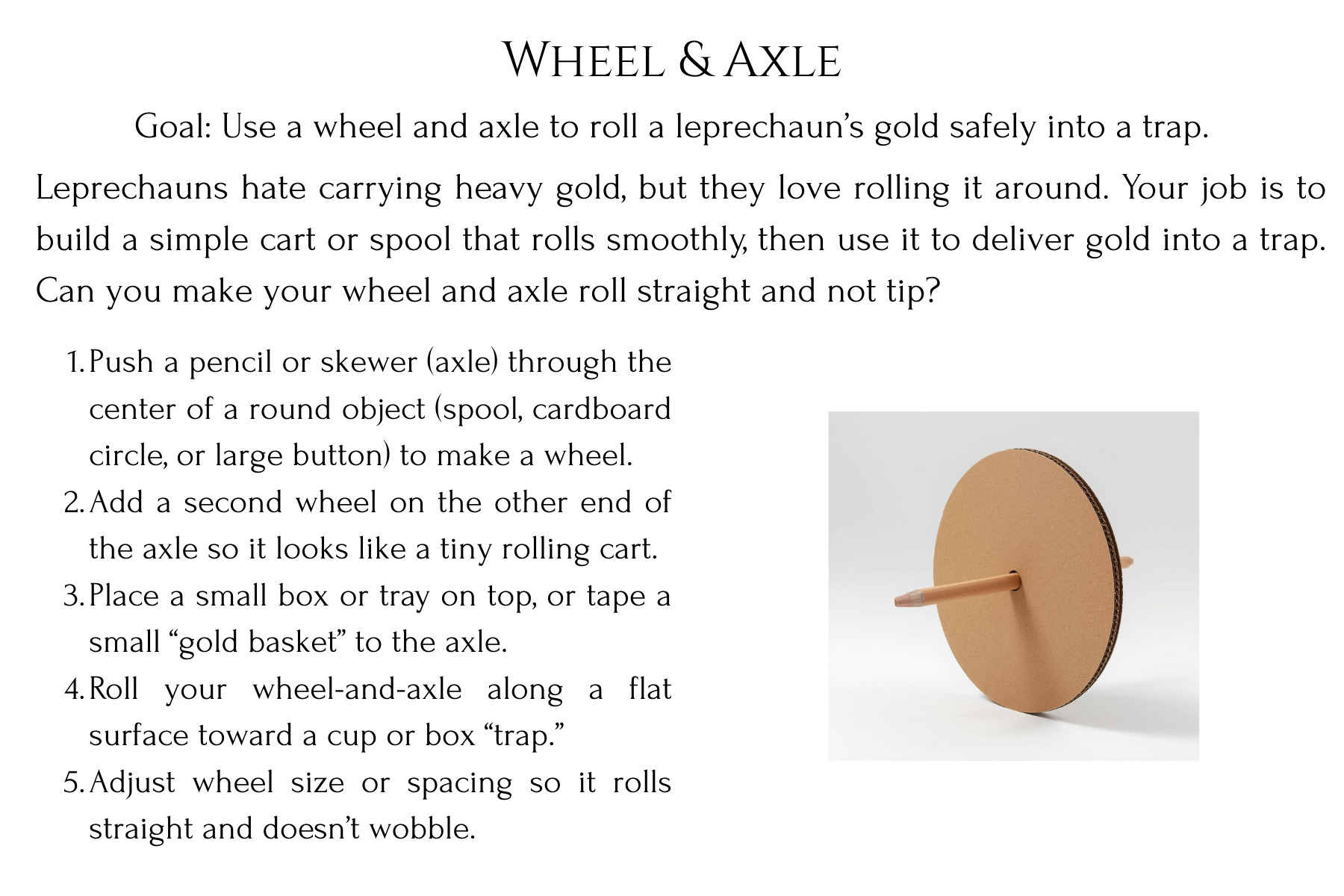
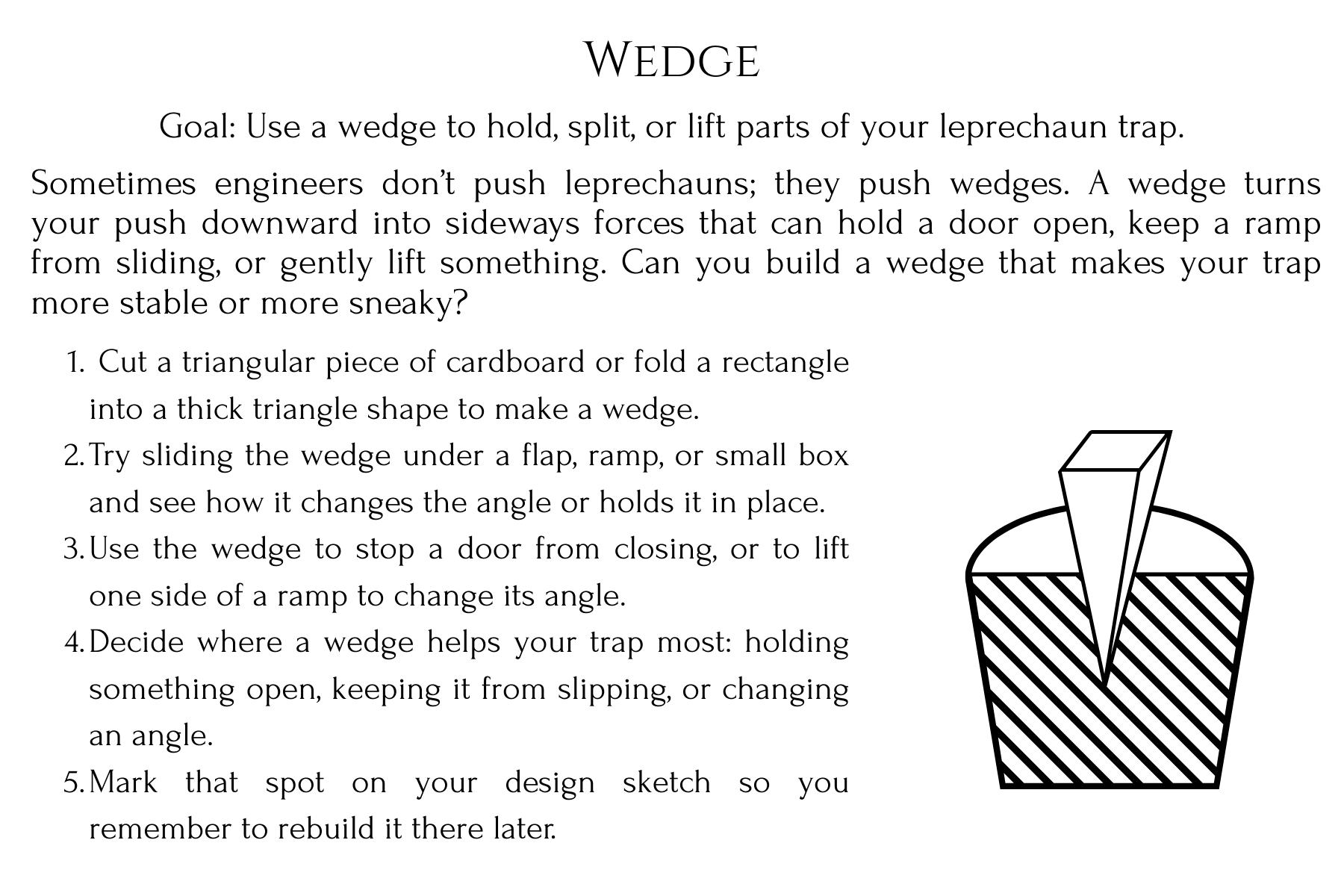
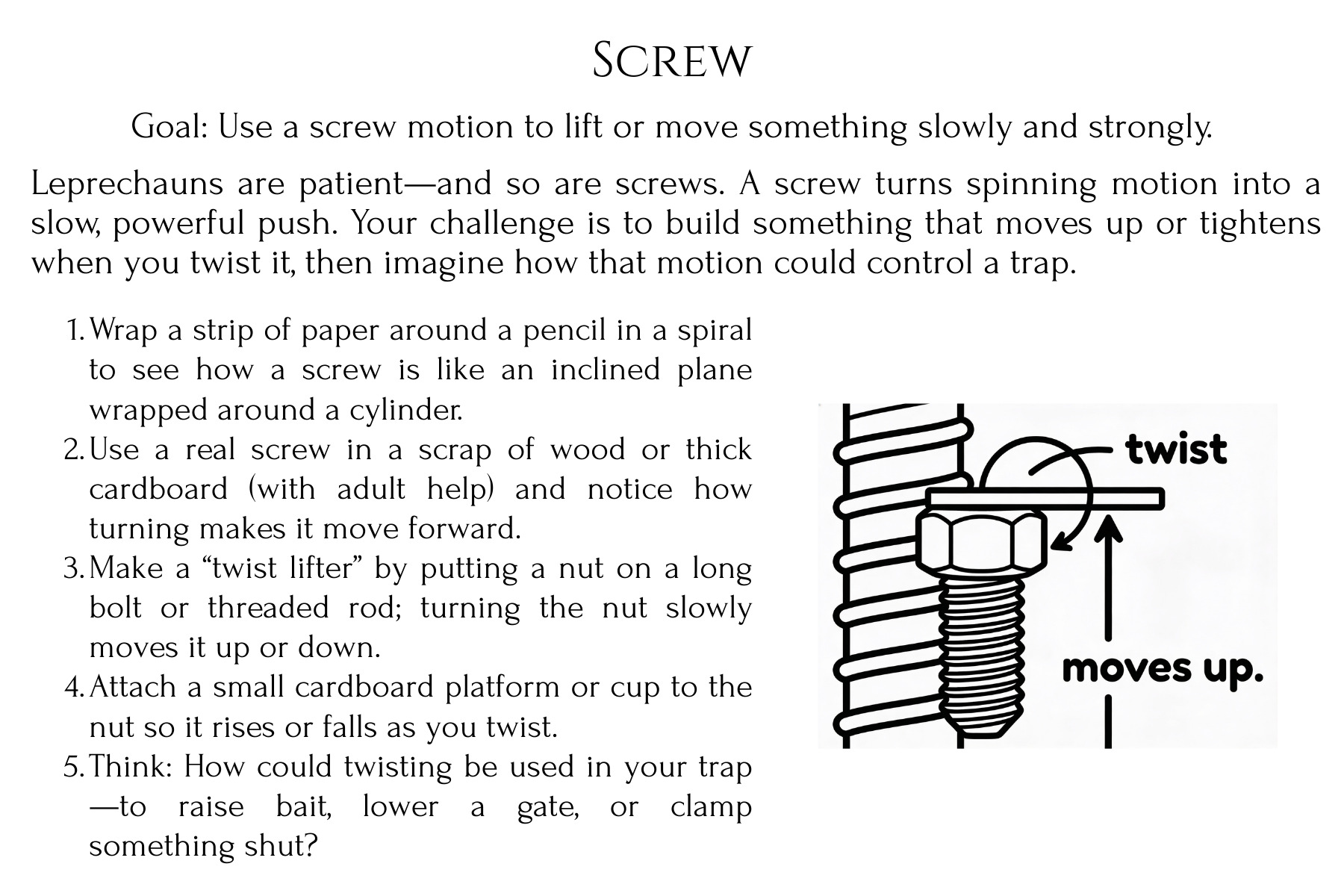
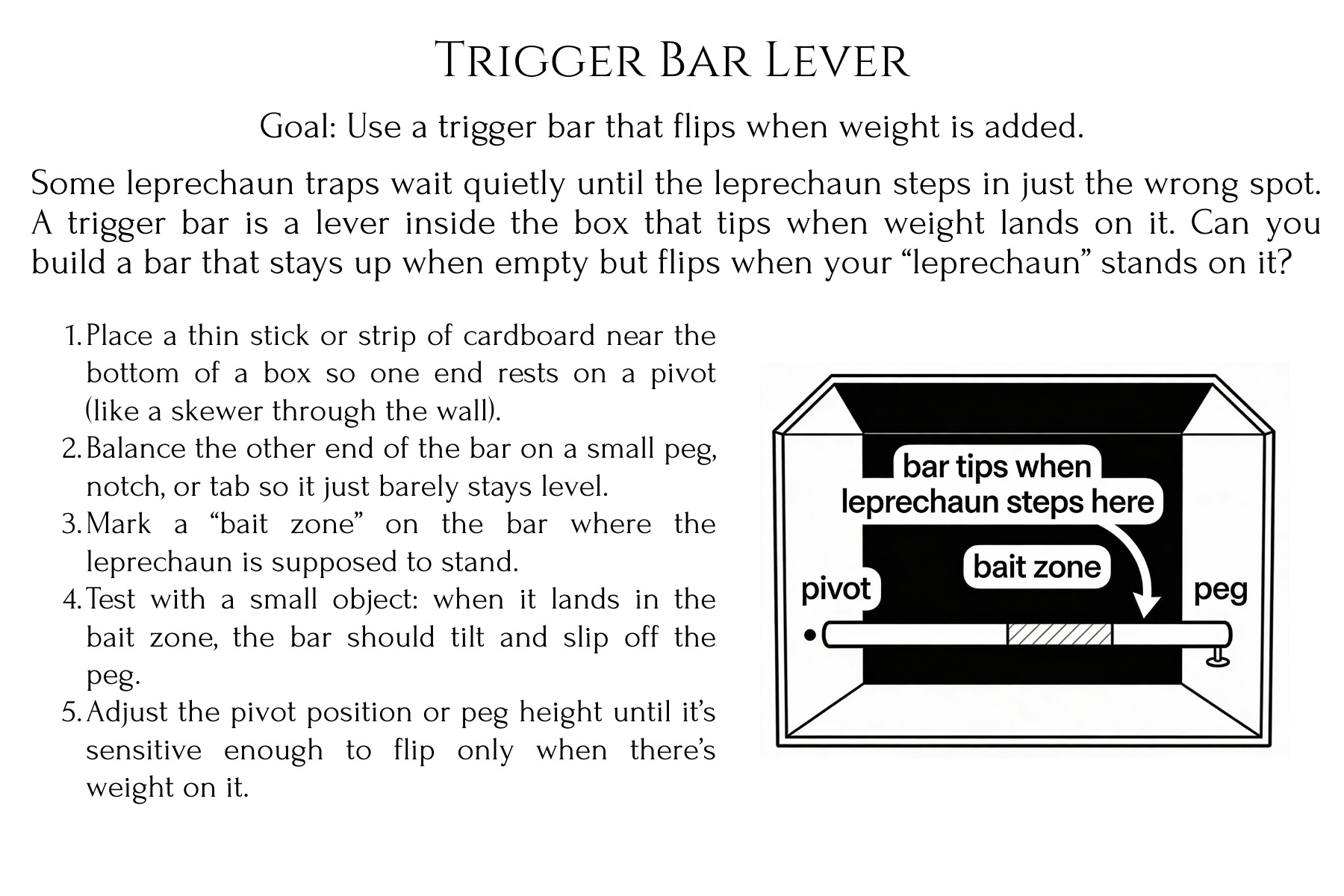
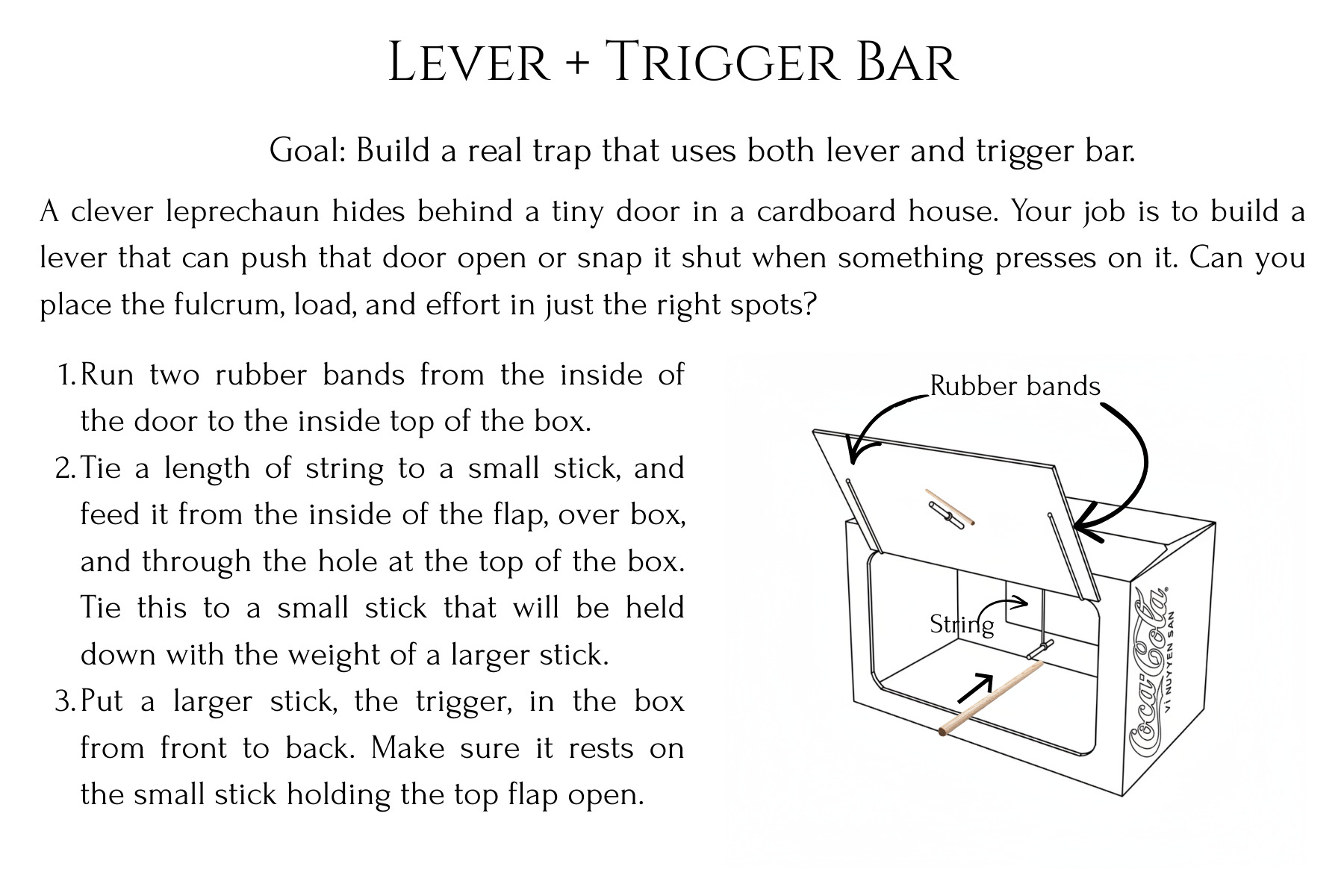
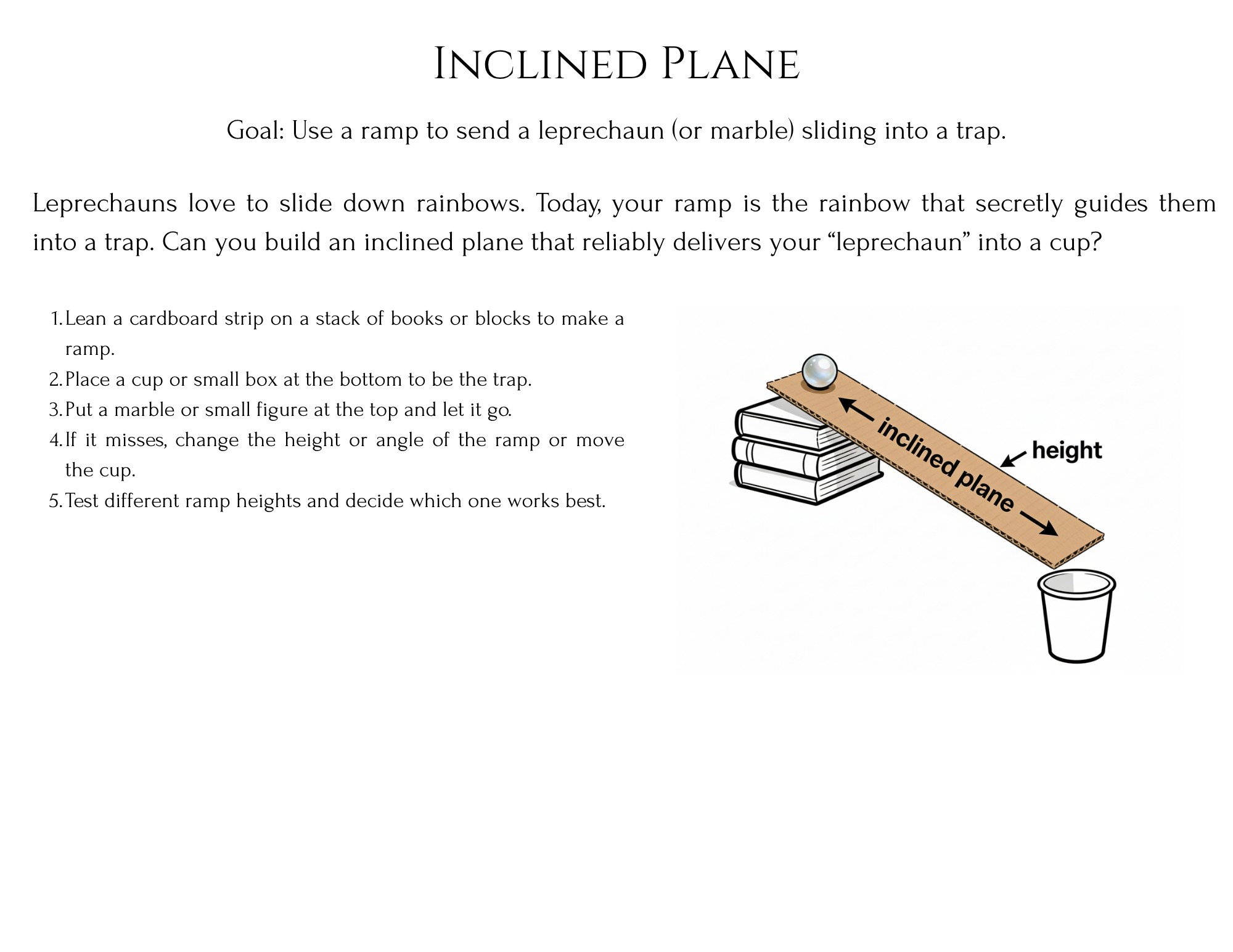
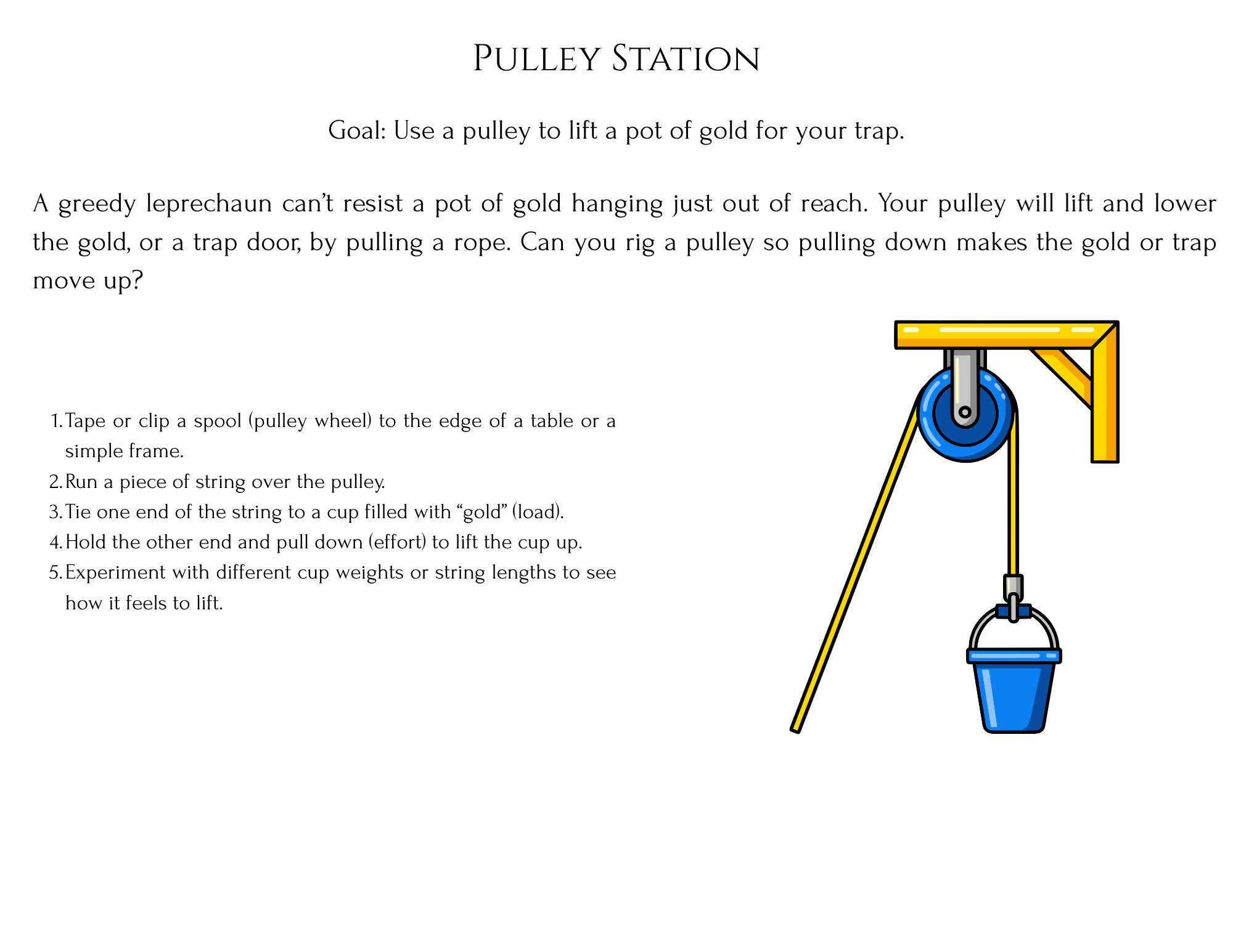
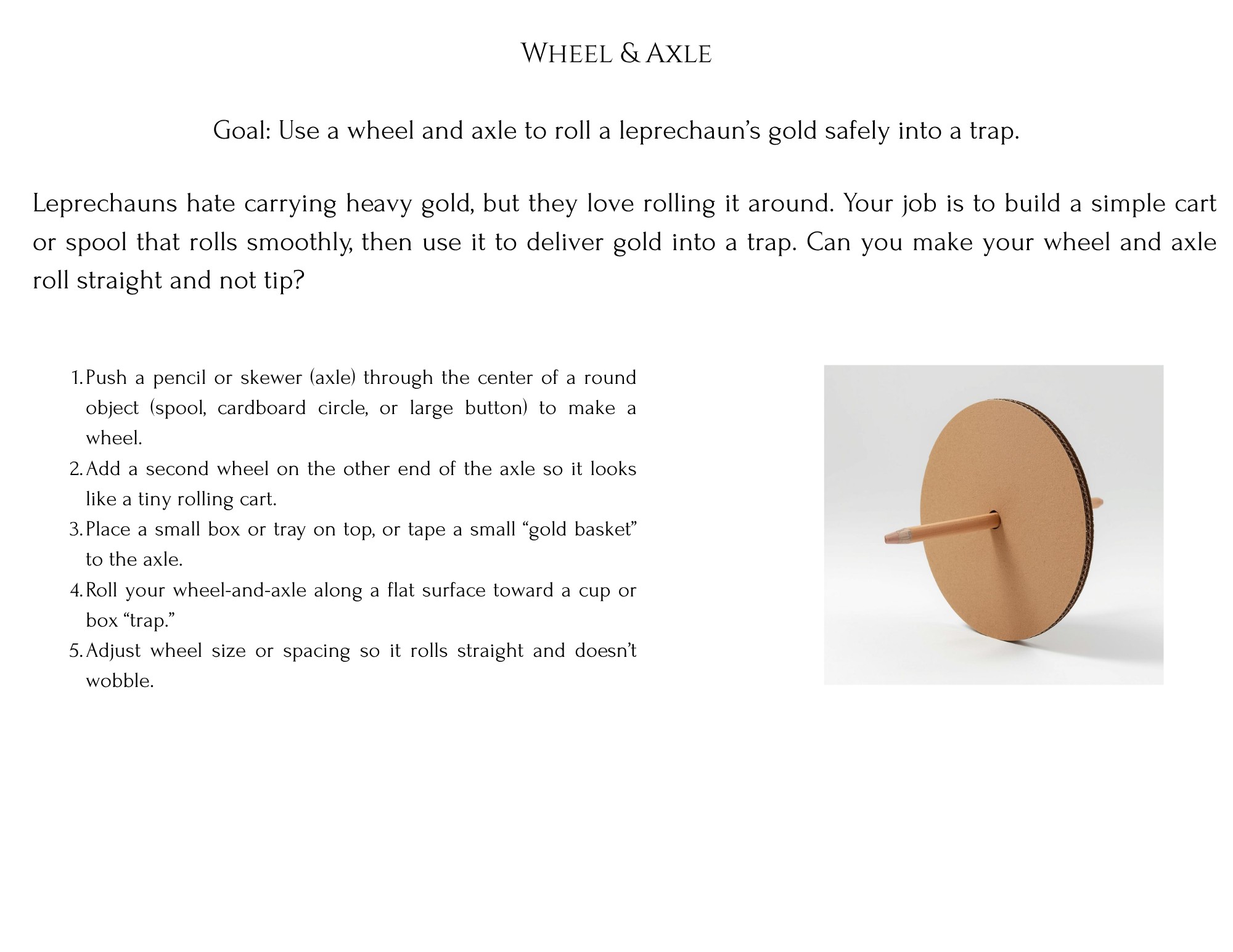
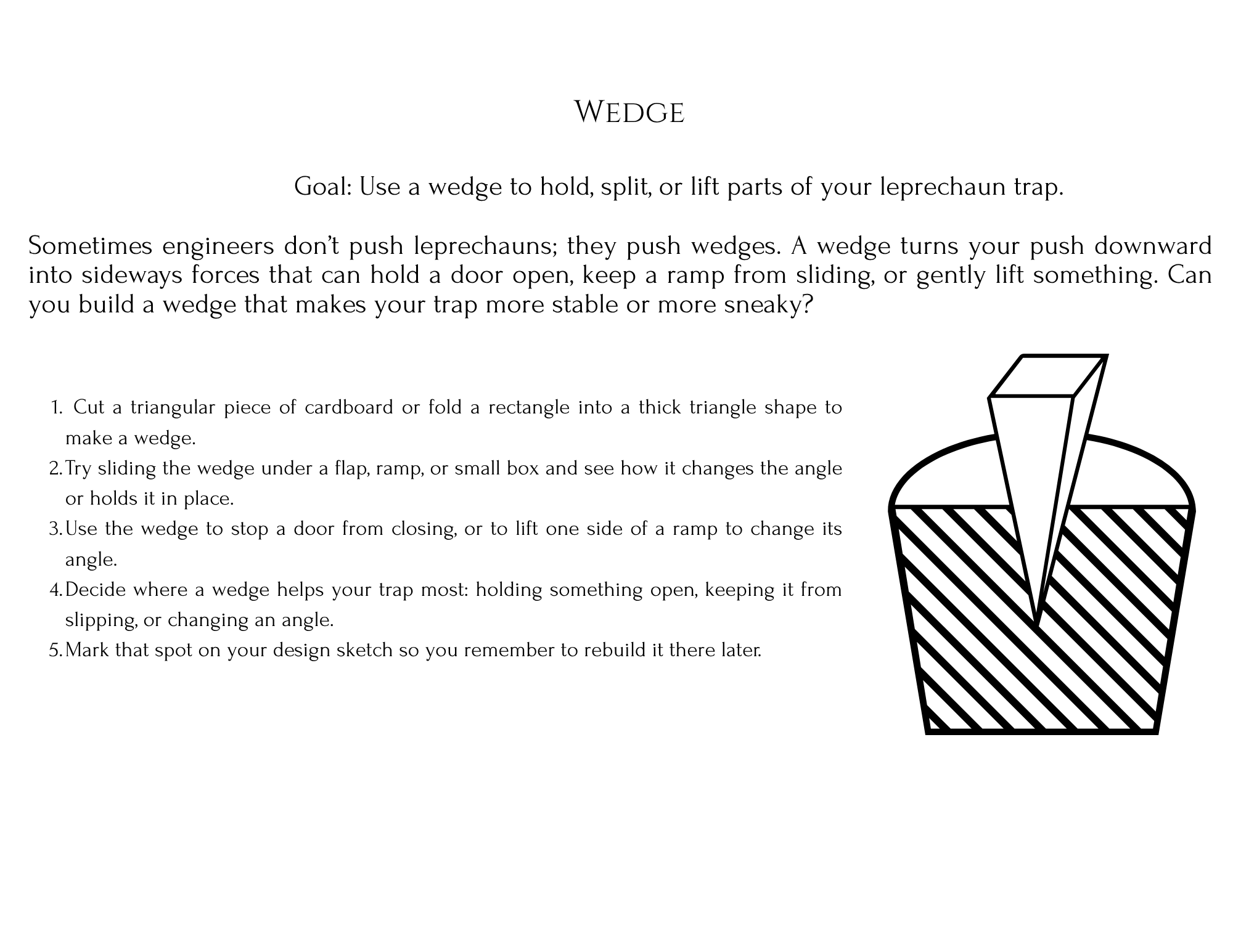
- Story Cards — Illustrated building challenges with goals and simplified instructions for levers, inclined planes, pulleys, wheels and axles, wedges, and screws.
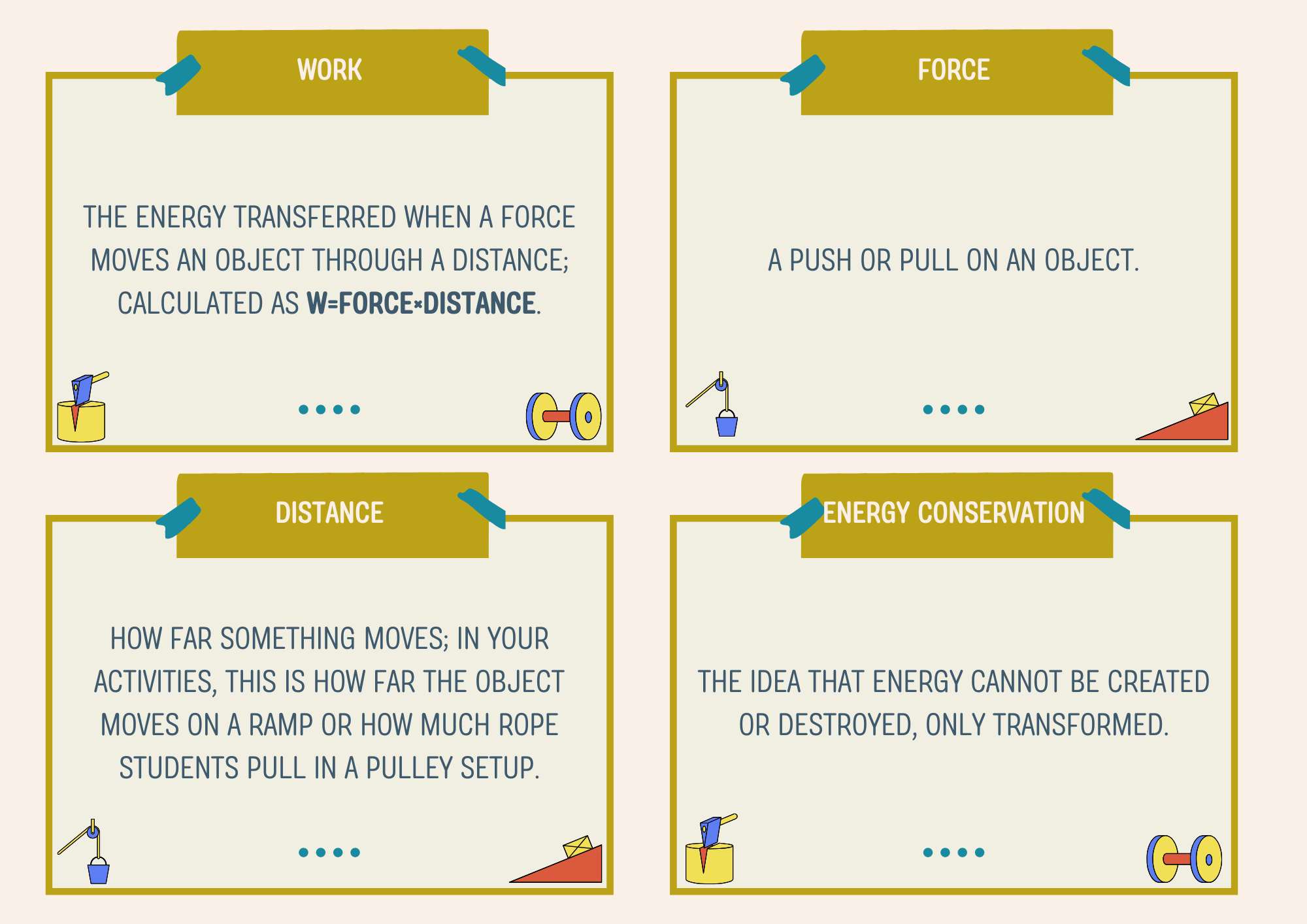
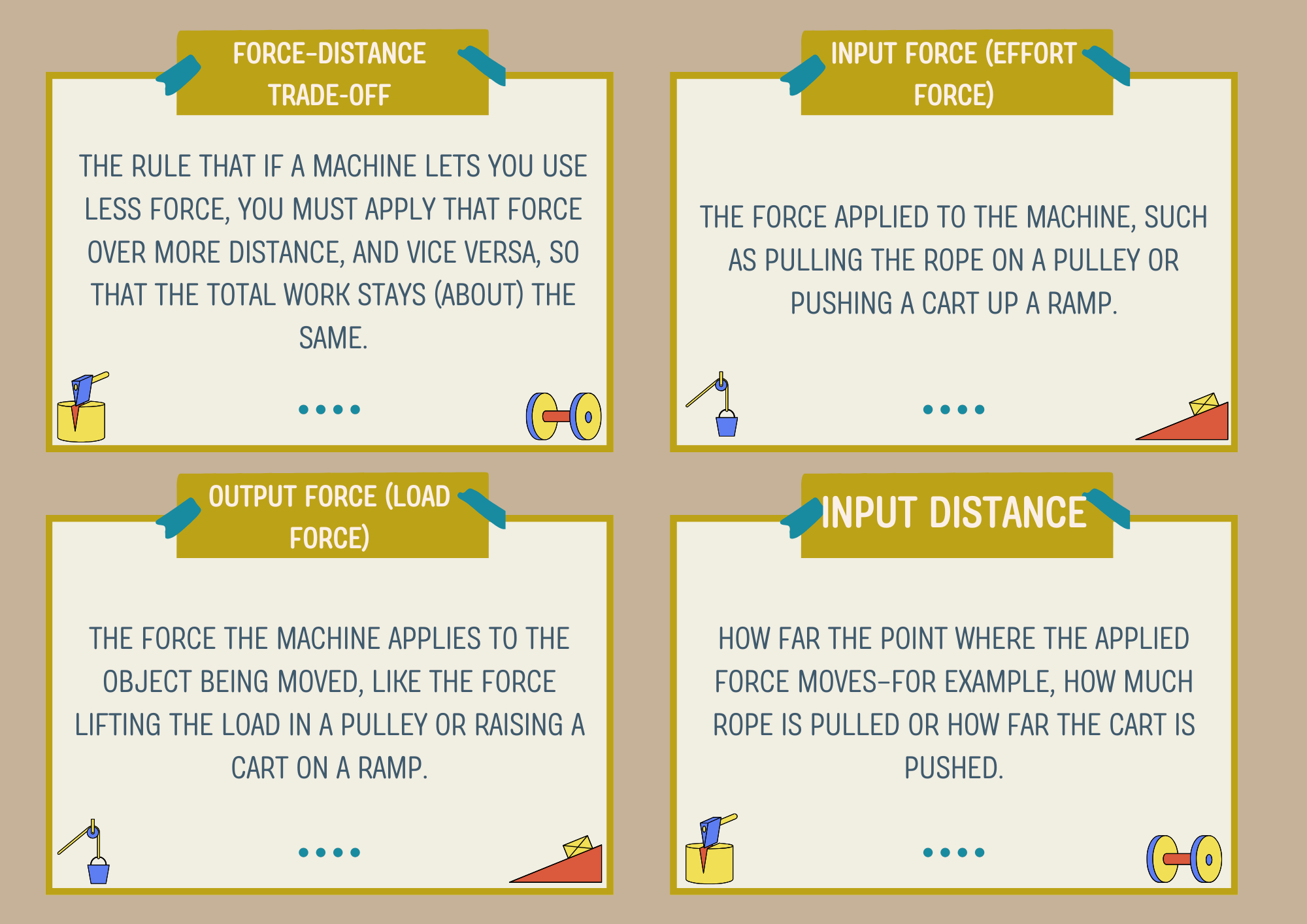
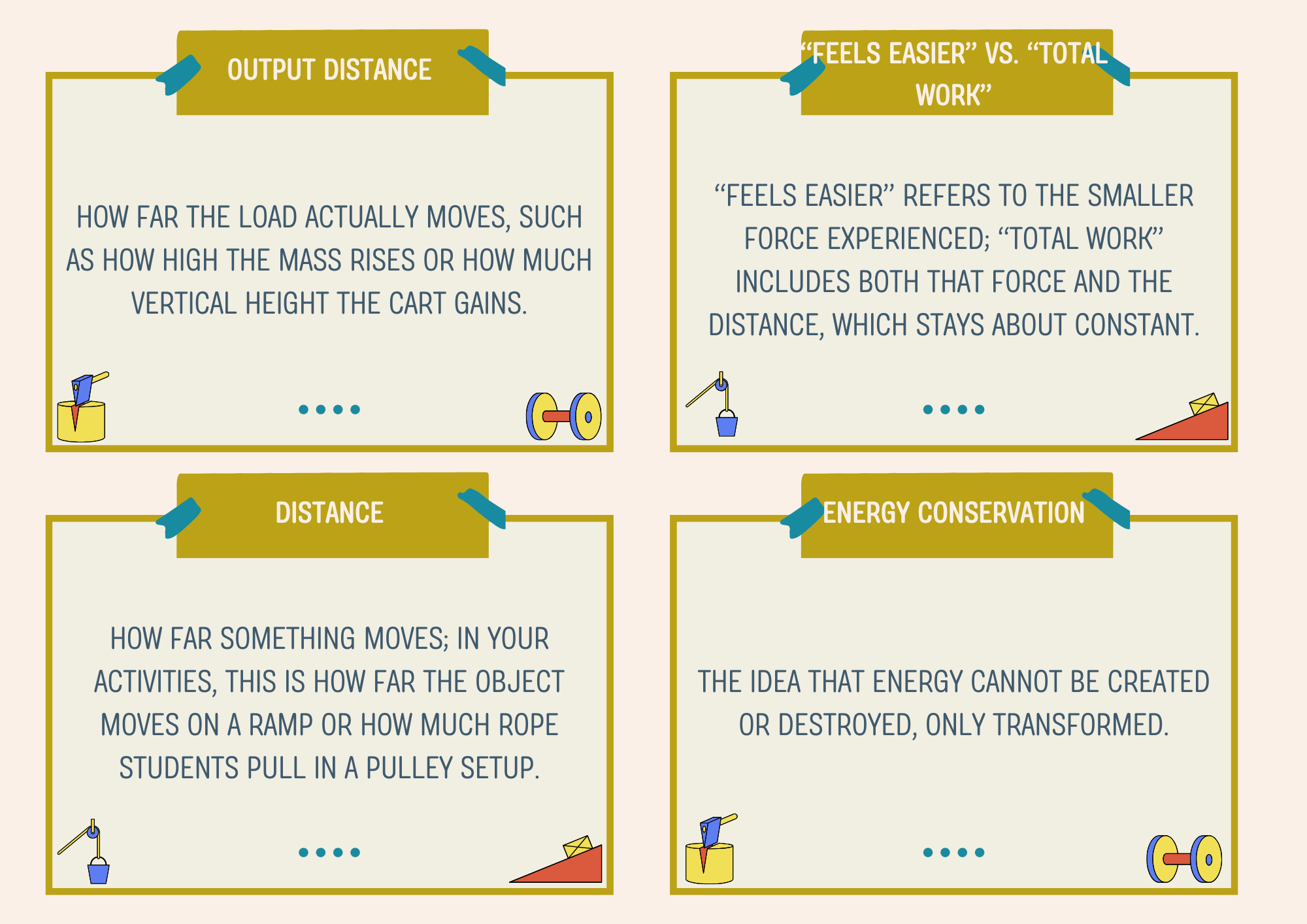
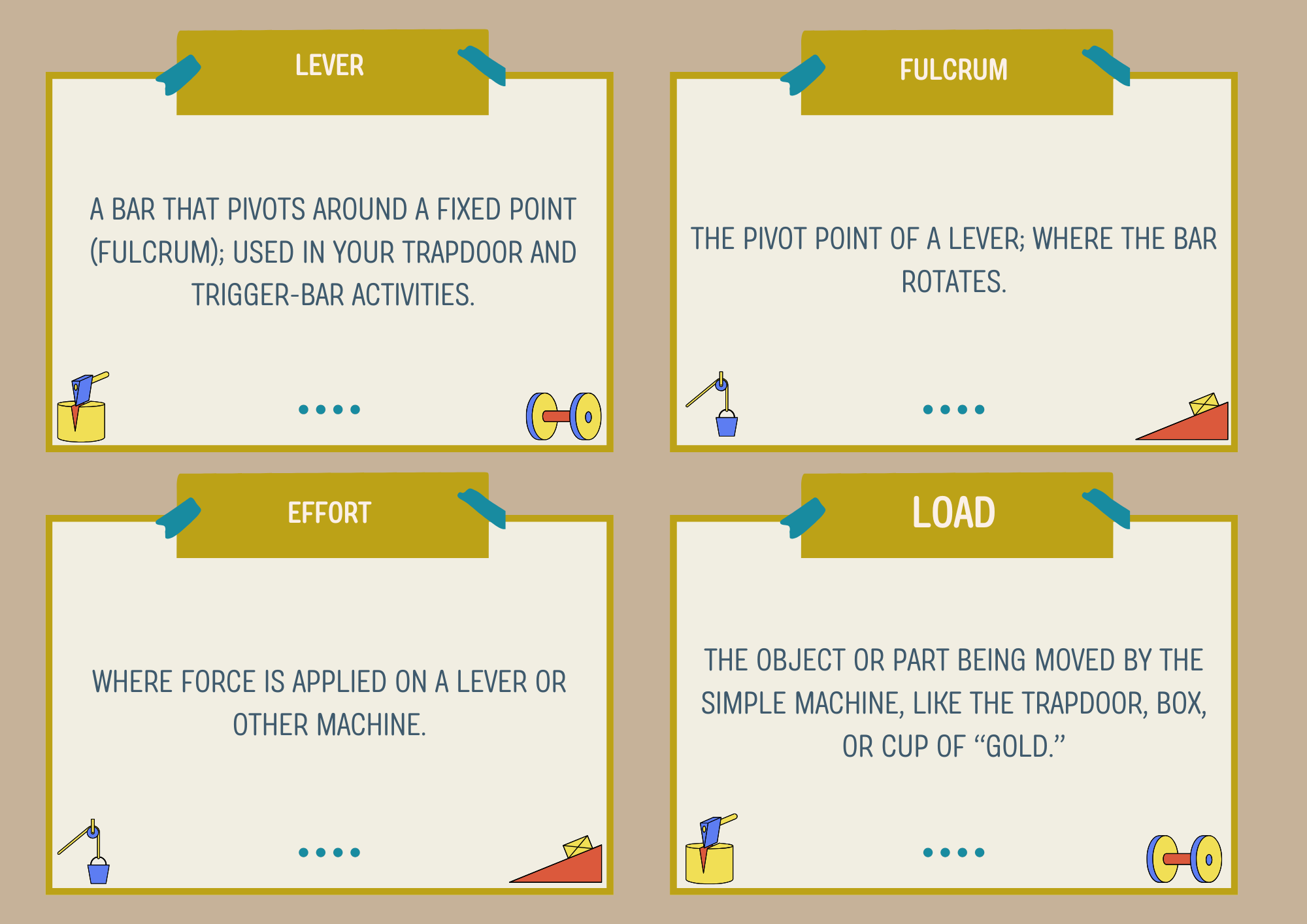
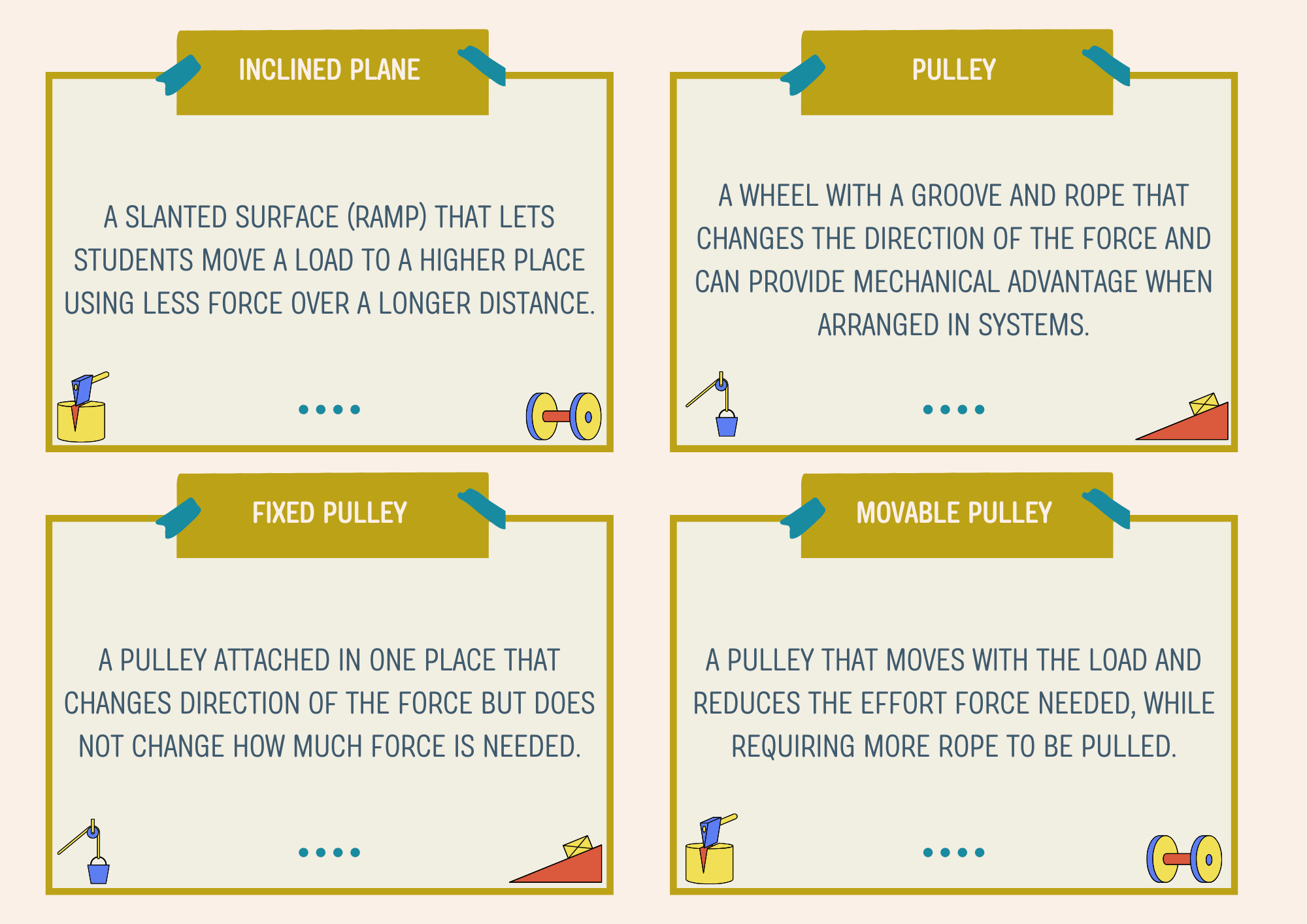
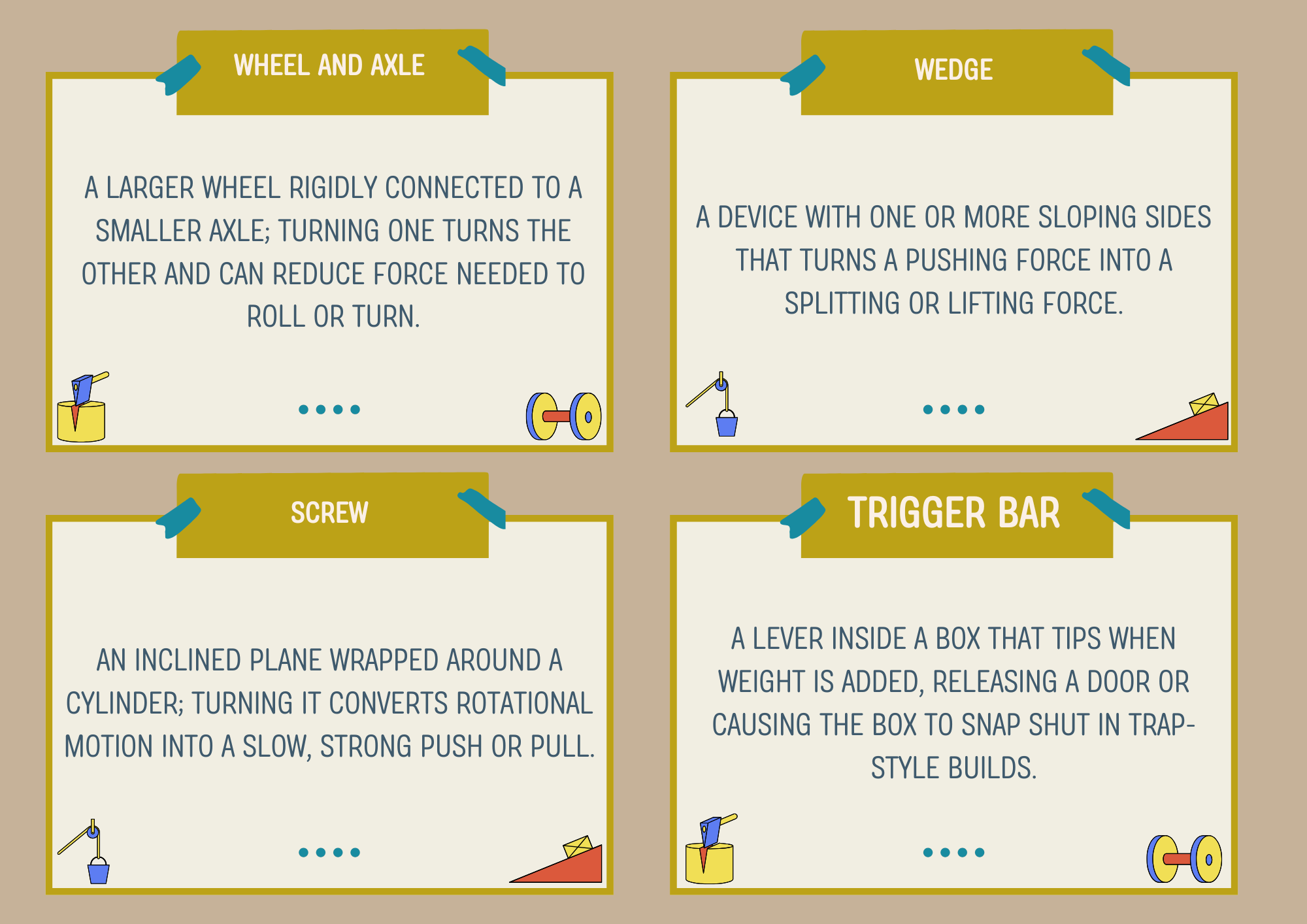
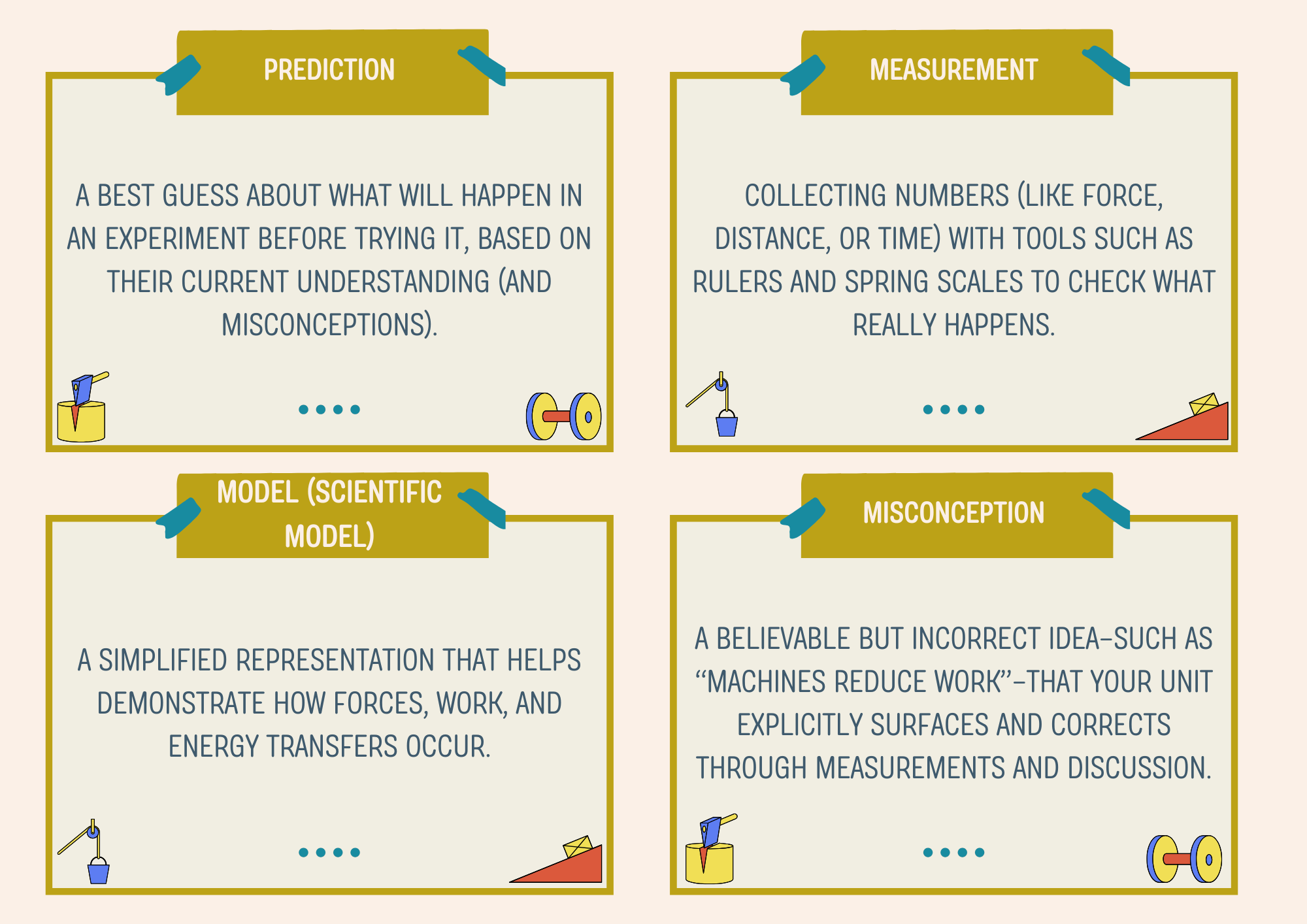
- Vocabulary Cards — A reference for the science and engineering language used throughout the unit.
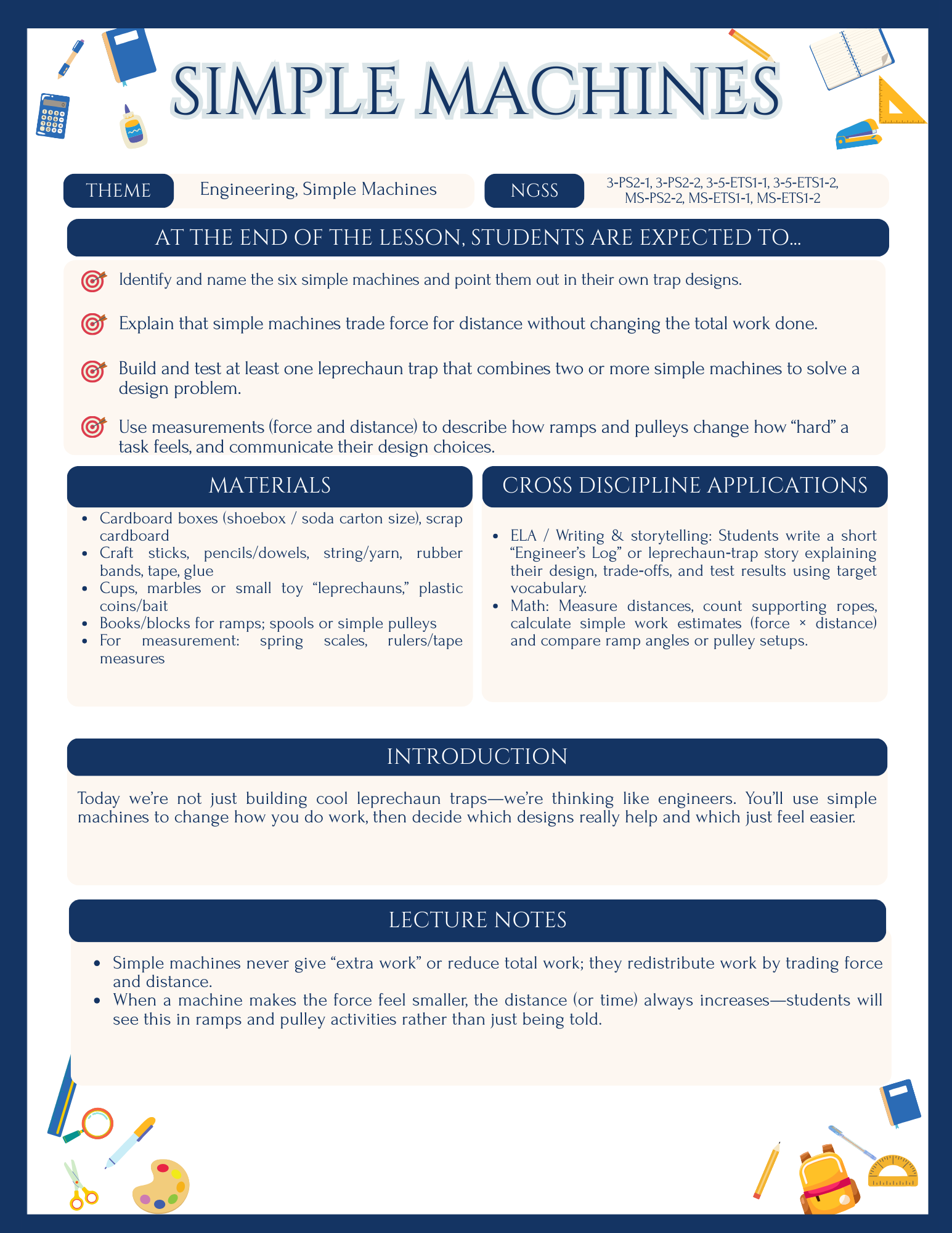
- Quick Lab Lesson Plan — Learning goals, materials, an introduction, suggested readings, activity directions, and age-appropriate recording options.
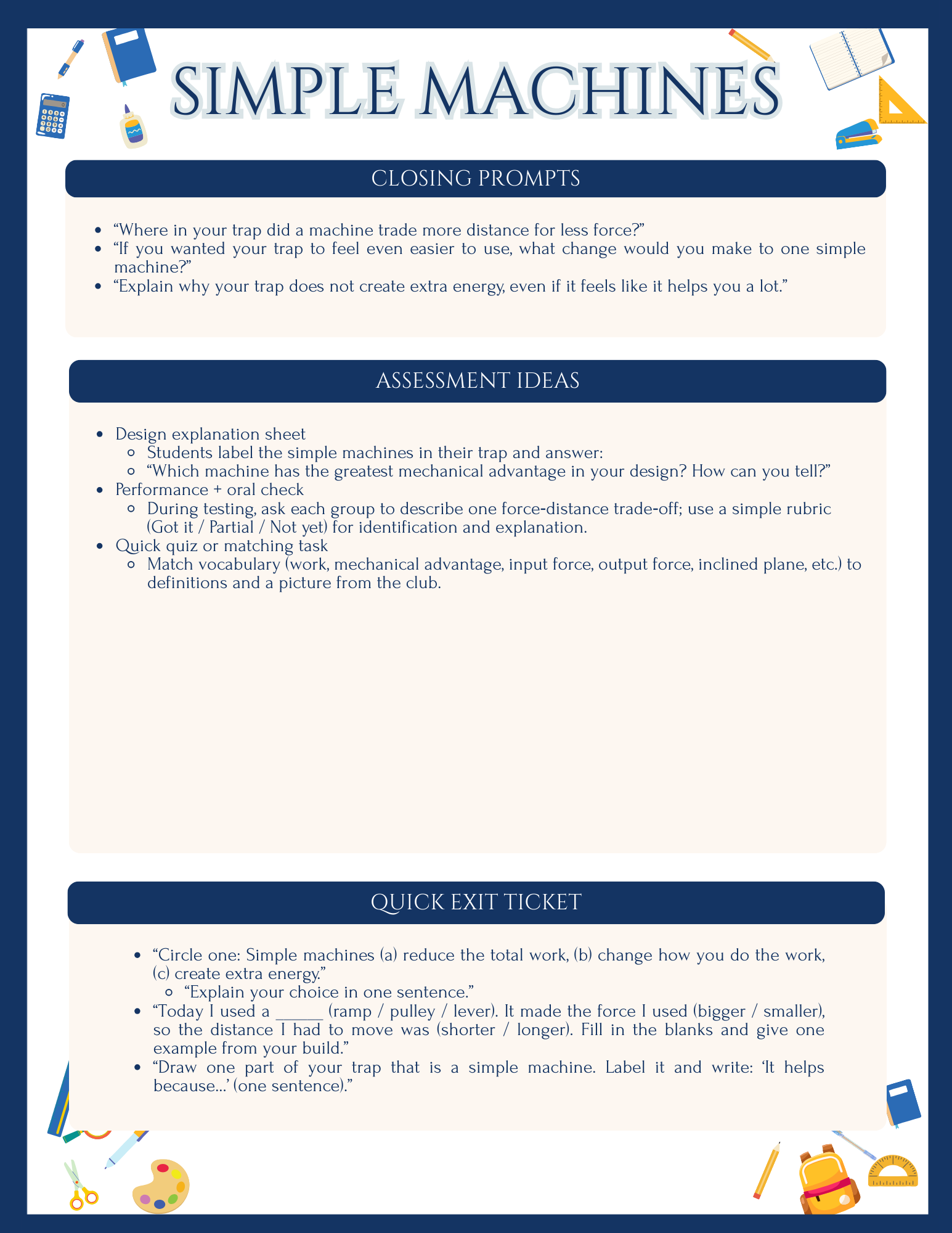
- Educator Support — Student journal prompts, troubleshooting hints, assessment ideas, cross-disciplinary extensions, and Science Shorts with historical examples.
Two Connected Hands-On Activities
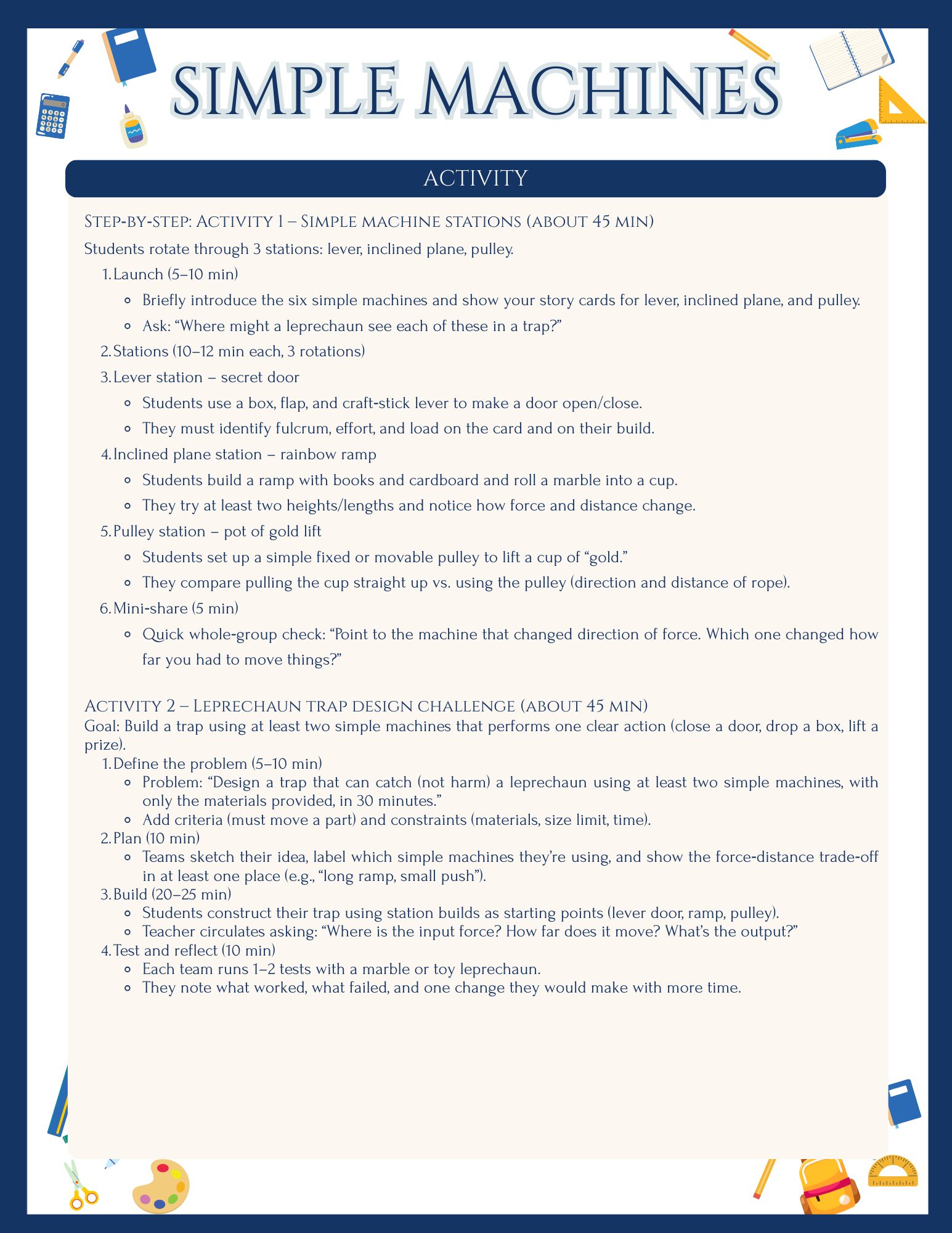
Activity 1: Simple Machine Stations
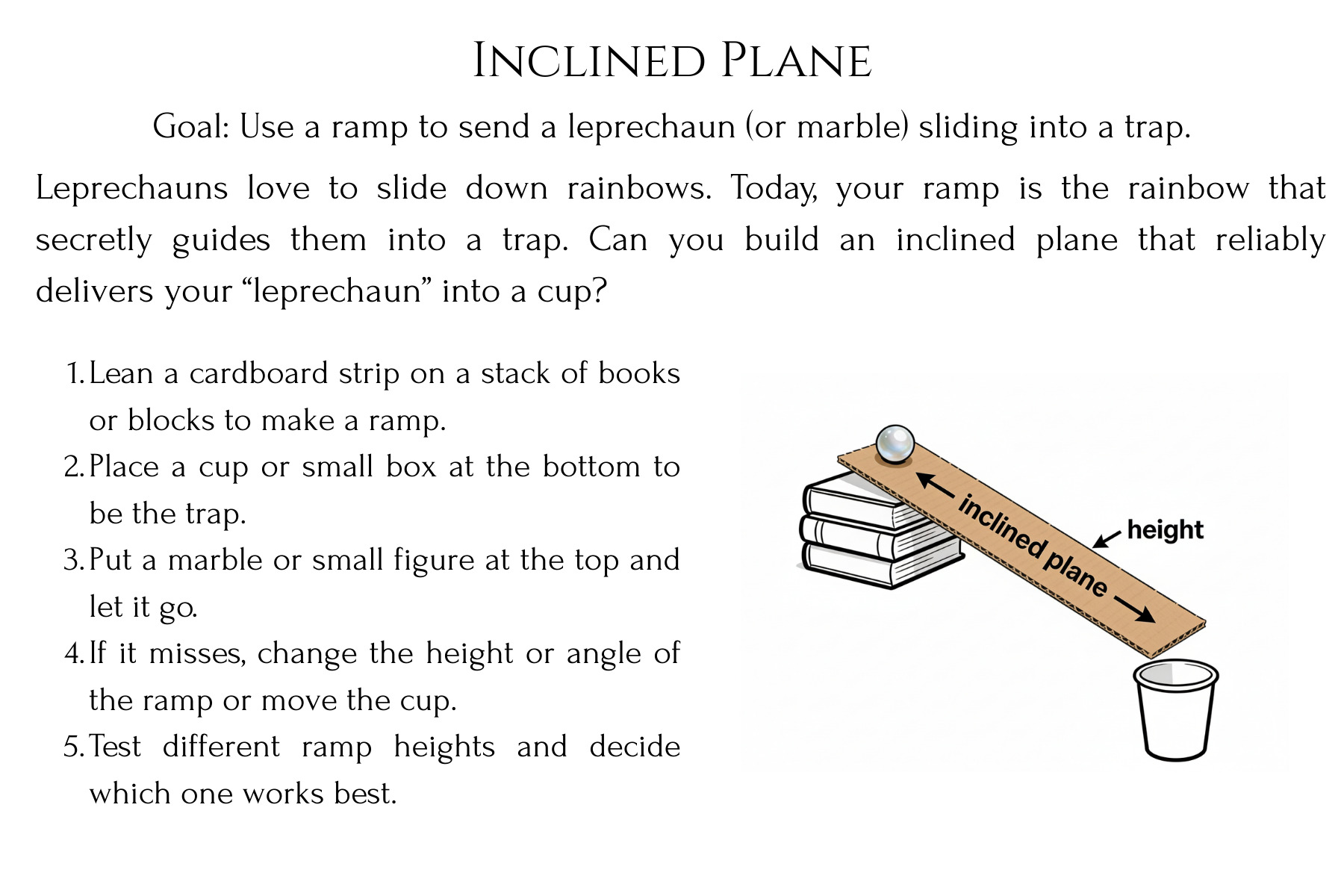
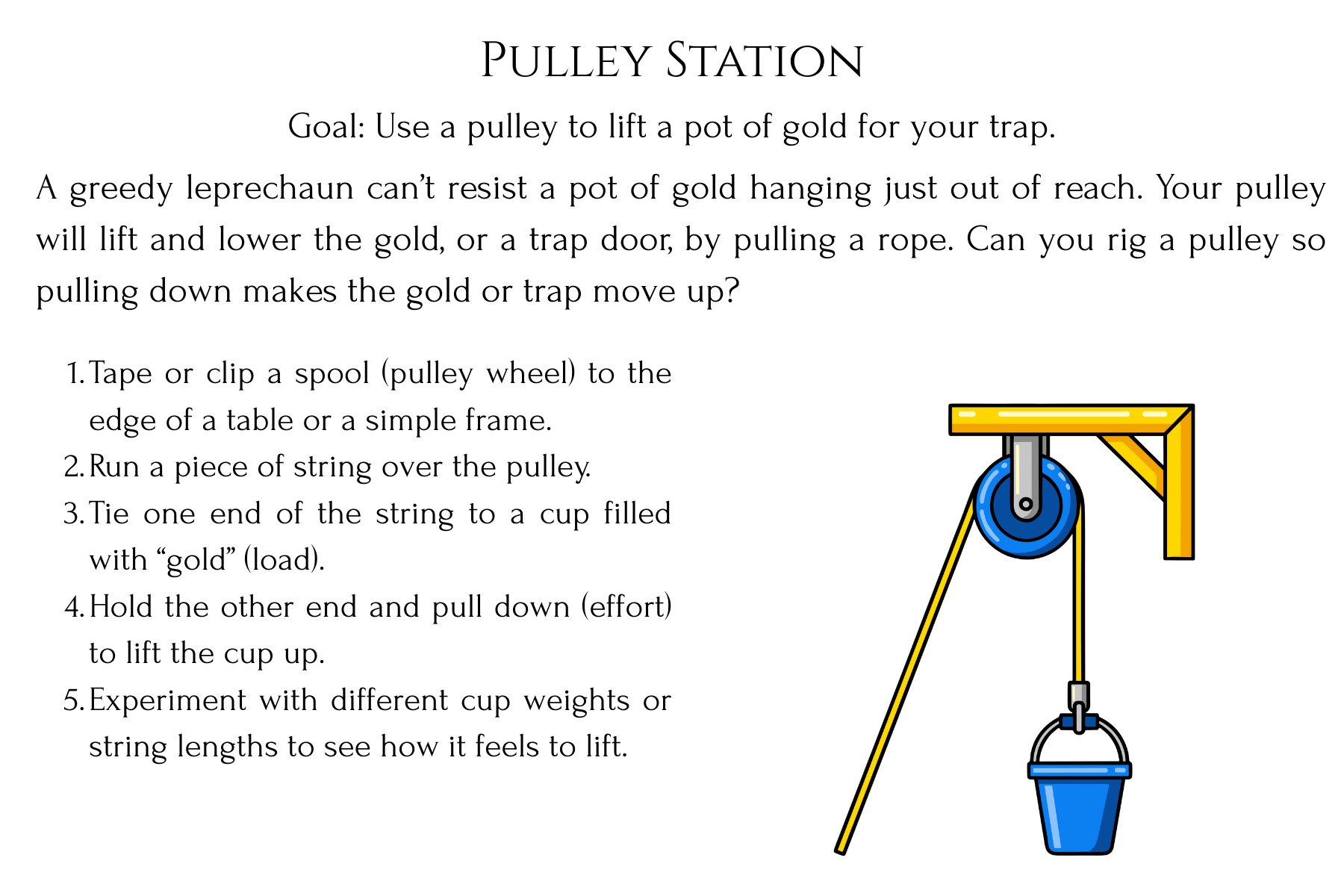
Learners build and test a lever-operated flap, a ramp that guides an object into a target, and a pulley that lifts a load. They identify key components, observe movement, and record adjustments that improve performance.
Activity 2: Engineering Design Challenge
Learners reuse or modify their station builds to create a device that combines two simple machines. They plan, build, test, and improve a mechanism that closes a door, captures a test object, or lifts a load.
More Than a Building Activity
The unit encourages learners to explain what each machine changes—not just show that it moves. Observations, journal prompts, and optional measurements connect their designs to force, distance, work, and real-world engineering choices.
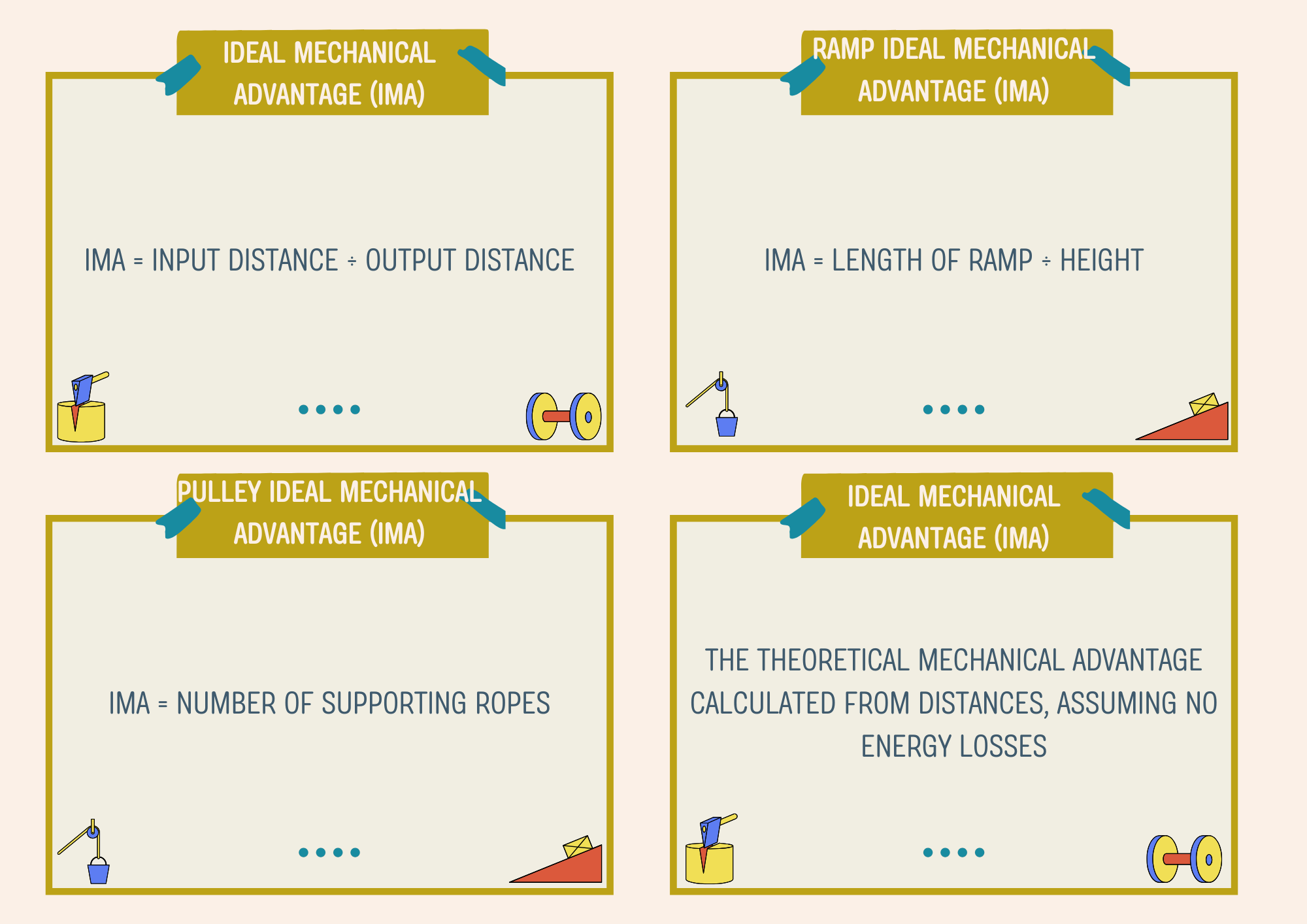
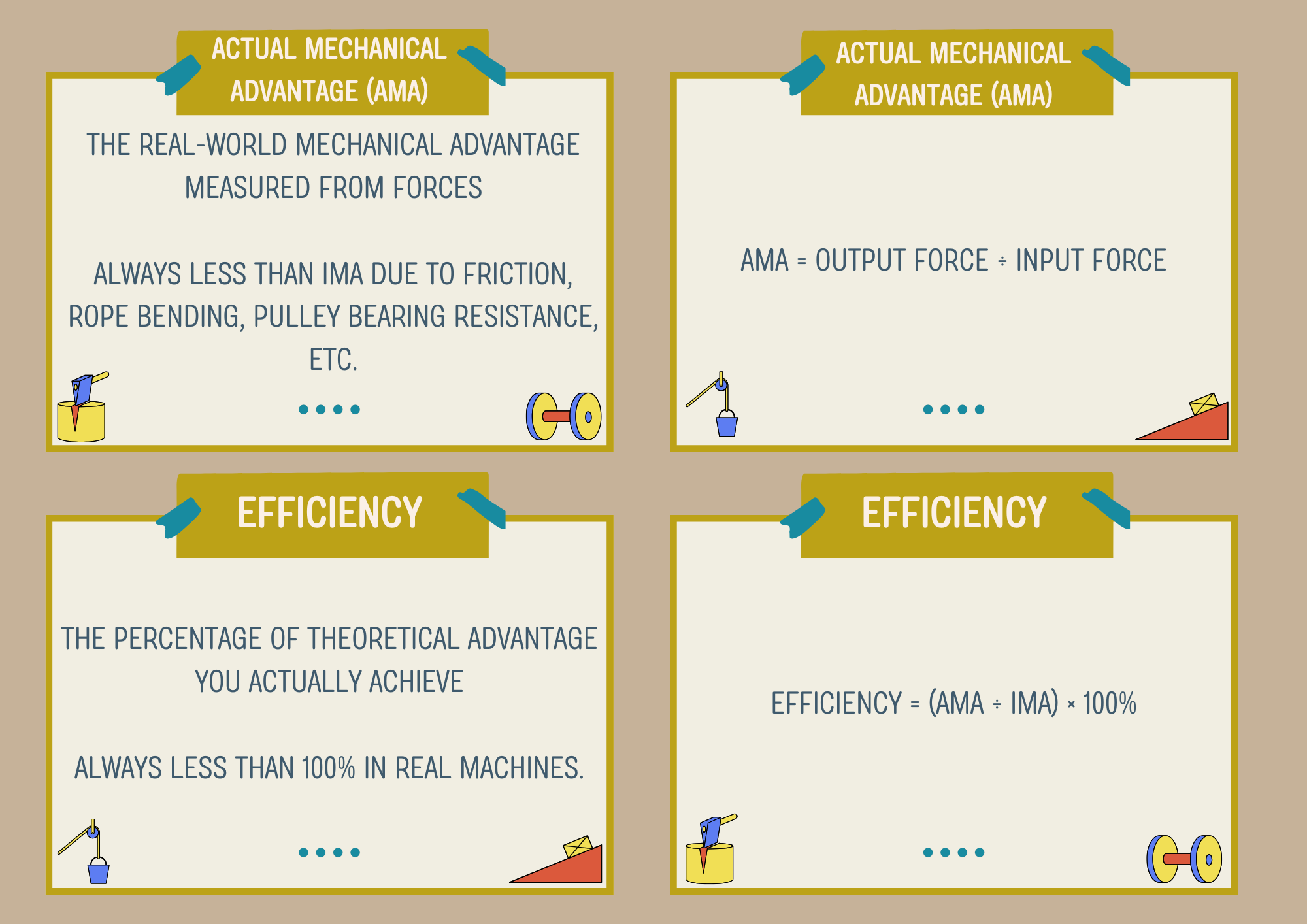
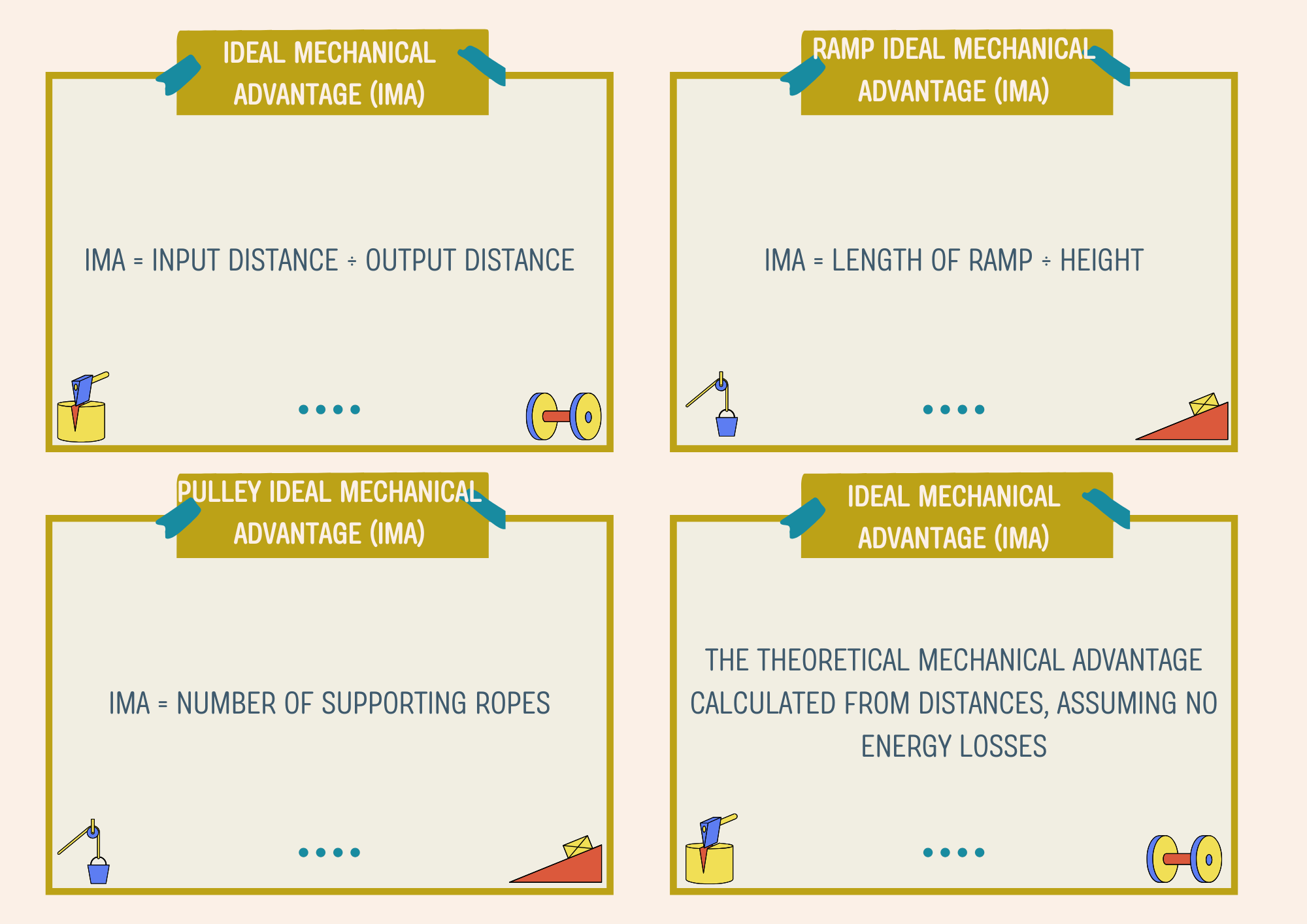
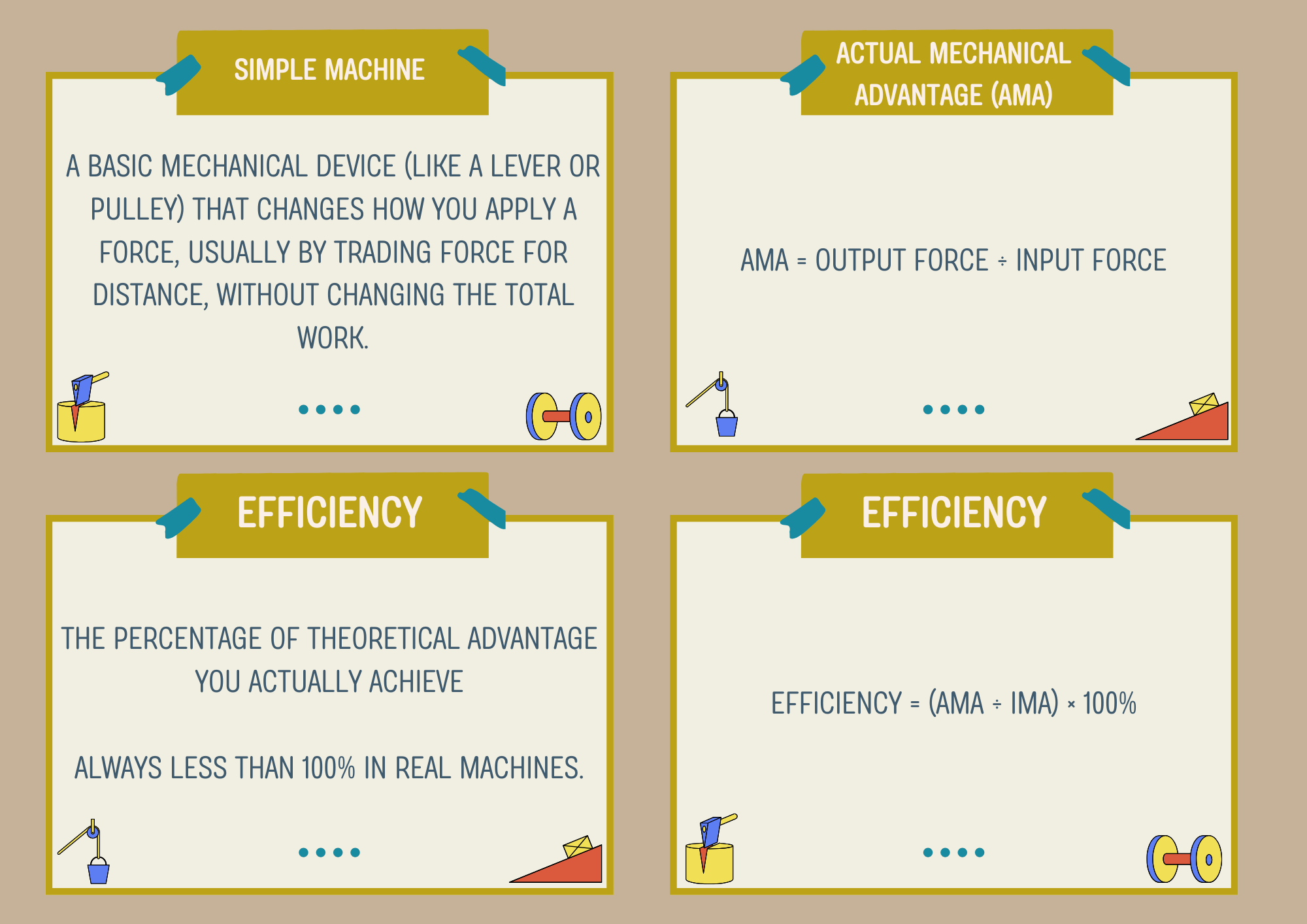
Younger learners can draw, label, and describe their results. Older learners can use force and distance measurements to explore mechanical advantage and efficiency.
Flexible for Your Learning Setting
Use the activities across several homeschool sessions, as a small-group mini unit, or during a science club workshop. The two core activities take approximately 95 minutes, with additional time for discussion, transitions, and cleanup.
Most builds use cardboard and common craft materials. Spring scales and measuring tools support the optional quantitative investigations.
This is the Quick Lab edition, designed for a streamlined teaching experience. Refer to the materials list before beginning; building supplies are not included.



Reviews
There are no reviews yet.